
Introduction
For most homeowners in the United States, vacuuming an inground pool is a simple way to remove dirt, leaves, sand, and fine debris that a skimmer cannot catch. The basic process is to connect a pool vacuum head to a telescoping pole and hose, prime the hose with water, then move the vacuum slowly across the pool floor.
Before you begin, check your pool’s pump, filter, and valve setup. Some pools vacuum through the filter. Others let you vacuum to Waste, which sends dirty water out of the system. The correct setting depends on your equipment and the type of debris in the pool.

What You Need to Vacuum an Inground Pool
Gather the right tools before you start. Stopping halfway through the job can let air enter the suction line or stir up debris.
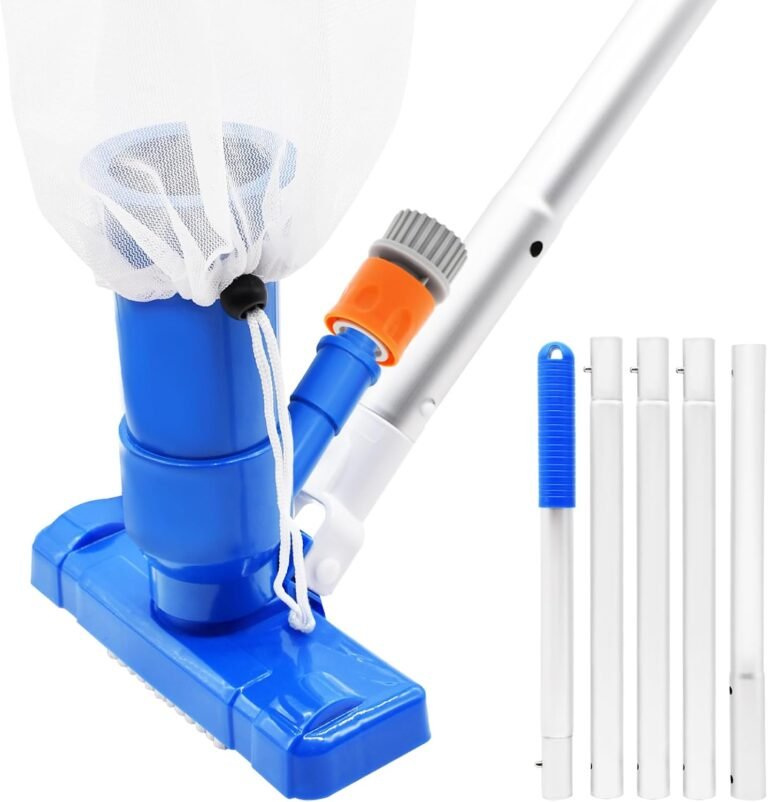
You will usually need:
- A pool vacuum head
- A telescoping pool pole
- A vacuum hose long enough to reach the farthest point of the pool
- A skimmer vacuum plate, also called a suction plate
- A clean or recently backwashed filter
- A pool brush, if debris is stuck to the floor or walls
- A water test kit or digital water tester
- A garden hose, if you use a manual water-powered vacuum
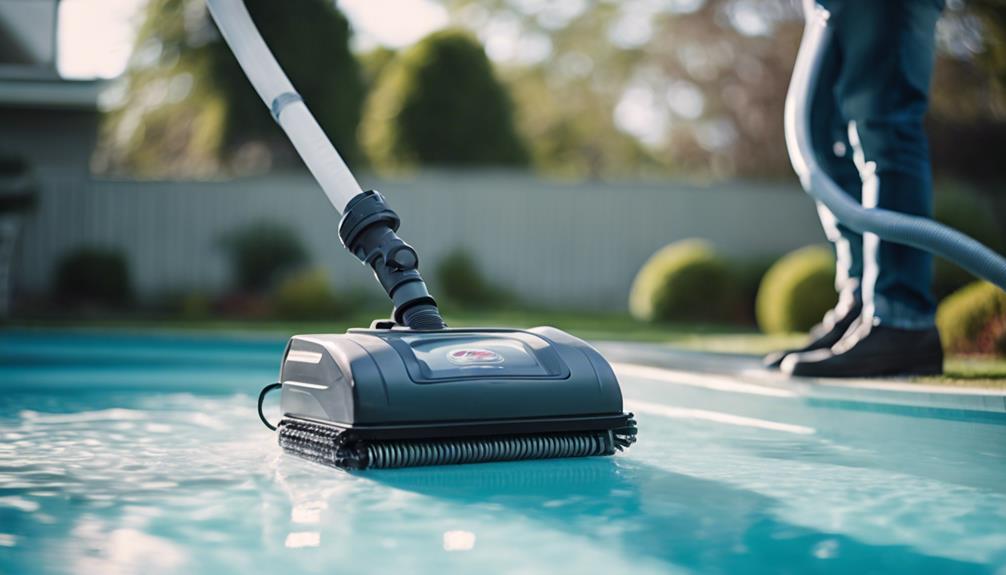
Most inground pools use a manual suction-side vacuum. The vacuum head connects to the pole. The hose connects to the vacuum head and then to the skimmer through a skimmer plate or directly into the suction port.
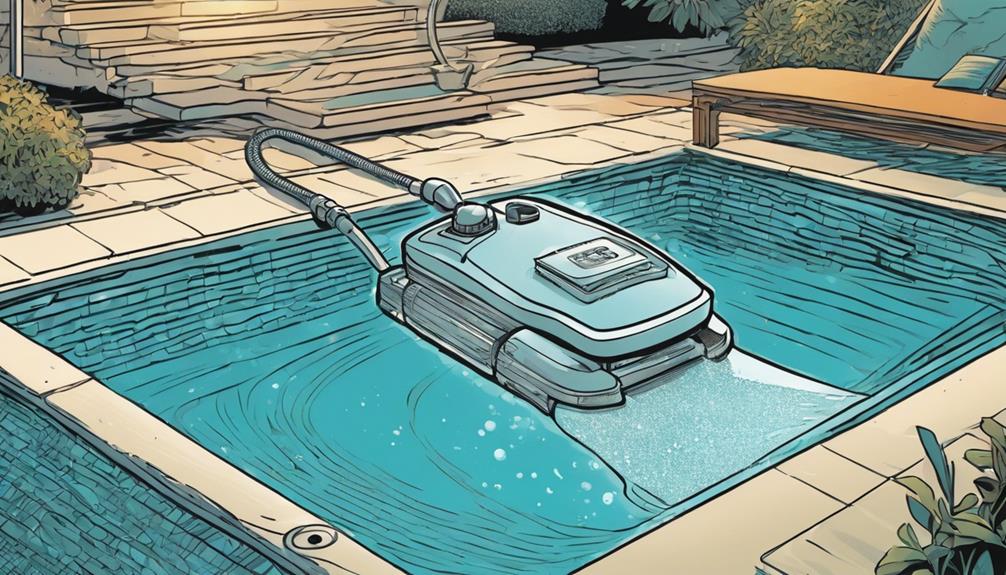
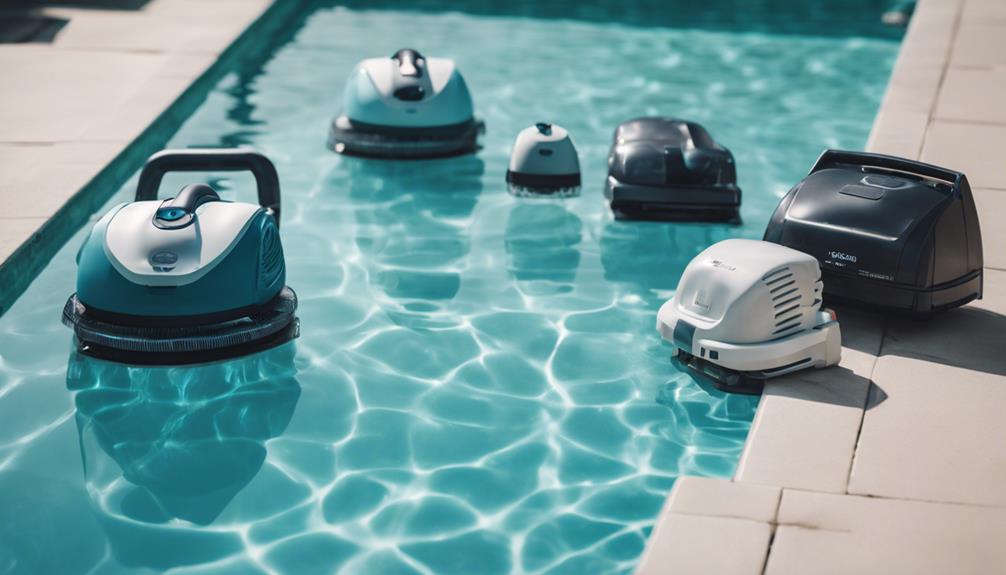
A robotic pool cleaner works in a different way. It has its own motor and filter bag, so you do not connect it to the pool’s suction system. This guide focuses on a manual vacuum connected to the pool pump.
Check the pool equipment first
Look at the following items:
- Pool water level: The water should be near the middle of the skimmer opening. A low water level can pull air into the pump.
- Pump basket: Remove leaves and large debris from the basket.
- Skimmer basket: Empty the basket before vacuuming.
- Filter pressure: Check the pressure gauge against its normal clean pressure.
- Valves: Confirm which valve controls the skimmer and main drain.
- Filter type: Identify whether you have a sand, cartridge, or diatomaceous earth filter.
The equipment layout differs by pool. If a valve label is unclear, use the owner’s manual or ask a qualified pool professional before changing it.

How to Vacuum an Inground Pool Step by Step
The safest method is to remove large debris first, prime the hose fully, and then vacuum at a slow and steady pace.
1. Remove large debris
Use a leaf net to remove sticks, leaves, toys, and other large items from the surface and bottom of the pool. Large debris can clog the vacuum head, skimmer basket, or pump basket.
If algae or dirt is stuck to the pool floor, brush it gently toward the main drain or an open area. Do not stir up the whole pool before vacuuming. Cloudy water makes it harder to see where you have cleaned.
2. Assemble the vacuum
Connect the vacuum head to the telescoping pole. Attach one end of the vacuum hose to the vacuum head.
Keep the vacuum head on the pool deck for now. Do not let the hose fill with air after you connect it to the pool system.
3. Fill the hose with water
The hose must be full of water before it connects to the skimmer. Air in the hose can cause the pump to lose its prime.
There are two common methods:
Method A: Use a return jet
- Turn on the pump.
- Hold the open end of the hose in front of a return jet.
- Let water flow through the hose until bubbles stop coming from the vacuum head.
- Keep the hose underwater while moving it to the skimmer.
Method B: Submerge the hose
- Lower the vacuum head into the pool.
- Feed the hose into the water one section at a time.
- Let water fill the hose from end to end.
- Keep the open end underwater when you connect it to the skimmer.
Never lift a water-filled hose above the water for longer than needed. Air may enter the line.
4. Connect the hose to the skimmer
With the pump running, connect the hose to the skimmer suction port. Depending on your pool, you may connect it:
- Directly to the suction opening in the bottom of the skimmer
- To a skimmer vacuum plate placed over the skimmer basket
- To a dedicated vacuum port on the pool wall
A skimmer vacuum plate is often easier to use because you do not need to remove the skimmer basket. Follow the plate manufacturer’s instructions.
If your system has more than one suction line, adjust the valves so the vacuum receives enough suction. Do not fully close every other suction line unless your equipment manual allows it. The pump should not run without adequate water flow.
5. Set the filter valve
The correct valve setting depends on the amount and type of debris.
| Pool condition | Common setting | What happens |
|---|---|---|
| Light dirt or routine cleaning | Filter | Water passes through the filter and returns to the pool |
| Heavy dirt or fine algae | Waste, if available | Dirty water leaves the pool instead of passing through the filter |
| Backwashing a sand or DE filter | Backwash | Water flows backward through the filter to clean it |
| Rinsing after backwash | Rinse | Water settles the filter bed before normal filtration |
Valve names and layouts vary. Use the settings listed in your filter manual. Never move a multiport valve while the pump is running. Turn off the pump first, move the valve, then restart the pump.
If you vacuum to Waste, watch the pool water level. You may need to add fresh water during or after cleaning.
6. Lower the vacuum head slowly
Place the vacuum head on the pool floor. Lower it slowly so it does not stir up the dirt.
Start at the shallow end and work toward the deep end. Move the head in overlapping lines, much like mowing a lawn. Keep the head flat against the surface.
Vacuum slowly. Fast movements push debris into the water instead of collecting it. A slow pace also helps the filter capture fine particles.
7. Clean the steps, corners, and walls
Use short, careful passes around:
- Pool steps
- Ledges
- Corners
- The area around the main drain
- The base of the pool walls
Most manual vacuum heads are designed mainly for floors. If the head will not stay on a vertical wall, use a pool brush or a wall-rated cleaning tool instead.
8. Turn off the pump and disconnect the equipment
When the pool floor is clean:
- Turn off the pump.
- Remove the hose from the skimmer or vacuum port.
- Remove the vacuum head from the pool.
- Empty the skimmer and pump baskets.
- Return the valve to its normal operating position.
- Restart the pump if needed.
- Rinse and store the vacuum hose and head out of direct sunlight.
If you vacuumed to Waste, refill the pool to the normal level before running the pump for a long period.
Should You Vacuum a Pool on Filter or Waste?
Use Filter for normal dirt and small amounts of debris. Use Waste when the pool contains heavy sediment, a large amount of dead algae, or material you do not want pushed through the filter.
Vacuuming on Filter
The Filter setting sends water through the pool filter and back into the pool. This saves water and works well for routine cleaning.
It may not be the best choice when:
- The pool has a thick layer of algae
- The floor has a large amount of fine silt
- The filter pressure rises quickly
- The filter is already dirty
- The debris could clog a cartridge or DE filter
Watch the filter pressure while vacuuming. If pressure rises well above the normal clean-filter reading, stop the pump and clean the filter according to its manual.
Vacuuming on Waste
The Waste setting bypasses the filter and sends water out of the pool through the waste line. This can keep heavy debris from entering the filter.
Waste removes pool water, so it has two costs:
- The pool water level can fall below the skimmer opening.
- The pool may need fresh water and chemical adjustment afterward.
Do not vacuum to Waste if the water level is already low. Also check local rules before discharging pool water. Some U.S. cities, counties, and water districts restrict where chlorinated water may be released.
How to Vacuum an Inground Pool Without Losing Suction
Poor suction usually comes from air in the hose, a clogged basket, a dirty filter, or an incorrect valve position.
Use this check:
- Confirm that the pump is running.
- Check that the water level covers the skimmer opening.
- Empty the skimmer and pump baskets.
- Fill the entire vacuum hose with water.
- Check the hose for cracks or loose connections.
- Make sure the vacuum head is not blocked.
- Confirm that the skimmer valve is open.
- Clean or backwash the filter if pressure is high.
- Check the pump lid and lid O-ring for air leaks.
- Stop if the pump loses prime or begins pulling air.
A few air bubbles may appear when you first connect the vacuum. Continuous bubbles from the return jets, a noisy pump, or a pump basket that will not stay full can indicate an air leak or low water flow.
Do not let the pump run dry. If the pump loses prime, turn it off and correct the cause before restarting it. Persistent priming problems may need professional service.

How Often Should You Vacuum an Inground Pool?
Most residential pools need vacuuming when debris collects on the floor or when brushing does not move dirt toward the drain. A pool surrounded by trees may need cleaning several times each week during leaf season. A screened pool may need much less manual vacuuming.
Vacuuming frequency also depends on:
- Wind and storms
- Nearby trees and landscaping
- Number of swimmers
- Pool cover use
- Algae growth
- Filter performance
- Whether a robotic cleaner runs regularly
Do not use a calendar alone. Look at the pool floor. If dirt is visible, vacuum it before it spreads or becomes harder to remove.
Regular skimming, brushing, and proper filtration reduce the need for long vacuum sessions. Test and balance the water after cleaning, especially if you removed a large amount of water or vacuumed to Waste.

What to Do If the Pool Is Cloudy After Vacuuming
Cloudy water after vacuuming often means fine particles were stirred up or passed through the filter. It can also point to poor filtration or an active water-balance problem.
Take these steps:
- Stop adding chemicals until you test the water, unless a product label gives a specific emergency instruction.
- Check free chlorine, pH, and total alkalinity with a reliable test kit.
- Run the filter according to the equipment manual.
- Clean the filter if pressure is high.
- Brush lightly if residue remains on the floor.
- Vacuum again when the debris settles.
- Use Waste only if your equipment supports it and the pool can safely lose water.
The CDC Model Aquatic Health Code provides public-pool guidance, while residential pool owners should also follow local rules and product labels. A cloudy pool can have several causes, including algae, poor circulation, excess debris, or incorrect water balance.
Do not swim if visibility is poor enough that you cannot clearly see the pool bottom or safety features. If the water stays cloudy after proper filtration and testing, contact a qualified pool service professional.

Common Pool Vacuuming Mistakes
Avoid these common errors:
Moving the vacuum too fast
Fast passes lift dirt into the water. Use slow, overlapping strokes.
Connecting a hose full of air
Air can make the pump lose prime. Fill the hose completely before connecting it.
Vacuuming with a dirty filter
A clogged filter reduces water flow and may raise system pressure. Clean the filter first when its pressure is above the normal range.
Running the pump with low water
The skimmer can draw air when the water level is too low. Add water before vacuuming.
Moving the multiport valve while the pump runs
This can damage the valve. Always shut off the pump before changing valve positions.
Vacuuming large debris through the skimmer
Leaves and twigs can block the hose or baskets. Remove them with a leaf net first.
Ignoring water loss
Vacuuming to Waste can remove a large volume of water. Watch the level and refill the pool as needed.
Adding chemicals without testing
More chemicals do not always solve cloudy water. Test first and follow the product label.

Manual Vacuum vs. Robotic Pool Cleaner
A manual vacuum gives you direct control over where you clean. It can work well for spot cleaning, heavy debris, or pools with simple equipment.
A robotic cleaner has its own motor and filter. It does not depend on the pool pump for suction, and many models can clean the floor, walls, or waterline. However, performance depends on the specific model, pool shape, surface, and debris type.
Choose a manual vacuum when you need:
- Low equipment cost
- Direct control
- Fast spot cleaning
- A tool for heavy debris
Consider a robotic cleaner when you want:
- Less hands-on work
- Frequent automatic cleaning
- Cleaning without running the main pump
- A separate filter basket for debris
Neither method removes the need for water testing, proper circulation, and safe chemical handling.
Pool Vacuum Safety Tips
Keep people and pets out of the pool while you connect or adjust vacuum equipment. Wet decks are slippery, and loose hoses can create a trip hazard.
Follow these rules:
- Keep electrical devices away from the pool edge.
- Do not swim during equipment changes.
- Keep chemical containers closed and dry.
- Never mix pool chemicals.
- Follow the label for every chemical product.
- Do not use damaged hoses, cords, or fittings.
- Stop the pump before moving a multiport valve.
- Keep children away from open skimmer lids and equipment areas.
- Follow the pool and filter manufacturer’s instructions.
The CDC’s pool safety guidance emphasizes safe swimming practices, clean water, and proper maintenance. For electrical work, suction problems, damaged plumbing, or equipment that repeatedly loses prime, use a qualified pool professional.

Frequently Asked Questions
Can I vacuum an inground pool with the pump off?
No. A standard suction-side manual vacuum needs the pump to create suction. Keep the pump running during vacuuming, but turn it off before changing a multiport valve position or disconnecting equipment.
Do I remove the skimmer basket when vacuuming?
It depends on the connection method. If you use a skimmer vacuum plate, the basket often stays in place. If the hose connects directly to the suction port, the basket may need to be removed. Follow your skimmer and vacuum instructions.
Why does my pool vacuum float?
The vacuum head may contain air, the hose may not be fully filled, or the head may not have enough suction. Submerge the head, purge air from the hose, and check for hose leaks or blocked connections.
Can I vacuum algae from the bottom of the pool?
Yes, but heavy algae is often best vacuumed to Waste if the system has that setting. Brush the pool first only when appropriate for the surface and treatment plan. Test the water and follow the chemical product label.
How long should I run the pump after vacuuming?
Run it long enough to filter the water and restore normal circulation. The exact time depends on pool size, filter condition, water clarity, and the manufacturer’s guidance. Check the filter pressure rather than relying on a fixed number of hours.
Conclusion
To vacuum an inground pool, remove large debris, connect the vacuum head and hose, fill the hose with water, choose Filter or Waste, and move the vacuum slowly across the floor. Check suction, water level, baskets, and filter pressure during the job.
Use Filter for routine dirt and Waste for heavy sediment when your equipment supports it. After cleaning, restore the valve setting, refill lost water, test the water, and keep the pump and filter working normally.
One Comment