
Choose a quiet vacuum by comparing its decibel rating, motor design, floor performance, and user comfort.
Learning how to choose a quiet vacuum can make cleaning far less stressful. The right model should remove dust and pet hair without sounding like a jet engine in your living room. This guide explains noise ratings, vacuum types, suction power, filtration, features, and common buying mistakes so you can shop with confidence.
What Makes a Vacuum Quiet?
A quiet vacuum is designed to reduce the sound made by its motor, airflow, brush roll, and exhaust. Most vacuum noise comes from fast-moving air and vibration. A well-built machine controls both with insulation, balanced parts, and a sealed airflow path.
When learning how to choose a quiet vacuum, do not judge noise by the motor alone. A soft motor can still sound loud if air whistles through a narrow hose or if the brush roll rattles on hard floors.
Key factors that affect vacuum noise include:
• Motor size and design
• Airflow speed
• Fan shape
• Brush roll movement
• Vibration control
• Noise insulation
• Exhaust design
• Contact with the floor
A vacuum may also sound different on carpet than on tile. Carpet can soften some noise, while hard floors may make rattles and brush sounds more noticeable.

Understand Decibel Ratings
Decibels, written as dB, measure sound level. A lower number usually means a quieter vacuum. However, vacuum brands may test noise in different ways, so decibel ratings are useful but not perfect.
For general guidance:
• Below 60 dB is very quiet for a vacuum
• Around 60 to 65 dB is quiet for normal home use
• Around 66 to 70 dB is moderate
• Above 70 dB may feel loud in a small room
A difference of 3 dB represents a measurable change in sound energy. A difference of 10 dB is often heard as roughly twice as loud by many people, although personal perception varies.
This is why how to choose a quiet vacuum involves more than finding the lowest number on a product page. Check whether the rating was measured at the motor, at the floor head, or from a set distance. Also look for independent reviews that describe the sound in real rooms.
A quiet vacuum should have a smooth sound, not only a low sound level. A steady hum is often easier to tolerate than a sharp whine or a repeated rattle.

Choose the Right Vacuum Type
The design of a vacuum has a major effect on its noise, weight, and cleaning power. Each type has strengths and limits.
Canister vacuums
Canister vacuums often offer strong cleaning power and flexible floor tools. The motor sits inside a separate body, which can reduce the noise near your hand and face.
Many canister models are good for homes with hard floors, stairs, rugs, and furniture. The hose also lets you clean without pushing a heavy motor across the floor.
Upright vacuums
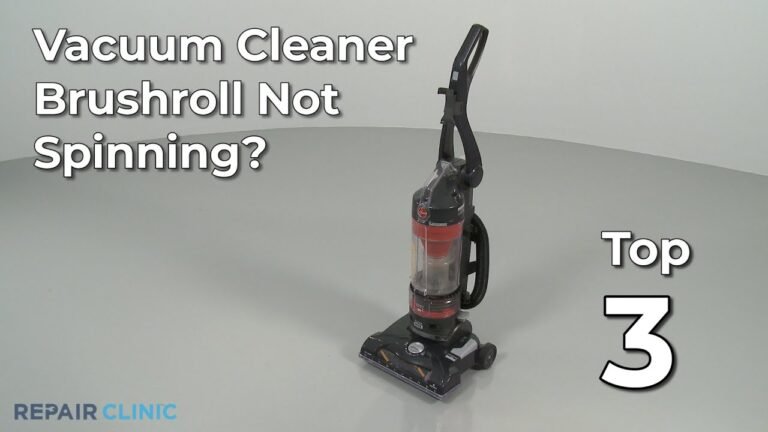
Upright vacuums are useful for large carpeted areas. They often have strong brush rolls and wide cleaning heads, but these parts may create more noise.
Look for an upright with motor insulation, a rubberized brush roll, and a floor setting that lets you turn off the brush on hard floors.
Stick vacuums
Stick vacuums are light and easy to store. Some are surprisingly quiet on low power, but their highest setting can be loud.
A quiet stick vacuum can work well for quick cleaning, apartments, and small homes. Check its battery life at the power level you plan to use most.
Robot vacuums
Robot vacuums usually make less noise than full-size models because they use smaller motors. They are useful for daily dust control, especially when set to clean while you are away.
Their limits include smaller dust bins, less deep carpet cleaning, and noise from wheels or brushes on hard floors.
Central vacuum systems
Central vacuums place the main motor in a garage, basement, or utility area. This can make the cleaning head and hose sound much quieter inside the home.
Installation costs more and requires ductwork. Still, it can be a strong choice for people who clean often or have high sensitivity to sound.
When deciding how to choose a quiet vacuum, match the vacuum type to your home first. A very quiet vacuum that cannot clean your floors well will become frustrating over time.

Match Suction Power to Your Floors
Quiet does not always mean weak. A good vacuum can clean well with efficient airflow instead of using a loud motor at full speed.
Suction describes the pull created by the vacuum. Airflow describes how much air moves through the system. Both matter, but airflow often plays a major role in moving dirt through the hose and into the dust bin.
Consider your floor mix:
• Hard floors need gentle suction, good edge cleaning, and soft wheels
• Low-pile carpet needs steady airflow and a brush roll that lifts fine dust
• Thick carpet needs height adjustment and a motorized brush
• Pet homes need strong agitation and a sealed filtration system
• Delicate rugs need adjustable suction and brush control
A vacuum with adjustable power can be quieter during light cleaning. You may need higher power for deep carpet, but low power may be enough for crumbs, dust, and bare floors.
One mistake people make when learning how to choose a quiet vacuum is focusing only on wattage. Wattage shows electrical consumption, not cleaning results. A well-designed vacuum can use power more efficiently than a louder model with a larger motor.

Check Filtration and Air Sealing
A quiet vacuum should also protect indoor air. Filtration matters because a vacuum can collect dirt but release fine particles through gaps or poor exhaust filters.
Look for these features:
• A sealed body and hose system
• A genuine HEPA filter when fine-particle control is important
• Washable or replaceable filters
• A dust bag or bin that closes securely
• Clear instructions for filter care
HEPA filters are designed to capture at least 99.97% of particles measuring 0.3 microns under standard test conditions. This does not mean every vacuum labeled “HEPA” performs equally in a home. The entire vacuum must be sealed for the filter to work well.
Bagged vacuums often keep dust contained during disposal. Bagless models can save money on replacement bags, but emptying the bin may release dust into the air.
People with asthma, allergies, or strong dust sensitivity should look for a sealed system and a low-dust emptying process. A quiet vacuum with poor filtration may solve one problem while creating another.

Look for Features That Reduce Noise
Small design details can make a major difference in daily use. When comparing how to choose a quiet vacuum, review the floor head and attachments as carefully as the motor.
Helpful features include:
• Soft rubber wheels that roll smoothly
• A brush roll with balanced bristles
• An on and off switch for the brush roll
• Adjustable suction control
• Thick, flexible hoses
• Rubber seals around joints
• Vibration-dampening motor mounts
• A covered exhaust path
• A full-bin indicator
A brush roll that hits the floor too hard can create a loud tapping sound. On hardwood, turn off the rotating brush if the manufacturer allows it. This can reduce noise and protect delicate flooring.
A long cord or strong battery can also improve comfort. Stopping often to change outlets or recharge can make a cleaning session feel harder than it should.
In hands-on vacuum comparisons, one lesson stands out: the quietest motor does not always produce the most pleasant machine. Smooth wheels, a stable floor head, and a soft hose can matter just as much as the published dB number.

Consider Your Home and Cleaning Routine
Your home determines what “quiet” really means. A model that works well in a large house may be too heavy for a small apartment. A powerful upright may be unnecessary for a home with mostly tile and wood floors.
Ask yourself:
• Do you have pets that shed?
• Do you clean thick carpet?
• Do you live in an apartment with shared walls?
• Do you vacuum while children sleep?
• Do you need to clean stairs?
• Are allergies a concern?
• Will you store the vacuum in a small closet?
For an apartment, choose a compact vacuum with low and high power settings. For a large carpeted home, prioritize floor performance and noise insulation. For stairs, a canister or lightweight stick vacuum may be easier to control than a bulky upright.
If you work from home, consider the time of day you vacuum. A vacuum that is quiet enough for daytime use may still interrupt calls. A robot vacuum can help by cleaning when you are outside the home.
How to choose a quiet vacuum depends on your routine as much as the machine itself. Think about where, when, and how often you clean before comparing product features.

Test a Vacuum Before Buying
Online descriptions can help, but sound is personal. If possible, test a vacuum in a store. Listen to it on both hard flooring and carpet.
Use this simple test:
-
Turn the vacuum on at its lowest useful setting.
-
Stand beside it and listen for a steady hum.
-
Raise the power and check whether the sound becomes sharp or harsh.
-
Move it across hard floors and carpet.
-
Listen for rattles, squeaks, and brush-roll tapping.
-
Check whether the handle transfers vibration to your hand.
-
Try the main attachments.
If you shop online, read reviews that mention sound in specific terms. “Quiet” is less useful than “easy to use while someone watches television” or “the brush roll makes a clicking sound on tile.”
Pay attention to reviews after several months of use. Filters can clog, brush rolls can collect hair, and loose parts can increase noise. A vacuum that is quiet when new may sound different if maintenance is ignored.
A practical mistake to avoid is buying based on a short demonstration video. Microphones change how a vacuum sounds, and background music can hide high-pitched noise.

Compare Maintenance and Long-Term Noise
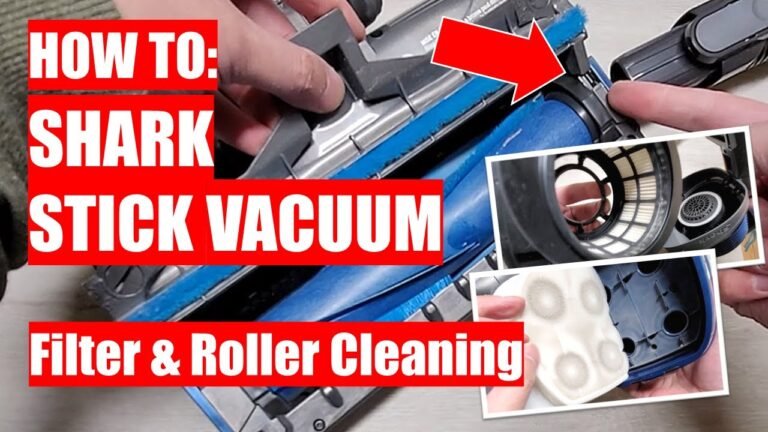
Maintenance affects both cleaning power and sound. A clogged filter forces the motor to work harder. A full dust bin can reduce airflow. Hair wrapped around the brush roll can create vibration and clicking.
Keep a quiet vacuum running smoothly by:
• Emptying the bin before it becomes packed
• Washing filters only when the manual allows it
• Replacing disposable filters on schedule
• Cutting hair from the brush roll
• Checking the hose for blockages
• Inspecting wheels and attachments
• Replacing worn belts or damaged parts
Do not wash a filter that is labeled dry-clean only. Water can damage some filter materials and may cause mold if the filter is used before it dries fully.
The cost of ownership also matters. A low-priced vacuum may need frequent bags, filters, batteries, or brush parts. A slightly more expensive model may be quieter and cheaper to maintain over several years.
When considering how to choose a quiet vacuum, calculate the total cost, not just the price at checkout. Quiet cleaning is more valuable when the machine remains reliable.

Avoid Common Buying Mistakes
Many shoppers make the same errors when searching for a quiet vacuum. Avoiding them can save money and reduce frustration.
Choosing the lowest dB number
A low rating may come from a test performed far from the floor head. It may also ignore brush-roll noise. Use the number as a starting point, not a final decision.
Ignoring floor performance
A vacuum can be quiet because it lacks the airflow needed for deep cleaning. Check independent cleaning tests and reviews for your floor type.
Forgetting the exhaust sound
Some vacuums have a soft motor but a loud air outlet. Listen near the exhaust and check whether the air blows toward your face.
Overlooking weight and handling
A quiet vacuum is not helpful if it is too heavy to carry upstairs. Comfort includes sound, balance, grip, and movement.
Buying a model with no replacement parts
Filters, bags, belts, batteries, and brush rolls wear out. Confirm that replacement parts are easy to find before you buy.
Trusting every marketing claim
Terms such as “silent,” “whisper quiet,” and “low noise” may not have a uniform legal meaning. Look for measurable information and clear testing details.
A Simple Quiet Vacuum Buying Checklist
Use this checklist before making a final choice:
• Compare the published dB rating, if available
• Look for independent sound and cleaning tests
• Match the vacuum to carpet, rugs, or hard floors
• Choose adjustable suction when possible
• Check for sealed filtration
• Confirm the filter type and replacement cost
• Look for brush-roll control
• Test the wheels, hose, and floor head
• Consider weight and storage
• Read long-term reviews
• Check the warranty
• Confirm that parts are available
The best quiet vacuum is not always the most expensive model. It is the one that offers a comfortable sound, suitable cleaning power, good filtration, and manageable upkeep.
Frequently Asked Questions About How to Choose a Quiet Vacuum
What is a good decibel level for a quiet vacuum?
A vacuum below 65 dB is generally considered quiet for home use. Ratings can vary by test method, so also check reviews for comments about pitch, vibration, and brush-roll noise.
Are bagged vacuums quieter than bagless vacuums?
Bagged vacuums can be quieter because the bag may help muffle airflow and contain dust. However, motor design and insulation matter more than the bagged or bagless design alone.
Is a cordless vacuum usually quieter?
Many cordless vacuums are quieter on low power than full-size models. Their highest setting can still be loud, and battery performance may drop as the charge becomes low.
Can a quiet vacuum clean pet hair well?
Yes, if it has suitable airflow, a motorized brush roll, and good hair removal from the brush. A quiet vacuum should also have sealed filtration to manage dander and fine particles.
How can I make my current vacuum quieter?
Clean the filters, remove hair from the brush roll, empty the bin, and check the hose for blockages. If the vacuum rattles, inspect loose wheels, belts, covers, and attachments.
Is a HEPA vacuum always quiet?
No. HEPA describes filtration, not sound level. A vacuum can have a HEPA filter and still be loud if its motor, airflow, or brush roll creates high noise.
Should I choose a robot vacuum for quiet cleaning?
A robot vacuum can be a good choice for light daily cleaning and scheduled use. It may not replace a full-size vacuum for thick carpet, stairs, or deep pet-hair removal.
Conclusion
How to choose a quiet vacuum starts with more than a low sound rating. Compare decibels, motor design, airflow, brush-roll control, filtration, floor performance, weight, and maintenance needs.
Choose a model that fits your home and your ears. Test it when possible, read long-term reviews, and do not trade away cleaning power for a softer motor sound. Use this guide to compare your options, then share your experience or explore more home-cleaning resources before you buy.
2 Comments