
A Milwaukee cordless vacuum cleaner offers fast, portable cleaning power without cords, outlets, or long setup time.
A Milwaukee cordless vacuum cleaner is a strong choice for workshops, job sites, garages, vehicles, and quick home cleanups. The Milwaukee M18 and M12 lines offer several designs, from compact hand vacuums to wet/dry shop vacs and backpack models. Each one suits a different kind of mess.
This guide explains how Milwaukee cordless vacuums work, which features matter, where they perform best, and what limits to expect. It also shares practical buying tips so you can choose the right model for your tools, space, and daily work.

What Is a Milwaukee Cordless Vacuum Cleaner?
A Milwaukee cordless vacuum cleaner is a battery-powered vacuum made by Milwaukee Tool. Most models use M12 or M18 lithium-ion batteries. This lets you clean without plugging into a wall or carrying a long power cord.
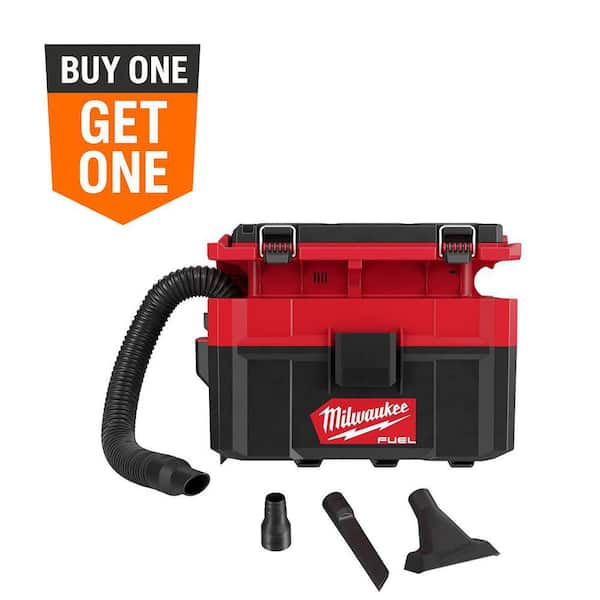
Milwaukee makes several vacuum types. Some are designed for dry debris, while others handle wet and dry material. You can also find compact handheld units, portable shop vacs, and backpack vacuums.
Common uses include:
• Removing sawdust from workbenches
• Cleaning drywall dust from job sites
• Picking up wood chips and metal shavings
• Cleaning car seats, floors, and trunks
• Removing small spills from hard floors
• Cleaning tools and work vans
The exact power, capacity, filter type, and runtime depend on the model. Always check the model number before buying batteries, filters, or accessories.
Main Types of Milwaukee Cordless Vacuums
Choosing the right type is easier when you know what each design does best. A small handheld vacuum is not meant to replace a large shop vacuum. In the same way, a backpack vacuum may be too much for a few crumbs in a car.
Compact handheld vacuums
Compact Milwaukee vacuums are light and easy to carry. They work well for small messes, stairs, vehicles, and quick bench cleaning.
These models are useful when you need speed. You can grab the vacuum, clean the area, and put it away in less than a minute. Their smaller bins do fill fast, so they are not ideal for large piles of dust.
M18 wet/dry shop vacuums
An M18 wet/dry vacuum gives you more capacity and wider use. Depending on the model, it can collect dry debris and small amounts of liquid.
These vacuums are popular in garages, workshops, and construction areas. They often support flexible hoses and floor tools. Their main benefit is freedom from a wall outlet.
Backpack vacuums
A Milwaukee backpack vacuum places the motor and dust container on your back. This design helps when you need to move around a large work area.
Backpack models can be helpful for electricians, remodelers, installers, and service crews. They reduce the need to drag a vacuum across the floor. However, they may feel heavy during long shifts, especially with a large battery attached.
Dedicated dust extraction vacuums
Some Milwaukee vacuums focus on dust control around power tools. These models may include filters and connections made for sanders, saws, drills, or grinders.
For fine dust, a proper dust extractor is often safer and more effective than a basic utility vacuum. Fine particles can pass through weak filters and return to the air.

Important Features to Check
The best Milwaukee cordless vacuum cleaner depends on more than suction power. A good match should fit your battery system, cleaning task, storage space, and expected runtime.
Battery platform
M12 batteries are smaller and lighter. They suit compact tools and light cleaning jobs. M18 batteries offer more energy for larger vacuums and longer work periods.
If you already own Milwaukee tools, staying on the same platform can reduce your total cost. You may use the same batteries in drills, saws, lights, and vacuums.
Still, battery size affects weight. A high-capacity battery may extend runtime but make a handheld vacuum less comfortable.
Suction and airflow
Suction helps lift dirt from a surface. Airflow helps move that dirt through the hose and into the bin. Both matter.
A vacuum may feel powerful with a short nozzle but weaker with a long hose. Clogged filters, full bins, and narrow tools also reduce performance. For this reason, published test numbers should not be the only factor in your choice.
Dust capacity
A larger bin means fewer stops. This matters when cleaning a workshop or job site.
A small bin is easier to carry and store. It also works well for quick tasks. Think about the mess you usually clean. A small handheld unit may be enough for a car, but a larger wet/dry model is better for renovation debris.
Filter quality
Filters protect the motor and help keep dust out of the room. Some Milwaukee models use high-efficiency or HEPA-rated filtration, but not every model has the same filter system.
Check the product details for the exact model. If you work with fine dust, choose a vacuum with suitable filtration. Follow the filter care instructions, and replace damaged filters at once.
Hose and tool storage
A flexible hose makes a vacuum easier to use. Crevice tools help reach tight spaces. Floor tools help with larger areas.
Built-in storage is also useful. It keeps small tools from getting lost in a truck or workshop drawer. A vacuum with poor accessory storage can become frustrating over time.
Noise and comfort
Cordless does not mean silent. Motors, airflow, and hard debris can create a lot of noise.
Wear hearing protection during long work sessions. For backpack models, check strap padding, balance, and weight. A vacuum that feels fine for five minutes may feel tiring after an hour.
Benefits of a Milwaukee Cordless Vacuum Cleaner
A Milwaukee cordless vacuum cleaner offers several clear benefits for people who already use Milwaukee batteries.
Easy movement
You can clean a staircase, vehicle, attic, or job site without searching for an outlet. There is no cord to drag, trip over, or unplug.
This freedom saves time. It also helps in unfinished spaces where power may not be available.
Shared batteries
The M12 and M18 systems let one battery work across many tools. This can be a major benefit for contractors and serious DIY users.
You may already have charged batteries in your tool bag. That makes the vacuum ready when a mess appears.
Fast cleanup
Cordless vacuums are ideal for small and medium messes. They encourage quick cleanup instead of letting dust build up.
A clean work area is safer and easier to manage. It also protects finished surfaces from scratches caused by loose grit.
Portable job-site cleaning
A Milwaukee cordless vacuum cleaner can move from room to room with you. This is useful during flooring work, cabinet installation, electrical work, and trim projects.
You do not need to place the vacuum near a wall. You can keep it beside your tools and move it as the job changes.
Useful vehicle cleaning
Many users like cordless vacuums for cars and trucks. A handheld model can reach seats, footwells, consoles, and cargo areas.
The lack of a cord is especially useful in parking lots or driveways. A long crevice tool can also reach under seats.

Limitations to Keep in Mind
No cordless vacuum is perfect. Knowing the limits helps prevent disappointment.
Battery runtime varies
Runtime depends on the vacuum, battery size, power setting, filter condition, and material being collected. Fine dust and blocked filters can make the motor work harder.
A spare battery is useful for long jobs. If you work all day, consider a larger battery set or a corded vacuum for heavy, continuous cleaning.
Cordless power may be lower
A battery vacuum can clean very well, but it may not match a large corded shop vacuum for long heavy-duty work. Corded machines can provide steady power for extended periods.
A Milwaukee cordless vacuum cleaner is best viewed as a portable work partner. It is not always a full replacement for a large dust collector.
Small bins need frequent emptying
Compact models fill quickly with sawdust, pet hair, and debris. Empty the bin before it becomes packed.
A full container can restrict airflow. It may also push dust toward the filter and reduce suction.
Wet pickup needs care
If the vacuum supports wet pickup, follow the manual closely. Some models require a special filter or a change in setup before collecting liquid.
Never assume that every cordless vacuum can safely pick up water. Water and electricity can create serious hazards when the machine is not designed for wet use.
Battery cost adds up
Batteries and chargers can cost a large part of the total purchase price. This matters if you do not already own Milwaukee tools.
Compare the vacuum kit with the bare-tool price. A kit may include a battery and charger, while a bare tool may include only the vacuum.
How to Choose the Right Model
Use your normal cleaning tasks as the starting point. Do not buy based only on the biggest motor or newest design.
Choose a compact model if you need to:
• Clean vehicles and stairs
• Remove small workshop messes
• Carry the vacuum often
• Store it in a small cabinet
• Use an M12 battery system
Choose a larger M18 model if you need to:
• Clean sawdust and job-site debris
• Work for longer periods
• Use a longer hose
• Pick up larger pieces of material
• Collect some wet debris, if supported
Choose a backpack model if you need to:
• Move across large work areas
• Clean commercial spaces
• Avoid dragging a vacuum
• Carry the machine between rooms
• Keep both hands free during some tasks
Before buying, check these details:
-
Confirm the battery platform.
-
Check whether the tool includes a battery and charger.
-
Review dry and wet pickup ratings.
-
Check filter availability and replacement cost.
-
Measure the storage space in your truck or workshop.
-
Read the manual for dust and liquid limits.
-
Compare weight with the battery installed.
A useful lesson from tool testing is simple: comfort often matters more than peak power. A vacuum that is easy to carry and quick to empty may get used far more than a stronger model that feels bulky.
Best Practices for Use and Maintenance
Good care keeps a Milwaukee cordless vacuum cleaner working well. It also helps protect the battery and motor.
Keep the filter clean
Follow the cleaning method listed in the manual. Some filters can be tapped clean, while others need washing. Do not reinstall a washable filter until it is fully dry.
A wet filter can restrict airflow and may damage the vacuum. A torn filter should be replaced, not patched.
Empty the bin often
Do not wait until the container is completely full. Emptying it early helps maintain airflow.
For dusty work, empty the bin outdoors when possible. Wear eye protection and a suitable dust mask if fine particles may become airborne.
Inspect the hose
Look for cracks, loose fittings, or blockages. Even a small gap can reduce suction.
If the vacuum suddenly becomes weak, check the hose, nozzle, filter, and bin before blaming the battery.
Store batteries correctly
Remove the battery when storing the vacuum. Keep batteries away from extreme heat, water, and metal objects that could bridge the terminals.
Use the correct Milwaukee charger. Stop using a battery if it is swollen, cracked, leaking, or unusually hot.
Use dust control with power tools
Connect the vacuum to a tool port when possible. Use the correct adapter and make sure the connection is secure.
Vacuum extraction can reduce airborne dust, but it does not remove every risk. Use ventilation, eye protection, and respiratory protection when the material or task requires it.
Common Mistakes to Avoid
Many vacuum problems come from simple setup mistakes. Avoiding them can save time and repair costs.
• Using a dry-only model for liquid pickup
• Running the vacuum with a clogged filter
• Ignoring a full dust bin
• Using the wrong battery or charger
• Pulling the machine by its hose
• Storing a wet vacuum while moisture remains inside
• Expecting a compact vacuum to collect large demolition debris
• Using a damaged filter for fine dust
One mistake I often see in workshops is choosing a vacuum by battery voltage alone. Voltage does not tell the whole story. Design, airflow, filter quality, hose size, and tool condition all affect real cleaning performance.
Another common mistake is buying a bare tool without checking battery compatibility. Confirm whether your existing battery is M12 or M18 before placing an order.
Milwaukee Cordless Vacuum Cleaner vs. Corded Shop Vacuum
A cordless vacuum wins on movement and convenience. A corded shop vacuum usually wins for long runtime and demanding cleanup.
Choose cordless when:
• You work in several rooms
• Power outlets are limited
• You clean vehicles or outdoor areas
• You need quick daily cleanup
• You already own compatible Milwaukee batteries
Choose corded when:
• You run a dust-producing tool for hours
• You need a large collection tank
• You collect heavy debris often
• Maximum sustained suction is the priority
Many workshops benefit from both. Use the cordless model for fast cleanup and mobility. Use the corded shop vacuum for long sanding sessions, large spills, or major renovation work.
Frequently Asked Questions About Milwaukee Cordless Vacuum Cleaner
Is a Milwaukee cordless vacuum cleaner worth it?
It can be worth it if you already own compatible Milwaukee batteries and need portable cleaning. It may cost more than a basic household vacuum, but the shared battery system and strong job-site design add value.
Can a Milwaukee cordless vacuum pick up water?
Some Milwaukee models support wet pickup, but others are designed only for dry debris. Check the exact model manual before collecting water, and use the required filter or setup.
How long does the battery last?
Battery life depends on the model, battery capacity, power level, filter condition, and material being collected. A larger battery usually provides longer runtime but adds weight.
Are Milwaukee cordless vacuums good for cars?
Yes, compact models work well for car seats, floor mats, trunks, and tight spaces. A crevice tool and a fully charged battery make vehicle cleaning much easier.
Can I use an M18 battery on an M12 vacuum?
No. M12 and M18 batteries belong to different Milwaukee platforms and are not interchangeable. Always match the battery to the vacuum model.
Does every Milwaukee vacuum use a HEPA filter?
No. Filtration differs by model. Check the product specifications and use the correct replacement filter for the dust you collect.
Can I use a Milwaukee cordless vacuum for drywall dust?
Some models are suitable for fine dust when used with the correct filter and setup. Drywall dust can clog filters quickly, so inspect the filter often and follow proper respiratory safety practices.
Conclusion
A Milwaukee cordless vacuum cleaner is a practical tool for fast, portable cleanup. The M12 models suit light tasks, while M18 wet/dry and backpack models offer more capacity and flexibility. The right choice depends on your battery platform, debris type, runtime needs, and comfort.
Check the filter system, bin size, wet pickup rating, accessories, and total kit cost before buying. With regular filter care and sensible battery use, your vacuum can become one of the most useful tools in your workshop or vehicle.
Compare the available models, match one to your daily work, and share your own Milwaukee vacuum experience in the comments.


One Comment