
A cordless backpack vacuum cleaner gives you hands-free cleaning power without a cord, making large spaces faster to clean.
A cordless backpack vacuum cleaner combines a shoulder-worn design with rechargeable battery power. It can move with you through stairs, offices, cars, classrooms, and busy homes without dragging a heavy canister or searching for an outlet. This guide explains how these vacuums work, what features matter, where they perform best, and how to choose one with confidence.
What Is a Cordless Backpack Vacuum Cleaner?
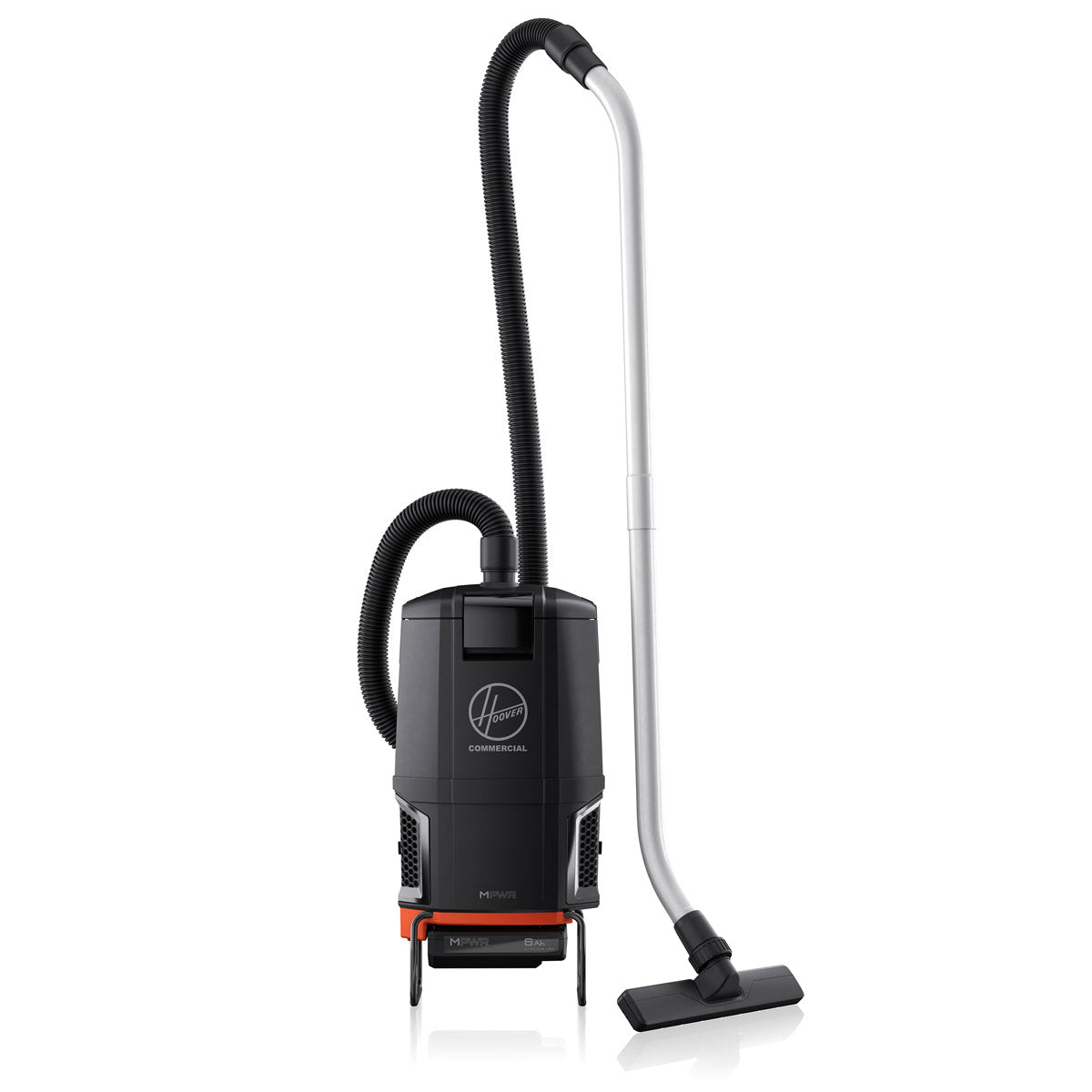
A cordless backpack vacuum cleaner is a portable vacuum that sits on your back like a small pack. It uses a battery instead of a wall outlet and connects to a hose, wand, or floor tool.
The design places the motor and dirt container close to your body. This balance can make cleaning feel easier than pushing a standard upright vacuum. Your hands stay free, so you can guide the hose around furniture, shelves, stairs, and tight corners.
Most models include these main parts:
• Rechargeable battery pack
• Motor and fan system
• Dust bag or dirt container
• Flexible hose
• Wand or cleaning tube
• Floor head or specialty tool
• Shoulder straps and waist belt
• Air filter system
The best cordless backpack vacuum cleaner is not always the one with the highest power rating. Fit, battery life, noise, filtration, weight, and tool quality also shape the cleaning experience.

How Does a Cordless Backpack Vacuum Work?
A battery sends power to the vacuum motor. The motor spins a fan, which creates low air pressure inside the machine. Air and dirt then move through the hose and into a bag or dust container.
The air must pass through filters before it leaves the vacuum. Many commercial models use multi-stage filtration. Some include high-efficiency or HEPA filters, but you should check the product label rather than assume every model offers HEPA-level filtration.
The backpack frame spreads the load across your shoulders, waist, and upper back. A good harness should keep the machine stable while you bend, turn, and climb stairs.
Battery systems vary by model. Some vacuums use removable lithium-ion batteries. Others use built-in packs that need to be charged while attached to the machine. Removable batteries are useful if you want a spare pack for longer cleaning jobs.
Main Benefits of a Cordless Backpack Vacuum Cleaner
A cordless backpack vacuum cleaner can solve several problems that traditional vacuums create. It does not suit every task, but its design is highly practical in the right setting.
Better Movement
Without a power cord, you can move from room to room with fewer stops. You do not need to unplug the vacuum at each doorway or watch for a cord under your feet.
This freedom matters in schools, hotels, offices, theaters, and large homes. It also helps when cleaning stairs because there is no machine to pull up behind you.
Easier Stair Cleaning
Stairs can turn a normal vacuum into an awkward weight. A backpack model keeps the motor on your body while your hands control the hose and floor tool.
For best results, use one hand to guide the tool and the other to steady the hose. Move from the top step downward when possible. Keep your body upright and avoid twisting your spine.
Faster Commercial Cleaning
Professional cleaners often need to cover large areas within a short work window. A cordless backpack vacuum cleaner can reduce setup time and make it easier to clean under desks, between seats, and around tables.
The benefit is not only speed. Fewer cords also reduce trip risks and help workers move around customers or staff.
Good Access in Tight Spaces
A backpack vacuum can reach areas where upright vacuums struggle. The hose can extend under beds, between car seats, behind shelving, and around office furniture.
Some models include crevice tools, upholstery brushes, dusting tools, and narrow floor heads. The right attachment can make a bigger difference than a small increase in motor power.
More Comfortable Cleaning
A well-fitted harness can reduce the need to push and pull a heavy vacuum. The machine follows your body instead of rolling behind you.
Comfort still depends on weight and fit. If the straps are too loose, the vacuum may shift. If the waist belt is too tight, it may cause pressure during long cleaning sessions.

Limitations to Consider
A cordless backpack vacuum cleaner has clear advantages, but it also has trade-offs. Knowing them before you buy can prevent disappointment.
Limited Battery Runtime
Battery life depends on the power setting, floor tool, filter condition, battery age, and cleaning surface. A model may run for a long time in low mode but much less time at maximum power.
Check the maker’s runtime details carefully. Look for separate figures for low, medium, and high settings. If the information only gives one number, treat it as a best-case estimate.
Charging Time
A battery may need several hours to recharge. This can interrupt a long cleaning shift unless you have a spare battery or a charging plan.
Commercial users should consider:
• Number of batteries included
• Cost of replacement batteries
• Charge time
• Availability of a fast charger
• Battery warranty
• Storage temperature limits
Body Weight
The backpack design does not remove weight. It moves the weight onto your body. A heavy machine may become tiring during long sessions, especially when the harness does not fit well.
Try to compare the working weight, not only the motor weight. The working weight includes the battery, hose, wand, and dirt container.
Smaller Dirt Capacity
Many cordless models use a compact dust bag or bin to keep the backpack light. You may need to empty or replace it more often than you would with a large canister vacuum.
A full bag can also reduce airflow. Empty the container before it becomes packed tightly with dirt.
Noise
Backpack vacuums can be loud. Noise varies by motor design, airflow, floor head, and filter condition. For schools, hotels, and offices, consider a model with a lower sound rating.
Hearing protection may be wise for frequent commercial use, especially when cleaning for many hours. Follow workplace safety rules and local guidance.

Important Features to Check Before Buying
Choosing the right cordless backpack vacuum cleaner becomes easier when you compare useful features instead of relying on advertising terms.
Battery Type and Runtime
Lithium-ion batteries are common because they offer strong energy density and do not need the same care as older battery types. Still, battery performance drops over time.
Look for:
• Removable batteries
• A clear runtime rating
• Battery level indicators
• Quick charging options
• Reasonable replacement costs
• A written battery warranty
A removable battery is especially helpful for professional cleaners. One battery can charge while another is in use.
Airflow and Suction
Suction describes the vacuum’s pulling force. Airflow describes how much air moves through the system. Both affect cleaning, but neither number tells the whole story.
A good floor head, sealed hose, clean filter, and suitable brush can improve real-world cleaning. Avoid judging a vacuum by a single advertised number.
Filtration
Filtration matters if you clean fine dust, pet hair, pollen, or commercial spaces. A sealed design can help prevent captured dust from escaping around the filter or container.
If you need HEPA filtration, confirm that the model lists it clearly. Also check whether the filter is washable, replaceable, or both. Never wash a filter unless the instructions allow it.
Harness Design
The harness should feel stable and easy to adjust. Wide shoulder straps and a padded waist belt can spread pressure. A chest strap may stop the shoulder straps from sliding outward.
Try this simple fit test:
- Loosen every strap.
- Place the vacuum on your back.
- Tighten the waist belt first.
- Adjust the shoulder straps until the unit sits close to your back.
- Tighten the chest strap if the model has one.
- Walk, bend, and turn to check for movement.
The machine should sit high enough to feel balanced but not so high that it touches your neck.
Hose and Tool Design
A stiff hose can make cleaning tiring. A flexible hose should bend without collapsing. Check the hose length and the way it connects to the machine.
Useful tools may include:
• Floor head
• Crevice tool
• Dusting brush
• Upholstery tool
• Hard-floor nozzle
• Carpet brush
• Flexible extension wand
If you clean cars, stairs, or office furniture, tool variety may matter more than a large dust capacity.
Dust Bag or Dirt Bin
Dust bags usually control fine dust well and can be cleaner to replace. Dirt bins can reduce supply costs, but emptying them may release dust into the air.
Check how easy it is to remove the bag or bin. A difficult latch becomes frustrating after repeated use.

Cordless Backpack Vacuum Cleaner for Different Uses
The right model depends on where you plan to clean. A home user may want comfort and low noise, while a janitorial team may prioritize runtime and replacement parts.
For Home Cleaning
A lightweight cordless backpack vacuum cleaner can work well in multi-level homes. It is useful for stairs, rugs, hard floors, ceilings, and areas under furniture.
Choose a model with:
• Low working weight
• Adjustable suction
• A soft floor tool
• Good battery visibility
• Simple emptying
• A comfortable harness
For a small apartment, a compact stick vacuum may be easier to store. A backpack model becomes more valuable when you have stairs, pets, large rooms, or many hard-to-reach areas.
For Offices and Schools
Look for a quiet design, long runtime, strong filtration, and durable tools. A professional cleaner may need to work around desks, computers, classrooms, and stored supplies.
Do not use a wet vacuum on spilled liquids unless the model is made for wet pickup. Most cordless backpack vacuums are designed for dry debris only.
For Hotels and Hospitality
Hotel cleaning often involves stairs, corridors, guest rooms, and tight spaces. A backpack design can reduce the need to pull a machine through doors and hallways.
A compact floor head is helpful around beds and furniture. A long-lasting battery can also reduce interruptions during room turnover.
For Car and Vehicle Cleaning
A cordless backpack vacuum cleaner can make vehicle detailing easier because there is no cord to run across a driveway or parking area. A narrow crevice tool can reach between seats and along door tracks.
Check whether the hose and tools are long enough for the vehicle type. For large vans, a short hose may force you to reposition often.
For Pet Hair
Pet hair may require a brush roll or specialized tool. Suction alone may not lift hair woven into carpet fibers.
Clean the brush after each use. Hair wrapped around the roller can reduce performance and strain the motor.

How to Use a Cordless Backpack Vacuum Safely
Good technique protects your body and helps the vacuum last longer. Read the manual first, since controls and filters vary by model.
Follow these basic steps:
- Inspect the hose, battery, bag, and filter.
- Charge the battery before starting.
- Adjust the harness while the machine is empty.
- Place the vacuum on your back with help if it feels heavy.
- Keep the waist belt secure.
- Use the correct tool for the surface.
- Move with steady passes instead of quick jerks.
- Avoid pulling the hose sharply.
- Stop the machine before clearing a blockage.
- Remove the battery before deep maintenance when instructed.
Use safe lifting habits. Bend your knees, keep the vacuum close to your body, and avoid turning your torso while lifting it.
Do not vacuum hot ash, sharp glass, flammable liquids, or wet debris unless the instructions specifically permit it. Fine construction dust may also require a special filtration system.
Maintenance Tips for Better Performance
Regular care can protect suction, battery life, and indoor air quality. A neglected vacuum often feels weak even when the motor still works correctly.
Clean the Filter
A blocked filter reduces airflow and may make the motor run hotter. Follow the manual for cleaning and replacement intervals.
If the filter is washable, let it dry fully before reinstalling it. A damp filter can damage the vacuum and create an unpleasant smell.
Replace Bags on Time
Do not wait until a dust bag is completely packed. Air needs room to move through the bag. Replace it when airflow drops or when it reaches the maker’s fill mark.
Use the correct bag size. An ill-fitting bag can allow dust to bypass the filter.
Inspect the Hose
Look for cracks, loose connections, and blockages. Even a small split can reduce suction.
A simple test is to run the vacuum and listen for a change in sound. A sharp whistle may point to an air leak.
Care for the Battery
Store the battery in a cool, dry place. Avoid leaving it in a hot car or in direct sun. Use the approved charger and stop using a battery that is swollen, cracked, leaking, or unusually hot.
Battery technology changes over time, so follow the current care instructions from the manufacturer.
Clean the Floor Tool
Remove hair, thread, and string from the brush roll. Check wheels and air channels for trapped debris.
This small task can prevent a large performance problem. In my experience with backpack-style cleaning systems, blocked floor tools are one of the easiest issues to overlook.
Common Buying Mistakes to Avoid
A few simple mistakes can lead to an expensive purchase that does not fit your needs.
Choosing Runtime Without Checking Power Mode
A listed runtime may apply only to the lowest setting. Compare the runtime you need at the power level you will actually use.
Ignoring the Harness
A vacuum can have strong suction and still feel uncomfortable. If possible, try it on with the battery and hose attached.
Buying Based Only on Motor Power
Motor numbers do not show how well the full system cleans. Hose seals, filters, tools, brush design, and airflow all matter.
Forgetting Replacement Costs
Add the cost of bags, filters, batteries, chargers, and tools. A lower purchase price may not mean a lower long-term cost.
Using It for Wet Debris
Most cordless backpack vacuum cleaners are dry-only machines. Wet pickup can damage the motor and create a safety risk.
Skipping the Warranty Details
Check what the warranty covers and whether battery coverage is separate. Commercial use may have different terms from household use.
Cordless vs. Corded Backpack Vacuums
A corded backpack vacuum can run as long as it has access to a power outlet. This makes it useful for long cleaning shifts and large indoor areas.
A cordless backpack vacuum cleaner offers more freedom and faster setup. However, its runtime is limited, and replacement batteries can be costly.
Choose cordless when:
• You clean stairs or vehicles
• Outlets are difficult to reach
• You need fast movement
• Cords create a trip concern
• You value simple setup
Choose corded when:
• You clean for many continuous hours
• A reliable outlet is always nearby
• Maximum uninterrupted runtime matters
• Battery replacement costs are a concern
Some professional teams use both. They choose cordless equipment for quick jobs and corded units for long, fixed-area cleaning.
Frequently Asked Questions About Cordless Backpack Vacuum Cleaner
Is a cordless backpack vacuum cleaner good for home use?
Yes, it can work well in homes with stairs, pets, large rooms, or hard-to-reach spaces. A lightweight model with a comfortable harness is usually the best choice for household cleaning.
How long does a cordless backpack vacuum battery last?
Runtime varies by battery size, suction setting, floor tool, and filter condition. Many models run longer on low power than on maximum power, so check the maker’s rating for each mode.
Can a cordless backpack vacuum cleaner pick up liquids?
Usually, no. Most cordless backpack vacuums are made for dry debris only, and liquid can damage the motor or create an electrical hazard.
Are backpack vacuums better than upright vacuums?
Neither design is best for every job. Backpack vacuums offer better mobility on stairs and in tight spaces, while upright vacuums may provide a larger dirt capacity and a more familiar floor-cleaning setup.
Do backpack vacuums work well with pet hair?
They can, especially when paired with a brush tool or powered floor head. Clean the brush roll often because wrapped hair can reduce airflow and cleaning performance.
How do I make a cordless backpack vacuum last longer?
Keep the filter clean, replace bags before they become packed, clear tool blockages, and store the battery correctly. Regular care helps maintain airflow and reduces stress on the motor.
Is a HEPA filter necessary?
A HEPA filter may be useful for people who want stronger filtration of fine particles, but the need depends on your home and cleaning goals. Confirm that the model uses a true HEPA system and that the vacuum seals air properly.
Conclusion
A cordless backpack vacuum cleaner offers a practical mix of mobility, comfort, and cleaning reach. It is especially useful for stairs, offices, vehicles, schools, hotels, and large homes where cords slow you down.
Before buying, compare real battery runtime, working weight, filtration, harness fit, tool quality, noise, maintenance needs, and replacement costs. The best choice is the model that fits your body and your cleaning routine, not simply the one with the biggest power claim.
Use this guide to compare your options, test the fit when possible, and choose a cordless backpack vacuum cleaner that makes each cleaning job easier.
2 Comments