A commercial cordless vacuum cleaner saves time, cuts hazards, and keeps floors spotless fast.
If you run a store, hotel, school, or a busy office, a commercial cordless vacuum cleaner can change the way you clean. I have tested many models in real sites, from retail aisles to long hallways. In this guide, I break down what matters, what to skip, and how to buy with confidence. If you want speed, safety, and pro results, stick with me.
What is a commercial cordless vacuum cleaner?
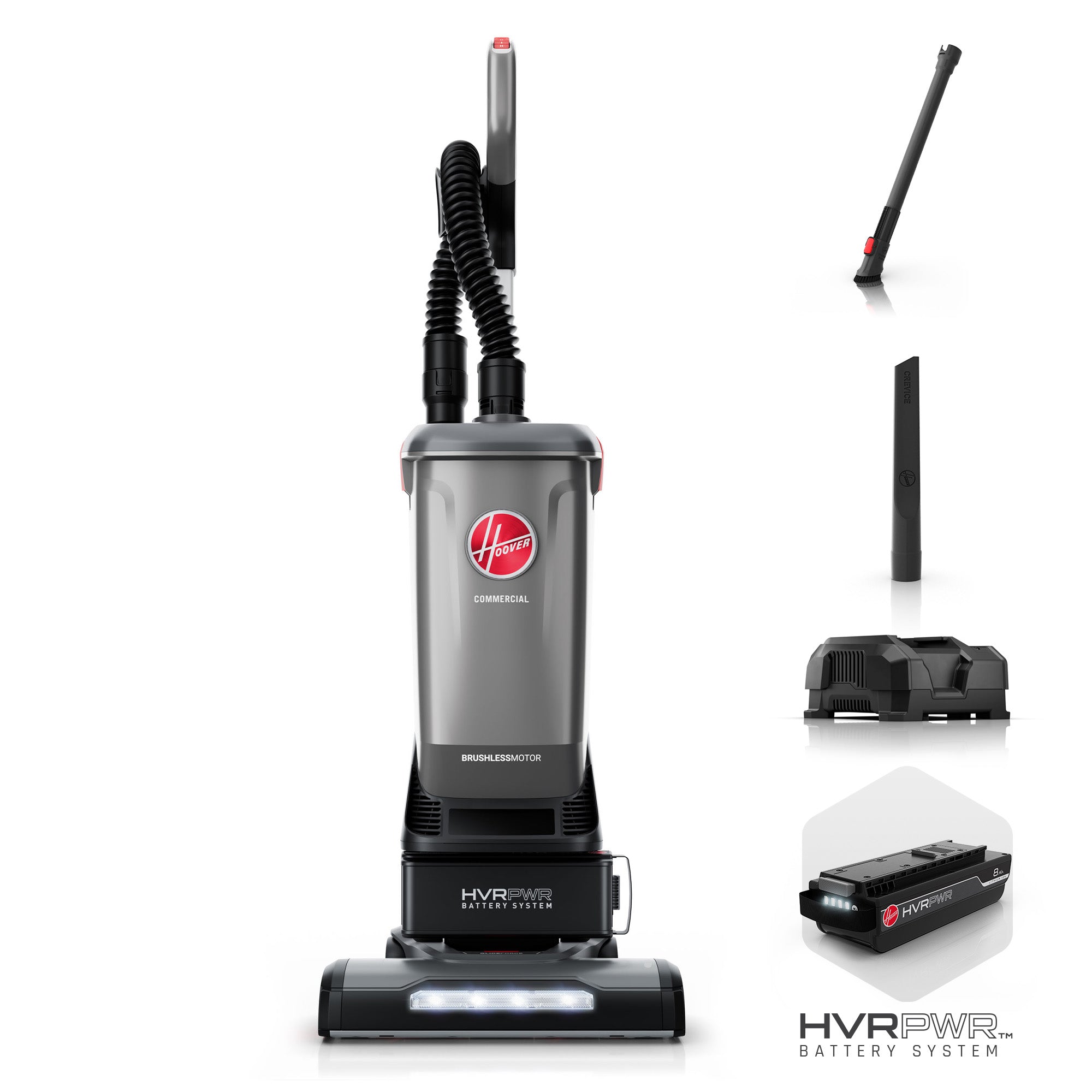
A commercial cordless vacuum cleaner is a pro-grade machine that runs on a battery pack. It is built for long days and tough floors. It trades the cord for freedom and speed.
These units are not the same as home sticks. They use stronger motors, better filters, and bigger bins. Many have hot swap batteries, rugged frames, and parts you can fix on site.
You can use a commercial cordless vacuum cleaner on hard floors and carpet. Many work well on stairs, tight zones, and after hours tasks. They shine where cords get in the way.

Why go cordless in commercial settings
A cord slows you down. It can also be a trip risk. A commercial cordless vacuum cleaner solves both. You move fast and clean more in each shift.
The gains show up in simple ways:
- More area per hour since there is no plug and unplug time
- Fewer trip risks and less damage to plugs and outlets
- Easier spot cleans in front of guests or staff
- Quieter work and less stress for teams
I have seen crews boost output by a third in open spaces. In busy retail, we cut clean time before open by many minutes each day. On large sites, that adds up fast.
A commercial cordless vacuum cleaner also helps with day cleaning. No cord means you can clean when people are around. That helps service levels and keeps floors safe.

Core features and specs that matter
Not all units are the same. Here is how to judge a commercial cordless vacuum cleaner in the real world.
- Suction and airflow Look for air watts, CFM, or Pa. Higher is not always better. Match power to floor type and debris.
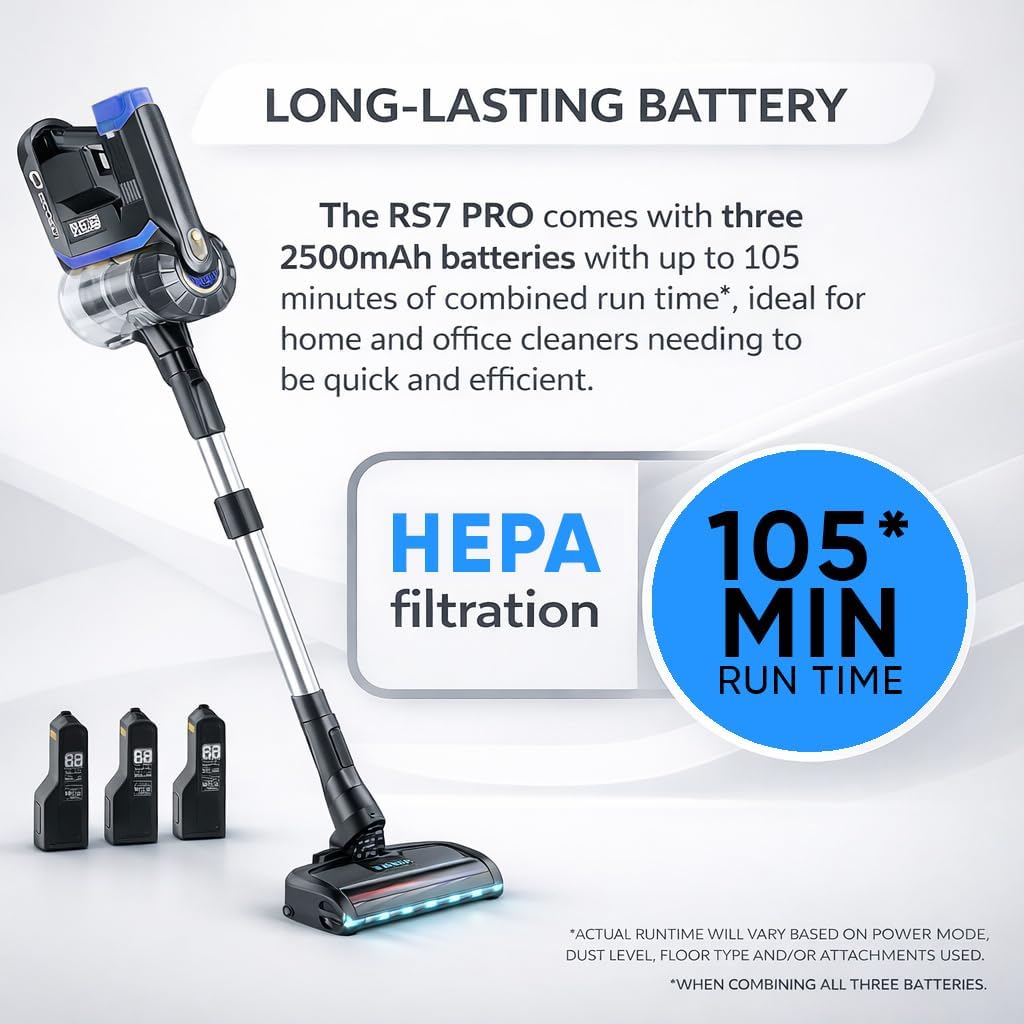
- Battery and runtime Check voltage and watt hours. A 36 to 54 volt pack with 200 to 300 watt hours is common for pro gear. Verify real runtime with the brush on.
- Hot swap batteries Removable packs keep you running. Two packs can cover most shifts.
- Brush head A motorized brush lifts sand and hair from carpet. A soft roller is nice for dust on hard floors.
- Filtration True HEPA helps with fine dust. Sealed systems and H13 filters trap tiny bits. Check for a gasketed bin and sealed paths.
- Weight and ergonomics Aim for light tools and good balance. A backpack spreads the load for longer runs.
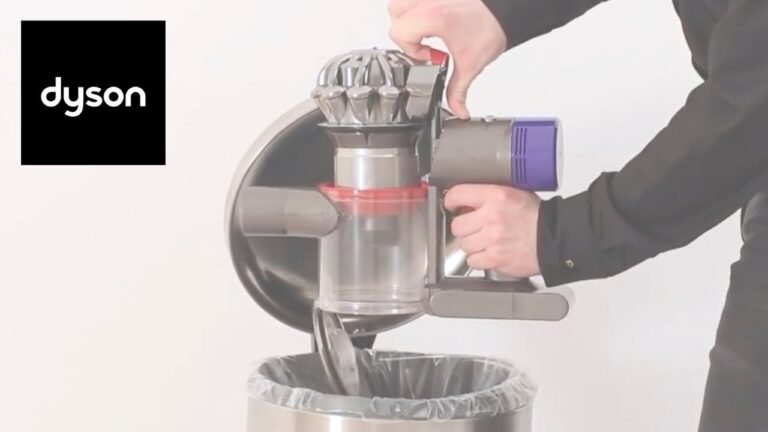
- Bin size and emptying Clear bins help you see fill level. Quick drop latches save time and mess.
- Noise Most pro units run near 60 to 70 dBA. Quieter is nice for day cleaning.
- Build and service Pro tools use stronger plastics and metal joints. Check that you can change belts, filters, and rollers in minutes.
- Safety and ratings Look for safety marks and battery tests. Verify UL or IEC ratings and safe packs.
Bring the tool to your floor if you can. Grit, sand, and hair tell the truth in a demo.
Types and best use cases
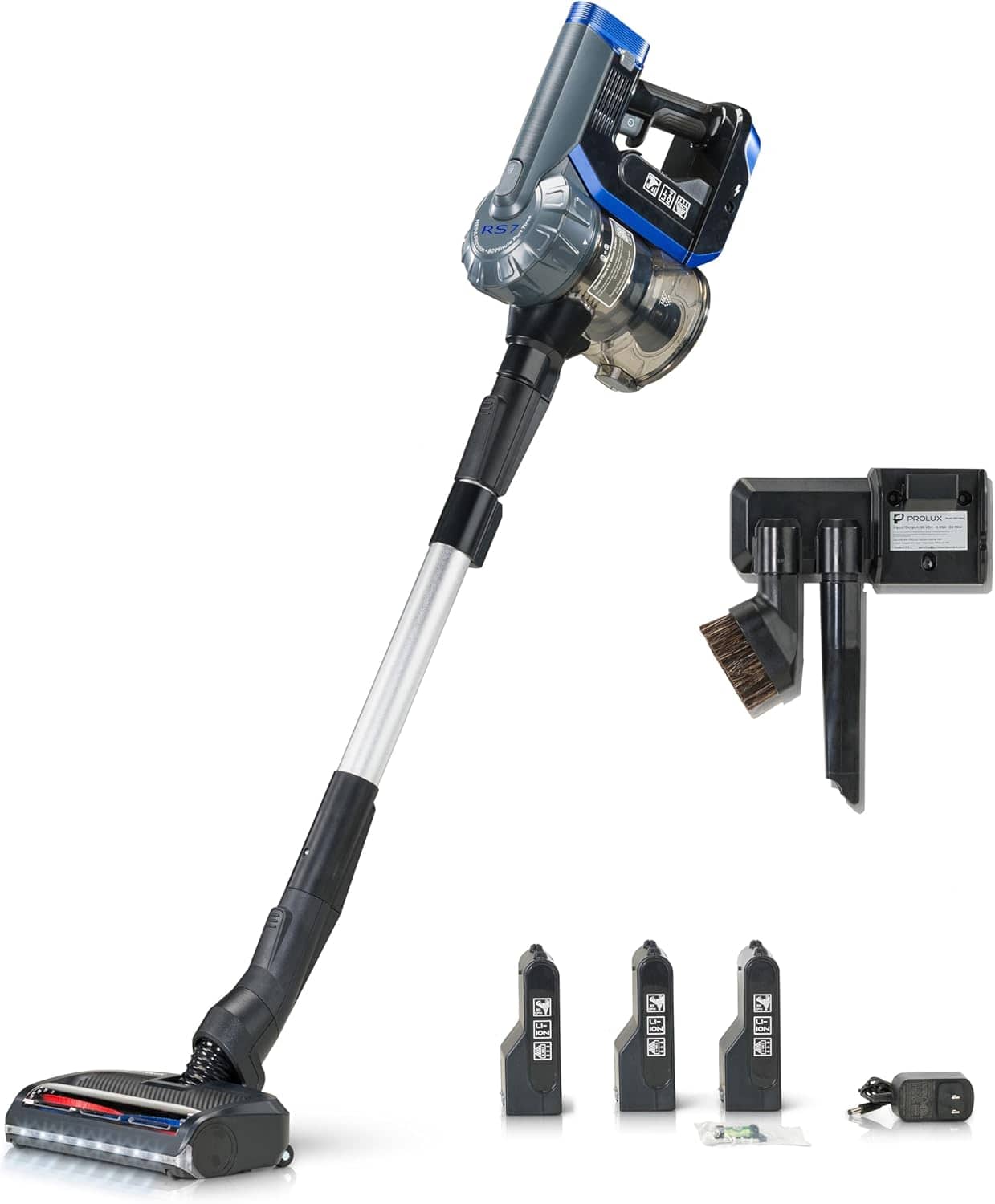
A commercial cordless vacuum cleaner comes in a few forms. Pick the shape that fits your space.
- Stick best for tight spots, quick turns, and mixed floors in small zones
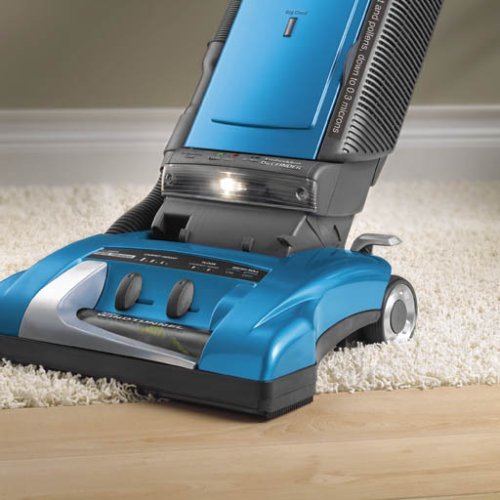
- Upright best for long carpet runs and wide aisles with a powered brush
- Backpack best for large areas, stairs, and when you need to move fast around seats and desks
- Canister best when you want more airflow and a range of tools
- Wet dry best for shops and entry mats with spills and grit
- Robotic best for steady daily dust pickup on open floors
Match the type to the job. For hotels, I like a backpack for halls and a stick for rooms. In retail, a wide upright or a stick with a wide head works well.
How to choose the right commercial cordless vacuum cleaner
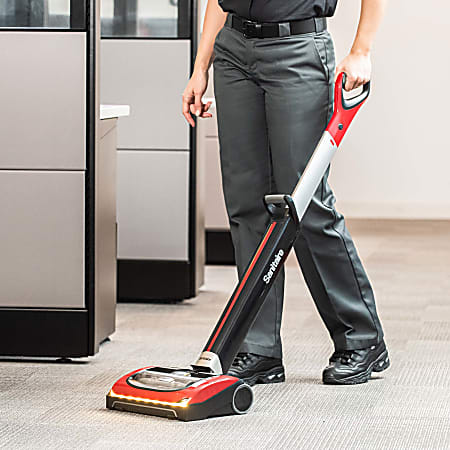
Start with your space. Then pick the tool. Here is a simple way to choose a commercial cordless vacuum cleaner without regret.
- Map your floors Measure area, floor types, and soil load. Note edges, stairs, and tight spots.
- Set runtime goals Add up the time you need per zone. Plan on two battery packs per unit for most sites.
- Check power needs Deep carpet needs a strong brush and solid airflow. Smooth floors need fine dust pickup and soft rollers.
- Look at loader time and storage Do you have safe power near the closet. Plan smart charging and battery racks.
- Verify filtration If you need HEPA, confirm a sealed path and rated filters.
- Test ergonomics Have the crew try the tool. Check grip, weight, and head glide.
- Review service Who fixes it. Are parts and filters easy to get.
- Confirm ROI Compare labor minutes saved to tool cost. Count battery life cycles and warranty terms.
A short pilot beats guesswork. Run two or three units for two weeks. Log time, charge needs, and any pain points.

Performance, trade offs, and ROI
A corded upright still wins on pure sustained power for some deep pile jobs. Yet a good commercial cordless vacuum cleaner is close on most floors. The gap keeps getting smaller with better motors and packs.
Run time is the trade off. Plan around it. Hot swap packs and smart routes solve most limits. Charging during breaks keeps tools ready.
Here is a simple ROI view. Say your crew saves ten minutes a day per unit. That is almost one hour a week. At a fair labor rate, the tool can pay for itself in a few months. Batteries last many cycles when cared for.
If power is your worry, test on your worst floor. Use sand and hair. Check pickup on the first pass and after. You will know fast if it meets your bar.

Care, maintenance, and battery safety
A commercial cordless vacuum cleaner will last longer with simple care. These steps take minutes and save hours later.
- Empty the bin often A full bin cuts airflow.
- Clean the brush Clear hair and string. Check end caps and bearings.
- Wash or swap filters Follow the guide. Dry filters fully before reuse.
- Wipe seals and gaskets Keep the path tight for strong suction.
- Check for clogs Look at the wand, hose, and neck.
- Rotate batteries Do not run the same pack all day.
- Charge smart Keep packs cool and dry. Use the maker’s charger.
- Store safe Do not leave packs in heat or in deep drain.
Teach the team to spot early signs. Loss of pickup, odd sounds, and hot packs mean it is time to check parts.
Field notes from my cleaning playbook
Retail floor reset We swapped corded uprights for a commercial cordless vacuum cleaner on the night crew. The team cleaned more bays per shift. No more hunt for outlets. Trip risks went down right away.
Hotel halls We used backpack units with hot swap packs. Long runs felt light and fast. We cut time per floor and moved noise work away from guest hours.
School day clean A stick style commercial cordless vacuum cleaner let us spot clean fast between classes. We used soft rollers on halls and a brush for entry mats. Staff liked the lower noise and light weight.

Common problems and quick fixes
- Weak suction Check for a clog, full bin, or dirty filter. Verify seals and the brush drive.
- Short runtime Confirm the power mode. Swap in a fresh pack and cool the hot one before charge.
- Brush not spinning Clear hair from the ends. Check the belt or the small drive motor.
- Dust blowback Seat the filter right. Replace worn gaskets and look for cracks.
- Charger errors Reseat the pack. Keep vents clear and the charger off carpets or soft seats.
If issues repeat, log the steps and contact support with your notes. Fast facts lead to fast fixes.
Frequently Asked Questions of commercial cordless vacuum cleaner
What makes a vacuum “commercial” grade?
It is built for daily use with stronger parts and longer duty cycles. A commercial cordless vacuum cleaner also has better filters and serviceable parts.
How long does a battery last on average?
Many packs run 30 to 60 minutes per charge in normal mode. A commercial cordless vacuum cleaner with two packs can run close to nonstop.
Do I need HEPA filtration?
If you deal with fine dust or care sites, yes. A commercial cordless vacuum cleaner with sealed HEPA helps air quality and keeps dust in the bin.
Can it replace a corded unit fully?
For many sites, yes. A strong commercial cordless vacuum cleaner handles most daily tasks, with corded tools kept for rare deep restors.
How many batteries should I buy?
Two per unit is a smart start. For large sites, three packs keep a commercial cordless vacuum cleaner ready all day.
What about noise during day cleaning?
Most pro units run near 60 to 70 dBA. A commercial cordless vacuum cleaner often sounds softer than a corded upright on carpet.
Are backpack models hard to use?
They can be easy once fitted right. A backpack style commercial cordless vacuum cleaner spreads weight and feels light in long runs.
Conclusion
A modern commercial cordless vacuum cleaner can lift speed, cut risk, and raise the bar on daily clean. It shines in busy sites where cords slow you down. With the right type, smart battery plans, and simple care, it will pay off fast.
Take the next step today. Pilot two models on your floors and log real results. If this guide helped, share it with your team, subscribe for more tips, or leave a question so I can help you choose the best fit.

2 Comments