To vacuum an inground swimming pool, connect a pool vacuum head to a telescoping pole and hose, prime the hose, then vacuum the floor with slow, overlapping passes. Set the filter system to Filter for light dirt or Waste for heavy debris when your pool has that setting. Clean or backwash the filter when the job is done.
Vacuuming removes dirt that settles on the pool floor. It also helps the filter work better and keeps cloudy water from getting worse. This guide applies to most residential pools in the United States, including concrete, fiberglass, and vinyl-lined pools.
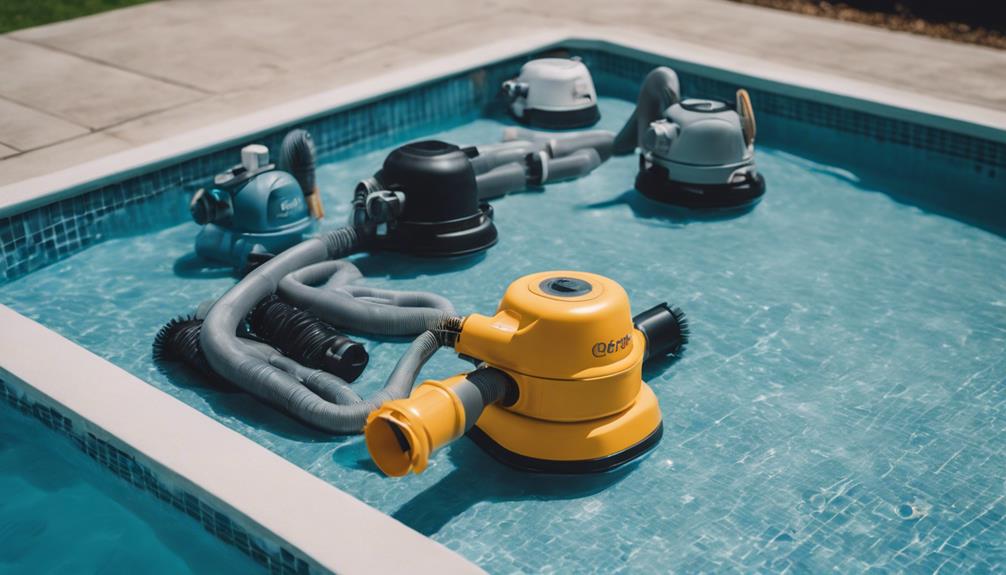
What You Need Before You Start
Gather the right tools before you turn on the pump:
- Pool vacuum head
- Telescoping pool pole
- Vacuum hose long enough to reach every part of the pool
- Skimmer plate, if your system uses one
- Pool skimmer net
- Clean pump basket
- Clean skimmer basket
- Pool test kit or test strips
- Pool brush, if algae or stuck dirt is present
- Access to the pool equipment and filter valve
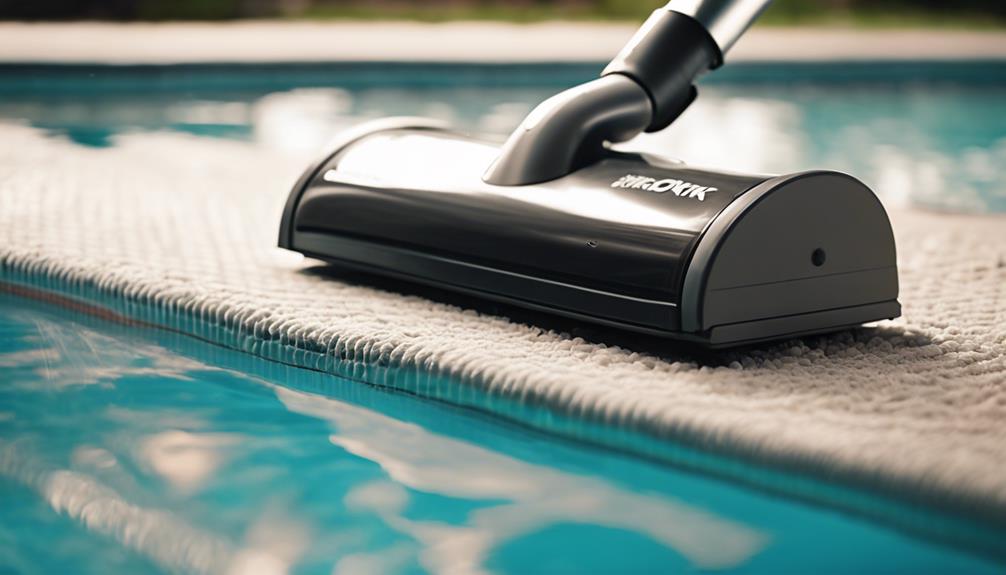
A standard manual pool vacuum uses the pool pump to create suction. The vacuum head picks up dirt, the hose carries the dirt-filled water to the pump, and the filter traps the debris.
Check the pool first
Remove large leaves, sticks, toys, and other loose items with a skimmer net. Large debris can clog the vacuum head, hose, skimmer basket, or pump basket.
Check the water level. The water should usually sit near the middle of the skimmer opening. A low water level can pull air into the system and may cause the pump to lose its prime.
Turn off the pump before changing the filter valve position. Never move a multiport valve while the pump is running. Doing so can damage the valve and create a leak.
Choose the Correct Vacuum Setting
The correct setting depends on how dirty the pool is and where you want the debris to go.
| Pool condition | Valve setting | What happens |
|---|---|---|
| Small amount of dirt | Filter | Water passes through the filter and returns to the pool |
| Heavy dirt, algae, or fine sediment | Waste | Dirty water leaves the pool through the waste line |
| Cleaning the filter after vacuuming | Backwash or Clean | Water flows backward through a sand or DE filter |
| Returning water after backwashing | Rinse | Settles the filter media before normal filtering |
| Not vacuuming | Closed or other service settings | Use only as directed by the filter manual |
Use Filter for routine cleaning. This saves water because the water returns to the pool after passing through the filter.
Use Waste when the pool has a large amount of dirt or algae. This sends dirty water out of the pool instead of pushing it through the filter. Watch the water level closely. Add water if it drops too low.
A cartridge filter normally does not have a waste setting. If you have a cartridge filter, vacuum slowly on the normal filter setting unless the equipment maker provides another method.

How to Vacuum an Inground Pool Step by Step
1. Assemble the vacuum
Attach the vacuum head to the telescoping pole. Push one end of the vacuum hose onto the vacuum head.
Make sure the connection is firm. A loose hose can draw air and reduce suction.
2. Fill the hose with water
Lower the vacuum head into the pool. Keep the vacuum head on the floor so it does not float.
Hold the open end of the hose in front of a return jet. Water flowing from the jet will push air out of the hose. Continue until no air bubbles come from the vacuum head.
You can also place the hose over a return jet and let water fill it. A hose full of water is called a primed hose. Priming prevents air from entering the pump.
3. Connect the hose to the suction port
Turn off the pump before making the connection.
If your pool uses a skimmer plate, attach the hose to the plate and place the plate over the skimmer basket. Some pools connect the vacuum hose directly to a suction port inside the skimmer.
Follow the instructions for your pool system. Do not remove the skimmer basket unless your equipment manual tells you to do so. The basket helps catch debris before it reaches the pump.
4. Set the filter valve
With the pump off, set the valve to Filter for normal dirt or Waste for heavy debris.
If you use Waste, confirm that the waste hose or drain line is connected and directed to an approved location. Do not discharge chlorinated pool water where it can harm plants, enter a storm drain, or flow onto a neighbor’s property. Local rules vary across the United States.
5. Start the pump
Turn on the pump and check the vacuum head.
The head should stay on the pool floor. You should feel suction at the vacuum head or hose. Look at the pump basket and filter pressure gauge.
If the pump begins to suck air, turn it off and check the hose connection, water level, and hose for leaks.
6. Vacuum in slow, straight passes
Move the vacuum head slowly across the pool floor. Use overlapping passes, much like mowing a lawn.
Start at the shallow end and work toward the deep end when practical. Keep the vacuum head on the floor. Fast movements can stir up dirt instead of removing it.
Pay extra attention to:
- Steps and ledges
- Corners
- Around drains
- Areas below return jets
- The deep end
- Places where wind pushes leaves or dust
Do not press hard on a vinyl liner. Excess pressure can lift the liner or damage it if grit is trapped beneath the vacuum head.
7. Watch the water level and filter pressure
Stop the pump if the water drops below the skimmer opening. Add water before continuing.
Watch the filter pressure gauge. If pressure rises above the clean starting pressure by the amount listed in your filter manual, stop and clean the filter. Many pool owners use a rise of about 8 to 10 pounds per square inch as a cleaning signal, but the filter manual is the best guide.
Do not rely on one pressure number for every system. The normal pressure depends on the pump, filter, plumbing, valves, and installation.
8. Finish the vacuum job
Turn off the pump before removing the hose or changing the valve setting.
If you vacuumed on Filter, check the pressure gauge. Clean the filter if pressure is high.
If you vacuumed on Waste, return the valve to the normal filter position only after the pump is off. Refill the pool if needed.
Remove the vacuum equipment, empty the pump and skimmer baskets, and rinse the vacuum head and hose. Store the hose loosely. Tight bends can cause permanent kinks.
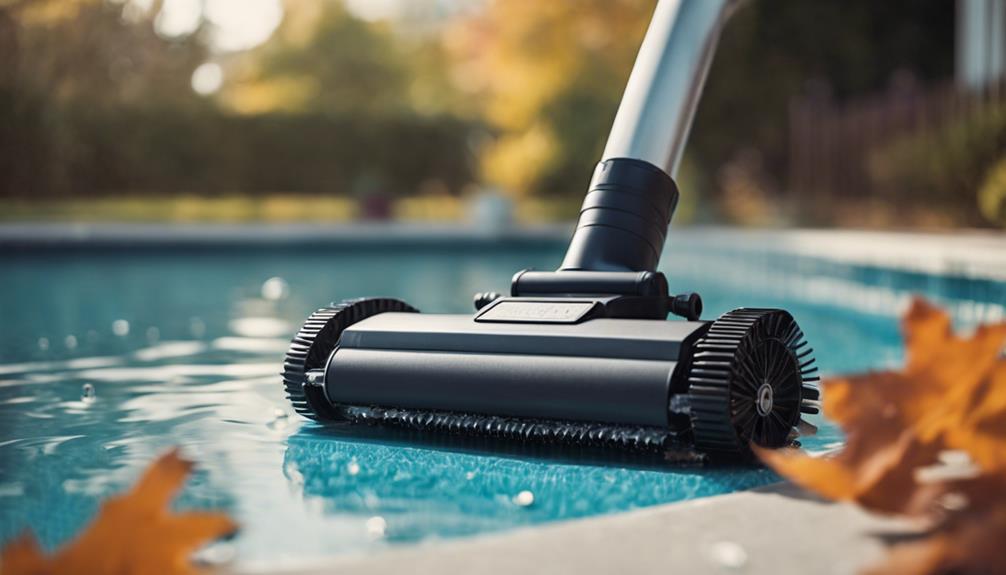
How to Vacuum a Pool on Filter
Vacuuming on Filter is the best choice for normal weekly cleaning.
- Turn off the pump.
- Set the valve to Filter.
- Prime the vacuum hose.
- Connect the hose to the skimmer or suction port.
- Turn on the pump.
- Vacuum slowly across the pool floor.
- Turn off the pump before disconnecting the hose.
- Check the filter pressure.
- Clean the filter if pressure is higher than the normal starting pressure.
The main benefit is water conservation. The pool water stays in the system.
The limit is that fine dirt can load the filter quickly. If the water becomes cloudy or filter pressure rises fast, stop vacuuming and clean the filter.
How to Vacuum a Pool on Waste
Use Waste when the pool has a heavy layer of dirt, dead algae, or fine sediment that you do not want to send through the filter.
The Waste setting bypasses the filter. Water and debris leave the pool through the waste line. This can clean a very dirty pool faster, but it also lowers the water level.
Before starting:
- Confirm that your filter system has a Waste setting.
- Connect the waste line correctly.
- Check local discharge rules.
- Keep a garden hose ready to add fresh water.
- Never let the pump run dry.
Vacuum slowly. If you move too fast, debris may spread before the water carries it away.
When the water level falls close to the skimmer opening, turn off the pump and add water. Do not allow the pump to draw air.
How to Vacuum a Pool Without a Skimmer Plate
Some pool systems connect the vacuum hose directly to a suction port inside the skimmer. Others use a skimmer plate that sits over the skimmer basket.
If you do not have a skimmer plate:
- Turn off the pump.
- Prime the hose completely.
- Insert the hose into the designated suction port.
- Keep the hose full of water during connection.
- Turn on the pump.
- Check for steady suction.
Do not guess which opening to use. A skimmer may have more than one port, and some ports lead to different parts of the circulation system. Check the pool builder’s instructions or the equipment manual if the connection is unclear.
If the hose keeps losing suction, a skimmer plate can make the connection easier on some systems. It can also help keep the hose from pulling the skimmer basket out of place.
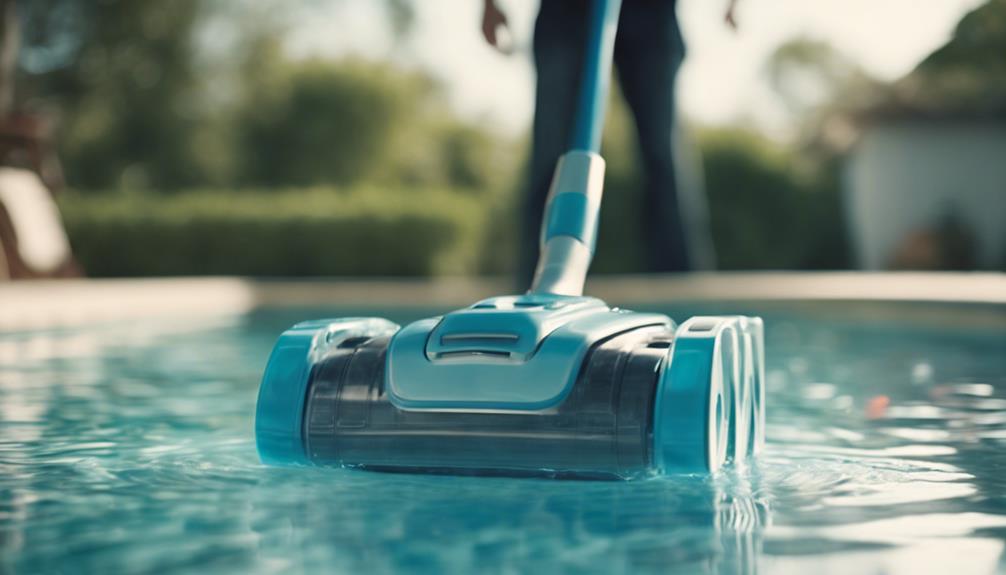
How Often Should You Vacuum an Inground Pool?
Most residential pools need vacuuming about once a week during the swimming season. You may need to vacuum more often after:
- A storm
- Strong wind
- Heavy pollen
- Landscaping work
- A pool party
- An algae problem
- A nearby construction project
A pool with a screened enclosure may need less vacuuming. A pool under trees may need more.
Vacuum when dirt has settled on the floor. Brushing first can help remove algae and dirt from walls, steps, and corners. If you brush, wait for the debris to settle before vacuuming.
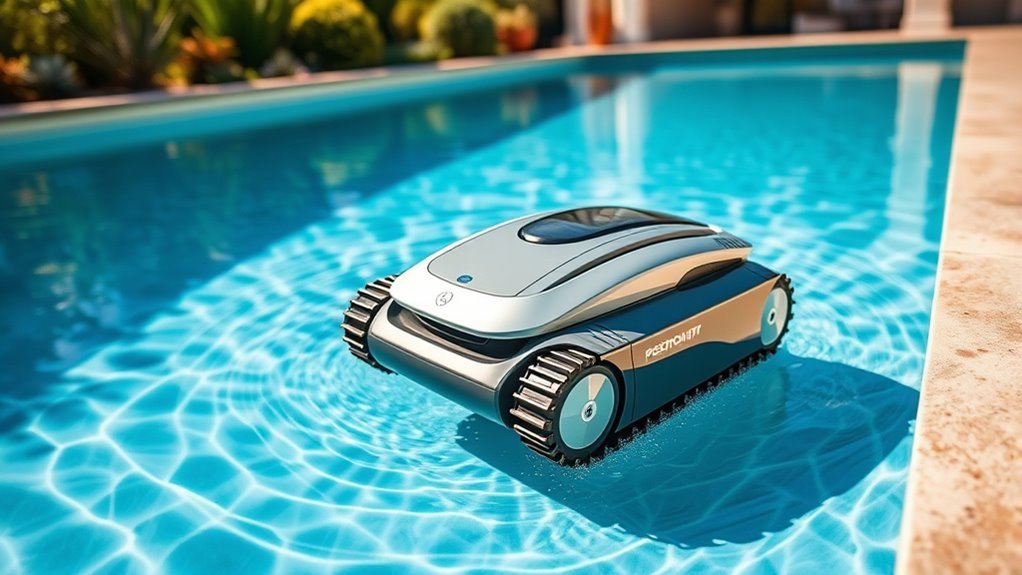
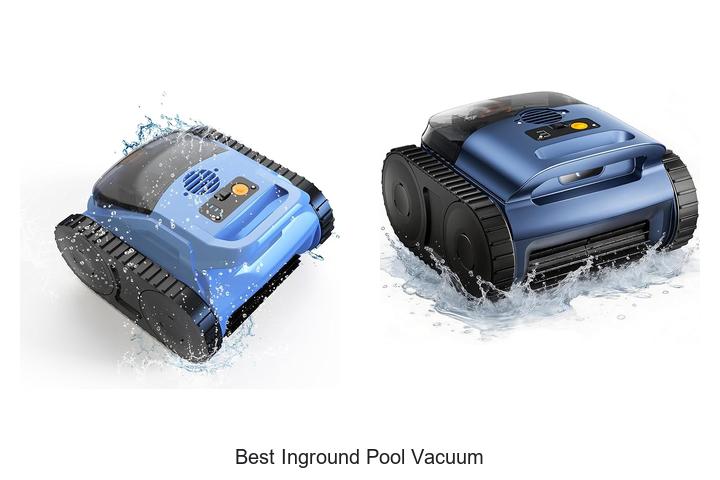
A robotic pool cleaner can reduce manual work, but it does not replace water testing, filter care, or surface cleaning.
Manual Vacuum vs. Automatic and Robotic Cleaners
The best cleaning method depends on the type of debris, your pool surface, and how much time you have.
| Cleaning method | Best for | Main limit |
|---|---|---|
| Manual vacuum | Targeted dirt and low-cost cleaning | Requires hands-on work |
| Suction-side cleaner | Regular cleaning with the pool pump | Can add load to the filter |
| Pressure-side cleaner | Debris collection and scheduled cleaning | Needs a compatible pressure line or booster system |
| Robotic cleaner | Automatic floor and wall cleaning | Needs power and routine basket cleaning |
A manual vacuum is useful when you need to clean one dirty area or remove settled debris after brushing.
A robotic cleaner usually works independently from the pool’s main filter system. It may collect dirt in its own basket, but it still needs inspection and cleaning.
Check compatibility before buying an automatic cleaner. Pool shape, steps, wall angle, surface type, electrical access, and cleaner hose length can affect performance.
What to Do if the Pool Vacuum Has No Suction
No suction usually means air is entering the system, water flow is restricted, or the pump is not operating correctly.
Check these items in order:
1. Confirm the pump is running
Make sure the pump is on and the correct valve is open. Check the circuit breaker if the pump will not start.
Do not open electrical equipment while it is energized. Keep electrical connections away from standing water.
2. Re-prime the hose
Air in the hose can stop suction. Remove the hose, fill it with water again, and reconnect it while keeping both ends underwater.
3. Check the hose for leaks
Look for cracks, loose cuffs, and splits. A small hole can pull air into the system.
You can inspect the hose while it is underwater. A stream of bubbles may show the leak.
4. Check the water level
The water must stay high enough for the skimmer to operate. Add water if it has fallen below the skimmer opening.
5. Empty the baskets
Turn off the pump before opening the skimmer or pump basket. Remove leaves and debris, then check that the basket is seated correctly.
6. Check the filter
A dirty filter can reduce water flow. Clean a cartridge filter according to its manual. Backwash a sand or DE filter only when the pressure and filter instructions call for it.
7. Check the vacuum head
Hair, leaves, or grit may block the opening under the vacuum head. Turn off the pump before removing the blockage.
If the pump cannot hold prime, the pressure is abnormal, or water leaks from the equipment, stop and contact a qualified pool service technician.
Common Vacuuming Mistakes to Avoid
Moving the vacuum too fast
Fast passes stir up dirt. Move slowly and use overlapping lines.
Skipping hose priming
An air-filled hose can make the pump lose prime. Always fill the hose with water before connecting it.
Changing the valve while the pump runs
This can damage a multiport valve. Turn off the pump first.
Vacuuming a large amount of algae into the filter
Heavy algae can clog a filter quickly. Follow the pool chemical and filter instructions for your system. Vacuuming to Waste may be suitable when available, but it wastes water and requires close monitoring.
Letting the pump run dry
A pump needs water for cooling and circulation. Stop the pump if the water drops below the skimmer opening or the pump loses prime.
Ignoring pool chemistry
Vacuuming removes dirt, but it does not correct unsafe water. Test the water after cleaning and adjust chemicals based on the test results and product labels.
The Centers for Disease Control and Prevention recommends maintaining proper disinfectant and pH levels in pools. Follow local guidance and the label instructions for chlorine and other chemicals.
Using a damaged cord near the pool
Never use an extension cord or damaged electrical device near standing water. Use only equipment approved for pool use and follow the manufacturer’s electrical instructions.
What to Do After Vacuuming
After vacuuming an inground pool:
- Turn off the pump.
- Remove the vacuum hose.
- Return the valve to the normal filter setting.
- Empty the skimmer and pump baskets.
- Clean the filter if pressure is high.
- Brush any remaining dirt toward the main drain.
- Test the water.
- Refill the pool if the water level is low.
- Rinse and store the vacuum equipment.
Record the filter pressure after cleaning. This gives you a useful baseline for the next cleaning cycle.
Clear water does not always mean balanced water. Test sanitizer and pH before swimming, especially after adding chemicals or replacing a large amount of water.
Why Is My Pool Still Cloudy After Vacuuming?
Cloudy water after vacuuming can come from fine dirt, poor filtration, high swimmer load, unbalanced chemistry, or dead algae.
Use this check:
- Look for dirt that was stirred up during fast vacuuming.
- Check the filter pressure.
- Clean the filter if pressure is high.
- Confirm that the pump runs long enough to circulate the water.
- Test pH and sanitizer.
- Check for algae on walls, steps, and corners.
- Use only products that match your pool surface and chemical system.
Do not add several chemicals at once without testing. Some products can react, and too much chemical treatment can damage equipment or surfaces.
If the pool stays cloudy after proper filtration and balanced water, a pool professional can check circulation, filtration, leaks, and water chemistry.
Key Takeaways
- Remove large debris before vacuuming.
- Prime the hose fully before connecting it.
- Use Filter for normal dirt.
- Use Waste for heavy debris only when your system supports it.
- Turn off the pump before changing valve settings.
- Move the vacuum slowly with overlapping passes.
- Watch the water level and filter pressure.
- Clean the baskets and filter after the job.
- Test the water before swimming.
Frequently Asked Questions
Can I vacuum an inground pool with the pump off?
No. A standard manual vacuum needs water flow from the pool pump. You can assemble the vacuum with the pump off, but turn the pump on before vacuuming.
A battery-powered or robotic cleaner may work without the main circulation pump, depending on its design.
Should I vacuum a pool on Filter or Waste?
Use Filter for light, routine dirt. Use Waste for heavy dirt, algae, or fine sediment when your equipment has that setting.
Waste removes water from the pool, so watch the water level and follow local discharge rules.
How long does it take to vacuum an inground pool?
The time depends on pool size, debris, hose length, pump flow, and how slowly you move the vacuum. A small amount of dirt may take 15 to 30 minutes. Heavy debris can take much longer.
Slow passes usually clean better than quick passes.
Can I vacuum leaves with a pool vacuum?
Remove large leaves with a skimmer net first. A vacuum can handle small amounts of fine debris, but large leaves may clog the hose, skimmer basket, or pump basket.
Why does my vacuum head float?
The hose may not be full of water, or air may be trapped in the vacuum head. Re-prime the hose and lower the head slowly into the pool.
If the head still floats, inspect it for damage and check that the correct hose connection is being used.
Can I vacuum a vinyl-lined pool?
Yes, but use gentle pressure. Do not drag a sharp, cracked, or damaged vacuum head across the liner. Remove stones and large debris first, and stop if the liner shifts, wrinkles, or lifts.
Final Recommendation
For routine cleaning, vacuum your inground pool once a week on the Filter setting. Prime the hose fully, move the head slowly, and clean the filter when pressure rises. Use Waste only for heavy debris and only when your pool system supports it.
If suction remains weak, the pump will not hold prime, or water leaks from the equipment, stop the process and have a qualified pool professional inspect the system.