
Introduction
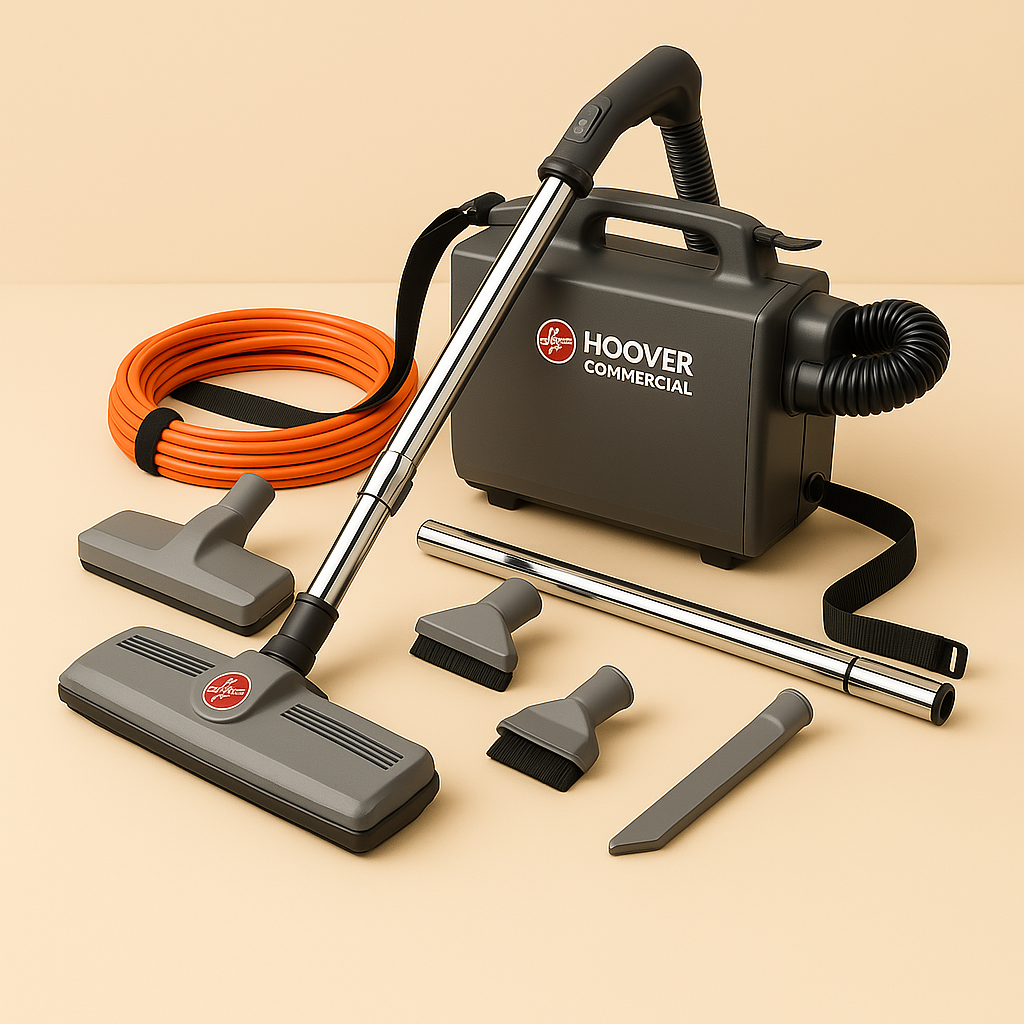
The Hoover PortaPower canister vacuum is a compact, corded, bagged vacuum sold primarily for cleaning hard floors, stairs, upholstery, vehicles, workshops, offices, and other areas where a full-size upright is inconvenient. In the United States, the model most commonly associated with the name is the Hoover Commercial CH30000 PortaPower.
It is best understood as a lightweight utility vacuum rather than a complete replacement for every upright or modern cordless vacuum. Its strengths are portability, a long power cord, hose-and-tool flexibility, and the ability to clean surfaces above the floor. Its limitations include a lack of cordless operation, dependence on replacement bags, and uncertainty about features such as HEPA filtration unless the exact model documentation confirms them.
Before buying or servicing one, check the model number on the rating label. Hoover has used similar product names across different markets and revisions, and included tools, bag types, motor ratings, and warranty terms can vary.

What Is the Hoover PortaPower Canister Vacuum?
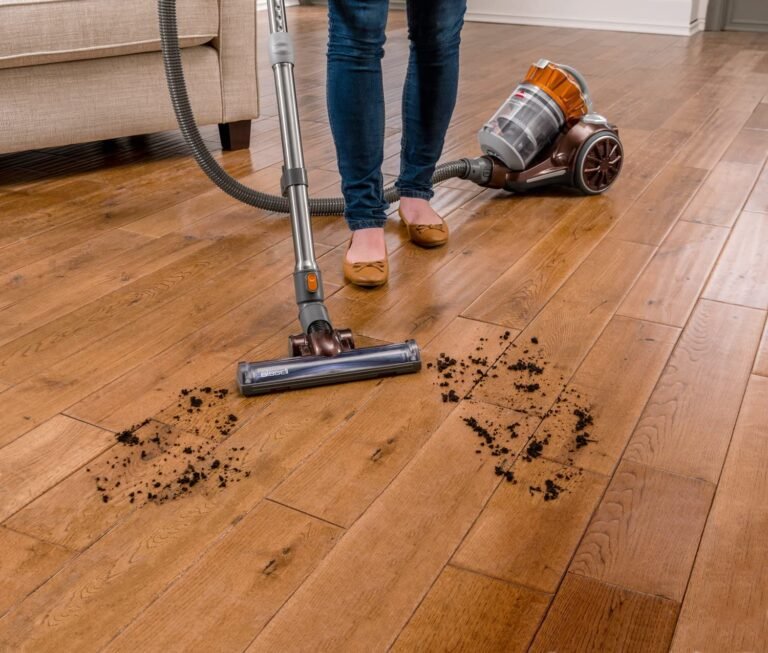
The Hoover PortaPower is a small canister-style vacuum with the motor and dust-collection system housed in a compact body connected to a flexible hose. Instead of pushing the entire vacuum across the floor like an upright, you carry or pull the canister while guiding a floor nozzle or attachment.
The commonly referenced U.S. commercial version, the Hoover CH30000, is a corded, bagged canister vacuum. That design makes it useful for:
- Hard floors and low-pile surfaces
- Stairs and landings
- Upholstery and drapes
- Baseboards, vents, and corners
- Vehicle interiors
- Small offices and commercial areas
- Quick cleanup after light construction or maintenance work, when the material is suitable for the vacuum
A canister vacuum does not automatically provide stronger cleaning than an upright. Its practical advantage is maneuverability. The separate hose and lightweight body make it easier to reach narrow areas, furniture, stair treads, and overhead surfaces.
PortaPower versus regular household canister vacuums
The PortaPower name is often associated with Hoover Commercial products. Commercial positioning generally means the vacuum is designed for frequent utility cleaning and simple operation, not necessarily that it has the filtration, quietness, sealed-system performance, or carpet agitation of a premium residential canister vacuum.
The exact differences depend on the model and package. Do not assume that a commercial label means the machine is certified for hazardous dust, wet pickup, asbestos, lead, or fine construction debris. A standard dry vacuum should not be used for those materials unless the manufacturer specifically documents that application.
Hoover PortaPower Features and Specifications to Check
The most reliable way to identify the vacuum’s capabilities is to read the label and owner’s manual for the exact model. Product listings can combine information from different revisions or accessory packages.
| Feature | What it means in practical use | What to verify |
|---|---|---|
| Corded power | Provides continuous operation without charging | Voltage, plug type, cord length, and automatic cord rewind |
| Bagged collection | Dust is stored in a disposable or reusable bag | Correct bag number, bag availability, and whether the bag is washable or replaceable |
| Canister design | The motor unit stays separate from the cleaning tool | Carry handle, shoulder strap, hose length, and storage method |
| Flexible hose | Supports above-floor and detail cleaning | Hose diameter and replacement compatibility |
| Tool set | Extends cleaning to furniture, crevices, stairs, and hard floors | Which attachments are included with the specific package |
| Commercial construction | May suit frequent basic cleaning | Warranty, service support, noise, filtration, and intended-use limitations |
Does the Hoover PortaPower have a HEPA filter?
Do not assume that every Hoover PortaPower model has HEPA filtration. Some listings may describe filtration generally, while others may refer to optional or replacement filters. A true HEPA claim should be supported by the manufacturer’s documentation for the exact model and filter configuration.
If a household includes someone with significant allergies or asthma, look for documentation about:
- The filter type and replacement number
- Whether the vacuum is a sealed system
- The bag’s filtration rating
- How much dust can escape when changing the bag
- Whether replacement filters remain available
A standard bagged vacuum can reduce direct contact with collected dust, but that alone does not establish HEPA-level filtration or allergen-sealing performance.
How much power does it use?
The electrical rating printed on the vacuum determines its maximum rated current. To estimate energy use, multiply power in kilowatts by operating time:
Estimated energy use = watts ÷ 1,000 × hours of operation
For example, a hypothetical 700-watt vacuum used for 30 minutes would consume approximately:
0.7 kW × 0.5 hours = 0.35 kilowatt-hours
Actual energy use varies with the model, airflow restriction, and operating conditions. The number on the motor label is not the same as a guaranteed cleaning-performance measurement.
How to Use the Hoover PortaPower Correctly
Use the vacuum as a dry-cleaning machine unless the manual specifically states otherwise. Never use a standard PortaPower canister vacuum to collect water or other liquids.
Basic operating steps
- Inspect the vacuum before plugging it in. Check the power cord, plug, hose, bag compartment, and attachments for damage.
- Install the correct bag or dust container. A missing, poorly fitted, or overfilled bag can reduce airflow and allow dust into the motor compartment.
- Connect the hose firmly. The hose should seat securely at the canister inlet without forcing or twisting the connector.
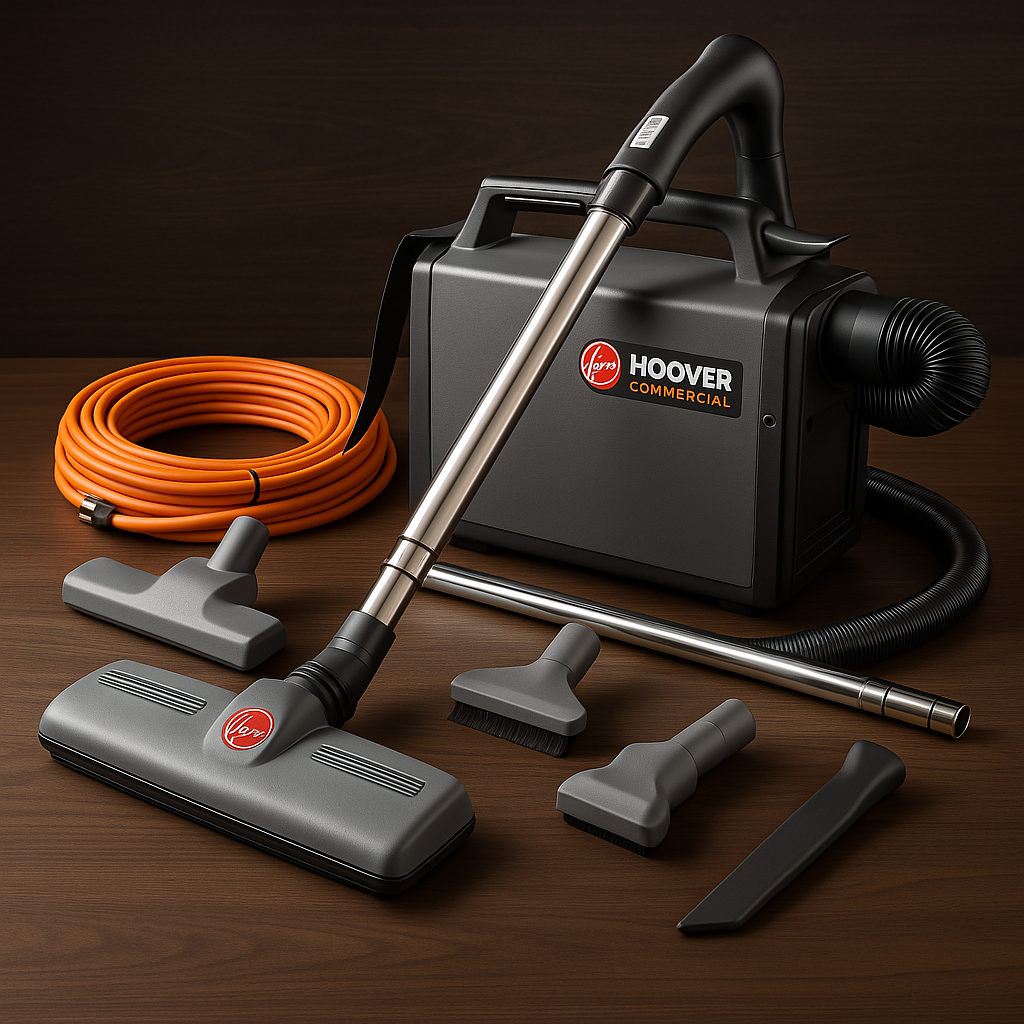
- Choose the correct attachment. Use a floor tool for floors, an upholstery tool for fabric, a crevice tool for narrow gaps, and a soft brush for delicate surfaces.
- Plug the vacuum into a suitable U.S. outlet. Avoid using a damaged extension cord or an undersized cord.
- Turn on the vacuum and begin with low-risk areas. Listen for abnormal rattling, high-pitched noise, or a sudden change in airflow.
- Move the nozzle slowly. Slow passes usually give the airflow more time to lift loose debris than rapid back-and-forth movement.
- Turn the vacuum off before clearing a blockage. Unplug it before reaching into the hose, nozzle, brush, or bag compartment.
- Empty or replace the bag before it becomes packed. Waiting until the vacuum loses substantial suction can strain the motor and make maintenance messier.
Which attachment should you use?
- Floor nozzle: Hard floors and larger flat surfaces
- Crevice tool: Tight gaps beside appliances, seats, baseboards, and cushions
- Upholstery tool: Sofas, chairs, mattresses, and fabric panels
- Dusting brush: Shelves, vents, blinds, and delicate surfaces
- Extension wand: Ceilings, stair risers, high corners, and long-reach cleaning
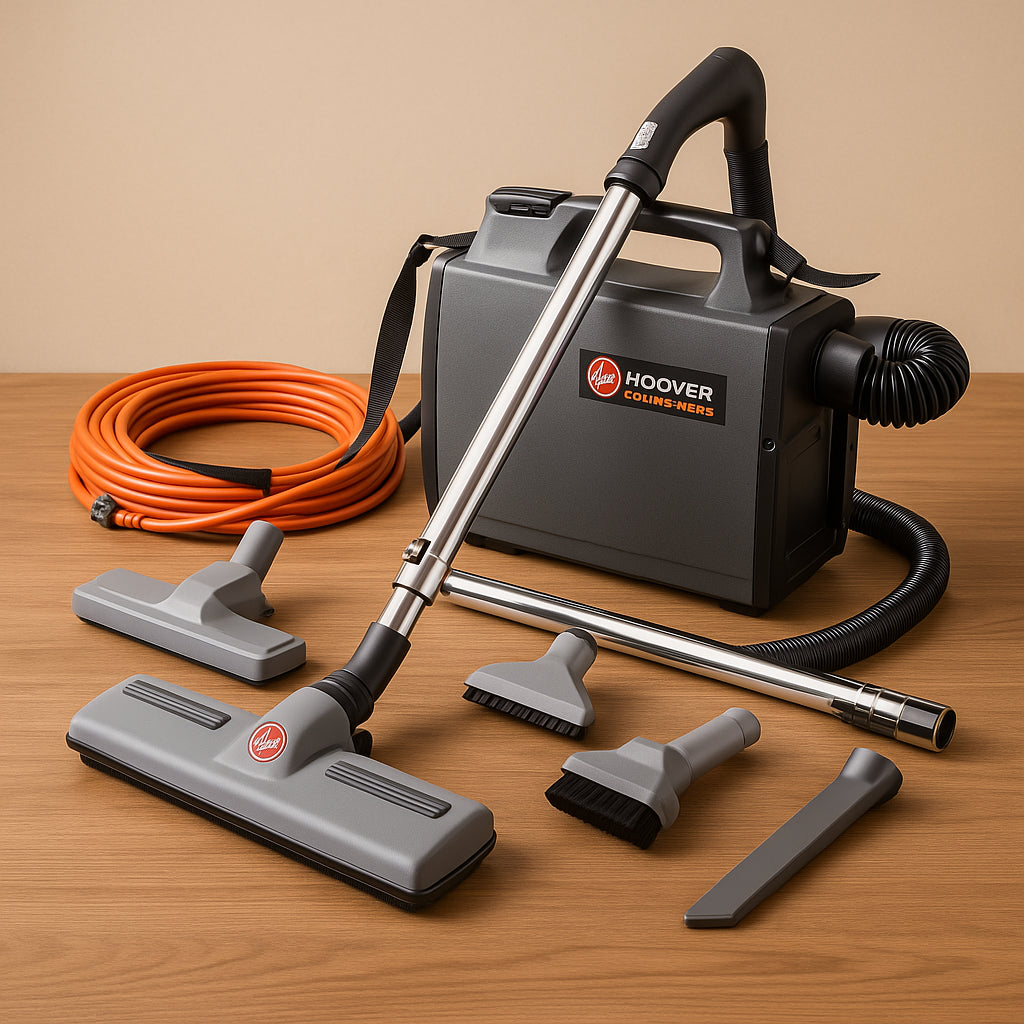
The included tools vary by package, so confirm the accessory list before ordering replacements.
Hoover PortaPower Maintenance and Bag Replacement
Regular maintenance protects airflow and helps prevent dust from reaching the motor. The most important maintenance task is keeping the bag, filters, hose, and nozzles free of restrictions.
Replace the bag when airflow drops
A full bag is a common cause of weak suction. Replace it when:
- The bag appears full or tightly packed
- The vacuum sounds louder than usual
- The floor nozzle no longer picks up ordinary debris
- Airflow remains weak after checking the hose and nozzle
- Dust begins collecting around the bag compartment
Use the bag specified for the exact model. A bag that appears to fit may not seal correctly at the inlet.
Clean or replace filters according to the manual
Some filters are washable, while others must be replaced. Do not wash a filter unless Hoover’s instructions specifically allow it. A damp filter can restrict airflow, develop an odor, or allow moisture into the motor area.
Before reinstalling a washable filter:
- Rinse it using the method specified by the manual.
- Remove excess water without damaging the material.
- Allow it to dry completely.
- Reinstall it in the correct orientation.
Never operate the vacuum without required filters.
Inspect the hose and tools
A partially blocked hose can produce symptoms similar to a failing motor. Disconnect the hose and inspect it from both ends. Check the floor nozzle, wand, and crevice tool for:
- Hair or thread
- Paper or plastic
- Packed dust
- Cracked plastic
- Loose fittings
- Collapsed or split hose sections
Do not push a sharp object through the hose. It can puncture the hose or create a hidden restriction.

Hoover PortaPower Troubleshooting Guide
Troubleshoot from the simplest and safest causes to the more serious ones. Unplug the vacuum before opening the bag compartment or removing a blockage.
| Symptom | Likely causes | First checks |
|---|---|---|
| Vacuum will not start | No power, damaged cord, switch problem, motor fault | Test the outlet, inspect the plug and cord, and stop using it if damaged |
| Weak suction | Full bag, blocked hose, clogged nozzle, restricted filter | Replace the bag and inspect the complete airflow path |
| Loud or high-pitched noise | Air leak, obstruction, loose component, motor wear | Check hose connections, bag seal, nozzle, and filters |
| Burning smell | Belt or motor issue, electrical fault, obstruction causing overheating | Turn it off, unplug it, and allow it to cool; seek service if the smell remains |
| Dust escaping | Incorrect bag, torn bag, missing filter, poor seal | Reinstall or replace the bag and confirm all filters are present |
| Vacuum overheats | Restricted airflow, prolonged operation under blockage, motor fault | Clear restrictions and stop using the machine if overheating continues |
If the vacuum suddenly loses suction
Follow this order:
- Turn off and unplug the vacuum.
- Check whether the bag is full or incorrectly installed.
- Inspect the hose inlet and hose for blockage.
- Check the floor nozzle and wand.
- Inspect and clean or replace the filters as directed.
- Confirm that the hose and bag compartment are sealed.
- Test the vacuum briefly.
If suction remains poor after these steps, the issue may involve an internal seal, motor, electrical component, or damaged hose. Discontinue use if the vacuum produces smoke, sparks, a persistent burning odor, or unusual heat.
If the vacuum will not turn on
Try a known-working outlet and inspect the cord. Do not operate the vacuum with exposed conductors, crushed insulation, a loose plug, or heat damage. A failed switch or motor should be evaluated by a qualified repair provider rather than bypassed.

Is the Hoover PortaPower Good for Your Home or Business?
The PortaPower is a reasonable fit when portability and above-floor cleaning matter more than cordless convenience or advanced carpet technology.
It may be a good fit for:
- U.S. users who want a compact corded vacuum
- Homes with stairs and many hard-to-reach surfaces
- Vehicle-detailing work
- Small offices and maintenance closets
- Users who prefer a bagged vacuum
- Spot cleaning where carrying an upright is inconvenient
- People who value continuous runtime over battery operation
Consider another type of vacuum when:
- You need deep carpet agitation
- You want cordless operation
- You need quiet operation in occupied offices
- Your household requires verified sealed HEPA filtration
- You regularly collect wet debris
- You need certified protection for fine hazardous dust
- You want automatic height adjustment or powered brush-roll cleaning
A full-size upright usually offers a more convenient design for large carpeted areas. A wet/dry shop vacuum is more appropriate for documented wet pickup and heavier workshop debris. A premium sealed canister may be preferable for allergy-focused cleaning if its filtration claims are clearly documented.
Hoover PortaPower Buying and Replacement Checklist
Because model listings can vary, confirm these details before purchasing a new or used Hoover PortaPower:
- Exact model number: Look for CH30000 or the model printed on the rating label.
- Voltage and plug: Confirm that the machine is intended for U.S. electrical service.
- Bag availability: Check the correct replacement bag number and whether bags are still sold.
- Filter availability: A vacuum is less useful if essential filters cannot be replaced.
- Included attachments: Verify whether the hose, floor nozzle, wands, shoulder strap, and small tools are included.
- Condition of used units: Inspect the cord, hose, switch, wheels, bag compartment, and motor sound.
- Return policy: This matters when buying from a marketplace or purchasing an older revision.
- Warranty terms: Commercial and residential warranty coverage may differ.
- Intended material: Confirm that the vacuum is suitable for the debris you plan to collect.
- Total ownership cost: Include bags, filters, shipping, and possible replacement tools.
For an older used unit, a low purchase price does not necessarily mean a low total cost. A missing hose or discontinued filter can cost more to replace than expected.

Common Mistakes to Avoid
Using it for liquids
The Hoover PortaPower should be treated as a dry vacuum unless the exact manual explicitly states otherwise. Liquid can damage electrical parts and create a shock hazard.
Assuming every PortaPower accessory is interchangeable
Hoses, bags, filters, and floor tools may look similar while using different fittings. Match replacement parts to the model number.
Running it with a full bag
A packed bag restricts airflow and can reduce cleaning performance. It may also increase heat buildup around the motor.
Ignoring a burning smell
A burning odor is not normal routine operation. Turn the vacuum off and unplug it. Continued use can worsen a blockage, belt issue, electrical fault, or motor problem.
Using it for hazardous dust
Do not use an ordinary PortaPower for asbestos, lead-contaminated dust, mold remediation, combustible powders, or other hazardous materials unless the exact equipment and procedure are certified for that purpose.
Storing it with a damp filter
A damp filter can restrict airflow and cause odor or internal moisture damage. Follow the manufacturer’s drying instructions before reinstalling it.

Frequently Asked Questions
Is the Hoover PortaPower a true canister vacuum?
Yes. It has a separate canister body connected to a hose and cleaning attachment. Its compact commercial design makes it suitable for above-floor and detail cleaning.
Is the Hoover CH30000 cordless?
No. The commonly referenced Hoover PortaPower CH30000 is a corded vacuum. It does not use a rechargeable battery for normal operation.
Does the Hoover PortaPower use bags?
Yes, the common PortaPower commercial configuration is bagged. Confirm the correct replacement bag for the model because similar-looking Hoover products may use different bags.
Can I use the Hoover PortaPower on carpet?
It can clean some carpeted surfaces with the appropriate tool, but it may not provide the powered brush roll or carpet agitation available on a dedicated upright or carpet canister. Performance depends on the carpet type and attachment.
Can I use it to clean my car?
Yes. Its compact body, hose, and detail attachments can make it useful for vehicle interiors. Use it only for dry debris and keep the nozzle away from liquids and exposed electrical components.
How often should I replace the bag?
Replace the bag when it is full, airflow drops, or the vacuum becomes noticeably louder. The interval depends on debris volume, pet hair, flooring, and bag capacity.
Conclusion
The Hoover PortaPower canister vacuum is a practical U.S. corded utility vacuum for hard floors, stairs, upholstery, vehicles, offices, and detailed cleaning. Its main benefits are a compact canister, flexible hose, continuous corded runtime, and bagged dust collection.
It is not automatically the best option for deep carpet cleaning, allergy-sensitive households, wet debris, or hazardous dust. Before buying, verify the exact model, bag and filter availability, included accessories, electrical rating, and intended use. For an existing unit with weak suction, start with the bag, hose, nozzle, and filters before assuming the motor has failed.

2 Comments