
Introduction
Vacuuming stairs in a U.S. home takes more care than vacuuming a flat floor. Each step is narrow, the edges collect dust, and a full-size vacuum can be hard to control. The safest method is to use a hose, wand, or handheld vacuum while keeping both your footing and the machine secure.
Start at the top of the staircase and work down. Clean each tread, riser, corner, and edge before moving to the next step. Always follow the vacuum maker’s manual, especially for stairs, hard floors, and removable tools.
What You Need Before You Start
Gather the right tools before you vacuum the stairs. This keeps the job smooth and reduces the need to carry equipment while standing on a step.
You may need:
- A vacuum with a hose and crevice tool
- A handheld vacuum
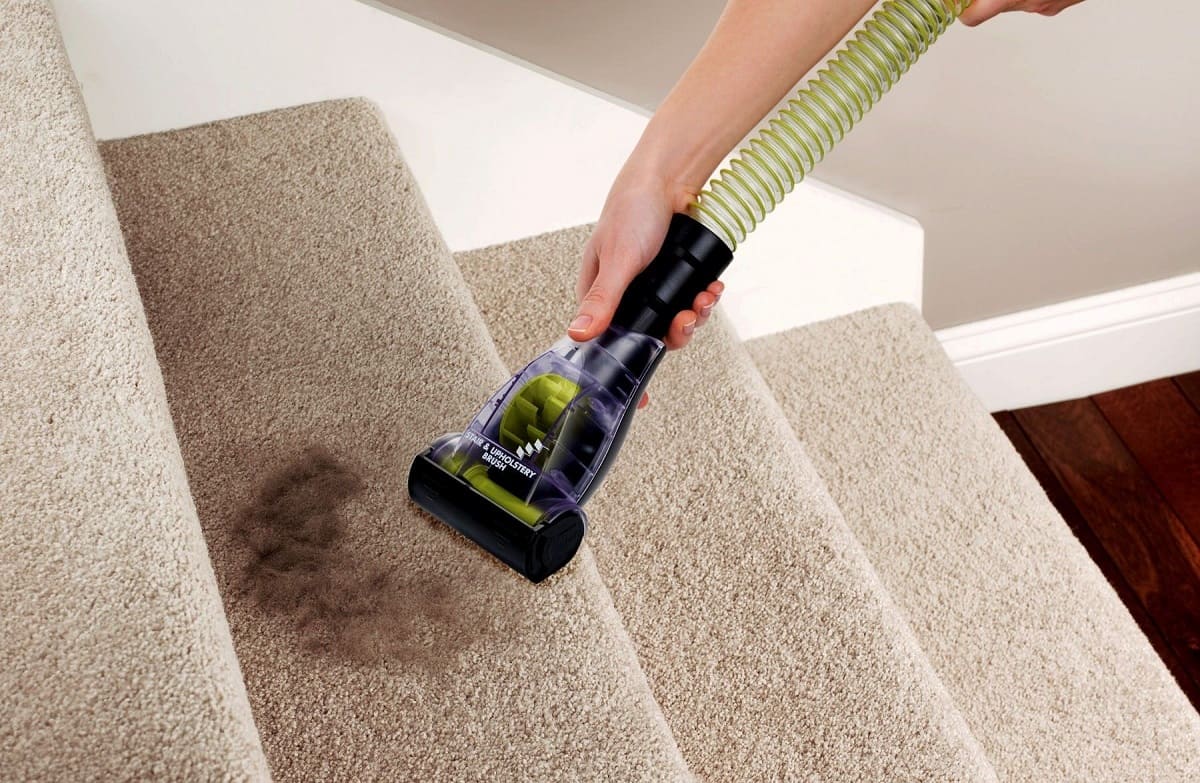
- A stair or upholstery tool
- A soft brush attachment
- An extension hose, if approved for your vacuum
- A microfiber cloth
- A small trash bag
- A flashlight for dark corners
Remove toys, shoes, pet items, and other objects from the stairs first. Pick up large pieces by hand. Vacuuming large items can clog the hose or damage the brush roll.
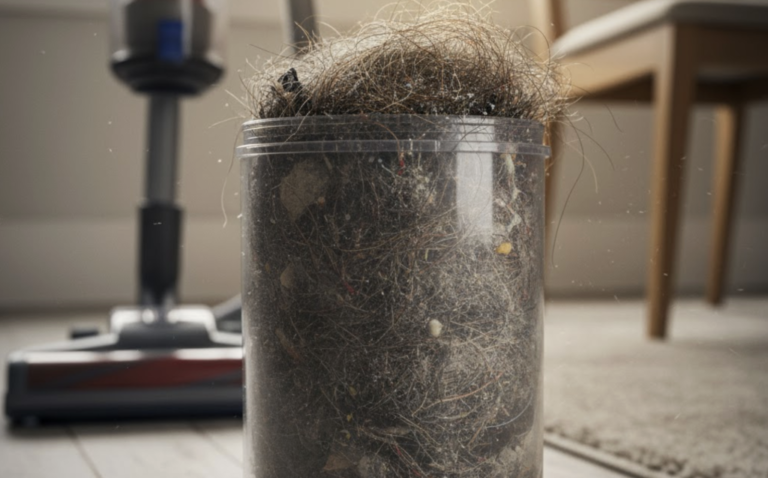
Check the vacuum before use. Empty the dust cup or replace the bag if it is full. Look for a blocked hose, tangled brush roll, or damaged power cord. A vacuum with weak suction will leave grit behind and may make the job harder.
If the stairs have loose carpet, torn runners, broken trim, or damaged flooring, repair those issues before cleaning. A loose edge can catch a vacuum tool or create a trip hazard.
How to Vacuum Carpeted Stairs
The best method for carpeted stairs is to clean from the top step down. Use a light tool that you can control with one hand, and keep the main vacuum body on a stable landing or floor.
Step 1: Start at the top
Stand on the floor or landing above the staircase when possible. Keep one hand free for the handrail. Place the vacuum on a flat surface where it cannot slide toward the stairs.
If the vacuum must sit on a step, place it on a lower step behind you. Do not set it above your feet, where it could fall toward you.
Step 2: Clean the top step
Use the floor head or stair tool on the tread. A tread is the flat part of the step where you place your foot.
Move the tool from the back of the tread toward the front edge. Use slow, short passes. Do not push the vacuum head over the stair edge if doing so could pull the machine or hose.
Clean the full width of the step. Pay special attention to the area near the wall and the side where people often place their feet.
Step 3: Clean the front edge
The front edge of a step is called the nosing. It often holds dust, hair, and grit.
Use a crevice tool or narrow stair tool along the nosing. Keep the tool level with the carpet. Avoid pressing hard, since strong pressure can flatten carpet fibers or catch loose threads.
Step 4: Clean the riser
The riser is the upright face between two treads. Use the upholstery tool, soft brush, or low-suction hose tool on this area.
Work from one side to the other. Check the seam where the riser meets the tread. Dust often gathers in this narrow line.
Step 5: Move down one step at a time
After cleaning one step, move down to the next. Keep the hose behind you or along the side of the staircase. Never leave a loose cord across the step where it can catch your foot.
Repeat the same pattern:
- Tread
- Nosing
- Riser
- Side edges
- Corner seam
This pattern prevents missed spots and keeps the work organized.
Step 6: Finish with the edges
Use a crevice tool along the wall, baseboard, stair skirt, and outer edge. If the stairs have a runner, clean both sides of the runner.
Use a soft brush on painted wood or delicate trim. A hard plastic nozzle can scratch some finishes.
How to Vacuum Hardwood, Tile, and Other Hard Stairs
Hard stairs need a soft cleaning head. A rotating brush or rough nozzle can mark some wood finishes, painted surfaces, and laminate.
Use a vacuum setting made for hard floors when available. If the vacuum has a brush-roll switch, turn the brush roll off unless the manual says it is safe to use.
Work from the top down:
- Remove loose dirt with a soft floor head.
- Use a crevice tool along the back corners.
- Clean the nosing with a soft brush.
- Wipe stuck-on marks with a slightly damp cloth approved for the floor finish.
- Dry the area before walking on it.
Do not spray cleaner directly onto stairs. Extra liquid can seep into wood joints, loosen adhesive, or make the step slippery. Use only products that match the flooring manufacturer’s instructions.
For tile stairs, vacuum grout lines with a soft brush or crevice tool. Do not use a metal nozzle on grout, painted trim, or glazed surfaces.

The Safest Way to Use a Vacuum on Stairs
Safety matters because stairs create a fall risk. The U.S. Consumer Product Safety Commission advises people to keep stairs clear and use care around fall hazards. Vacuuming does not remove the need for a clear handrail and stable footing.
Follow these rules:
- Keep one hand free for the handrail when possible.
- Do not stand on a chair, stool, or box to reach a step.
- Keep the vacuum body on a stable floor or landing when you can.
- Use the hose and a small tool instead of lifting a heavy upright vacuum.
- Keep cords behind you and away from the stair edge.
- Unplug the vacuum before removing a clog or tangled brush.
- Do not vacuum wet areas unless the vacuum is rated for wet use.
- Stop if the stair surface becomes slippery.
- Keep children and pets away while the vacuum is running.
- Do not pull a vacuum up the stairs by its cord.
A corded vacuum may offer strong, steady suction, but the cord can create a trip hazard. A cordless handheld vacuum is easier to carry, but its battery may run out before the stairs are clean. The safest choice depends on the layout of the home and the vacuum’s design.
If you have balance problems, joint pain, poor vision, or a medical condition that affects movement, ask another person to help. A cleaning job is not worth a fall.
Which Vacuum Tool Works Best on Stairs?
The best attachment depends on the stair material and the type of dirt.
| Stair area or problem | Useful tool | Why it helps |
|---|---|---|
| Carpeted tread | Stair or upholstery tool | Covers the surface without the bulk of a floor head |
| Narrow corners | Crevice tool | Reaches seams and edges |
| Pet hair | Upholstery tool or suitable powered brush | Helps lift hair from carpet fibers |
| Painted riser | Soft brush | Reduces the chance of scuffs |
| Hardwood tread | Soft floor head | Helps protect the finish |
| Stair runner | Low-profile floor or stair tool | Fits the narrow carpeted area |
| Dust on trim | Soft dusting brush | Cleans without hard contact |
A powered brush can help with embedded pet hair on carpet. However, do not use one on delicate carpet, loose loops, fringe, or a surface that the vacuum manual excludes.
A hose with a flexible wand is useful on tall or open staircases. The hose should be long enough to reach the next step without pulling the vacuum body toward the edge.

How to Remove Pet Hair and Fine Dust
Pet hair often sticks to carpet because of static and surface texture. Use slow passes rather than fast strokes. A stair tool with gentle agitation may lift more hair than suction alone.
For stubborn hair:
- Vacuum loose debris first.
- Use an approved brush or upholstery tool.
- Work in short sections.
- Empty the dust cup when suction drops.
- Check the tool for wrapped hair.
Do not scrape carpet with a sharp object. Do not use a stiff brush on delicate fibers unless the carpet maker allows it.
Fine dust may come from tracked-in soil, drywall work, fireplace ash, or litter. If the dust came from construction, wear suitable protection and follow cleanup guidance for that material. A regular household vacuum may not be designed for hazardous dust or fine building debris.
Never use a household vacuum for asbestos, lead dust, mold-contaminated material, or other hazardous substances unless the equipment and cleanup method are specifically rated for that use. Contact a qualified cleanup professional when the material may pose a health risk.
How Often Should You Vacuum Stairs?
Vacuum stairs when visible dirt appears and as part of the home’s normal floor-cleaning routine. High-traffic stairs may need cleaning several times per week. A lightly used staircase may need less frequent cleaning.
Use these factors to set a schedule:
- Number of people in the home
- Pets and shedding level
- Outdoor soil and weather
- Whether shoes are worn indoors
- Carpet color and pile
- Use of the staircase
- Presence of children or allergy concerns
A simple routine works well:
- Quick clean: Remove visible crumbs and hair.
- Weekly clean: Vacuum treads, risers, edges, and corners.
- Seasonal clean: Check the runner, trim, carpet edges, and hard-to-reach areas.
Vacuuming removes loose dirt, but it does not replace carpet care or floor maintenance. Follow the flooring maker’s instructions for deep cleaning and stain removal.
What to Do When the Vacuum Does Not Clean Well
Weak results usually come from a blocked tool, full dust container, wrong setting, or poor contact with the surface.
Check these causes in order:
The vacuum has weak suction
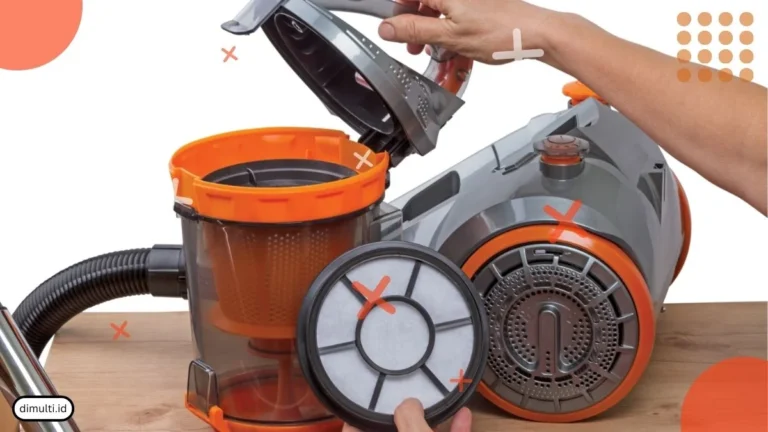
Empty the dust cup or replace the bag. Then inspect the hose, wand, filter, and tool opening. Clean or replace filters only as the manual directs.
The brush roll is tangled
Turn off and unplug the vacuum before clearing hair or thread. Remove only parts that the manual says are user-serviceable.
Dirt remains in the corners
Switch to a crevice tool. Floor heads often cannot fit into the seam between the tread and riser.
The tool leaves marks
Use less pressure and switch to a softer attachment. On hard stairs, turn off the brush roll if the vacuum allows it.
The vacuum is hard to control
Keep the main unit on a landing or lower floor. Use a hose or handheld vacuum. If the machine still pulls or tips, stop using it on the stairs.
The vacuum smells hot
Turn it off and unplug it. Check for a blockage, full filter, or tangled brush roll after the unit cools. Stop using the vacuum if the smell continues, the cord is damaged, or the machine makes an unusual sound.

Common Mistakes to Avoid
Avoid these habits when cleaning stairs:
- Using a full upright vacuum on every step: It may be too heavy and hard to control.
- Starting at the bottom: Falling dirt can land on cleaned steps.
- Skipping the risers: Dust can build up on the upright surfaces.
- Ignoring the nosing: The front edge collects grit and hair.
- Dragging the cord across the steps: This creates a trip hazard.
- Using a hard nozzle on wood: It can scratch the finish.
- Pressing too hard on carpet: It can flatten fibers and damage loose loops.
- Vacuuming wet spills: Moisture can damage the machine unless it is made for wet pickup.
- Cleaning with a full filter or bag: Reduced airflow can lower suction and stress the motor.
- Standing on furniture: It greatly increases the chance of a fall.
If a stair runner has loose threads or fringe, keep the vacuum away from those parts unless the attachment is designed for them. Pulling a thread can unravel the runner.
A Simple Stair-Vacuuming Checklist
Use this checklist each time:
- Remove objects from the stairs.
- Check the vacuum, cord, hose, filter, and brush roll.
- Empty the dust cup or replace the bag.
- Start at the top.
- Keep the vacuum body stable.
- Clean each tread.
- Clean each nosing and riser.
- Vacuum side edges and corner seams.
- Use a soft tool on hard flooring and trim.
- Keep cords away from your feet.
- Unplug the vacuum before clearing jams.
- Check the stairs for leftover hair, grit, or slippery spots.
The stairs are clean when the treads feel free of grit, the edges show no loose dust, and the risers and corners look clear. If dirt remains, change the tool or clean the vacuum rather than making faster passes.
FAQs About Vacuuming Stairs
Should I vacuum stairs from the top or bottom?
Start at the top and move down. This prevents loose dust from falling onto steps you already cleaned. It also lets you keep the vacuum on a higher landing or floor while you work.
Can I use a regular vacuum cleaner on stairs?
You can use a regular vacuum if the manufacturer allows stair use and the machine can be controlled safely. In many cases, the hose, wand, stair tool, or handheld mode is safer than carrying the full vacuum onto each step.
How do I vacuum stairs without a hose?
Use a handheld or cordless vacuum with a stair, upholstery, or crevice tool. Work from the top down and keep one hand free for the handrail. If the handheld vacuum cannot reach the corners, use a soft brush or cloth after vacuuming.
How do I vacuum carpeted stairs with a runner?
Clean the runner with a suitable floor or stair tool. Vacuum along both sides, the front edge, and the seam between the runner and stair. Avoid fringe and loose edges unless the tool is designed for them.
How do I clean stairs with pet hair?
Use slow passes with an approved upholstery tool or powered brush. Empty the dust cup often and remove wrapped hair from the tool. Use less agitation on delicate or looped carpet.
Why do my stairs still look dirty after vacuuming?
The vacuum may have a full bag, blocked filter, clogged tool, or wrong floor setting. Dirt may also be stuck in the carpet. Check the vacuum first, then use a suitable brush tool for embedded hair and debris.
Key Takeaways
- Vacuum stairs from the top down.
- Use a hose, wand, stair tool, or handheld vacuum when possible.
- Clean the tread, nosing, riser, edges, and corners.
- Keep the vacuum stable and one hand available for the handrail.
- Use soft tools on hardwood, painted trim, and delicate surfaces.
- Unplug the vacuum before clearing a clog or tangled brush.
- Stop and get help if the staircase, vacuum, or your footing is unsafe.
Conclusion
The safest way to vacuum stairs is to use a small, controlled attachment and clean one step at a time from the top down. Focus on the tread, front edge, riser, and side seams. Keep the vacuum stable, manage the cord, and match the tool to the stair material.
For your next cleaning session, clear the steps, check the vacuum, choose the right attachment, and begin at the top landing.
2 Comments