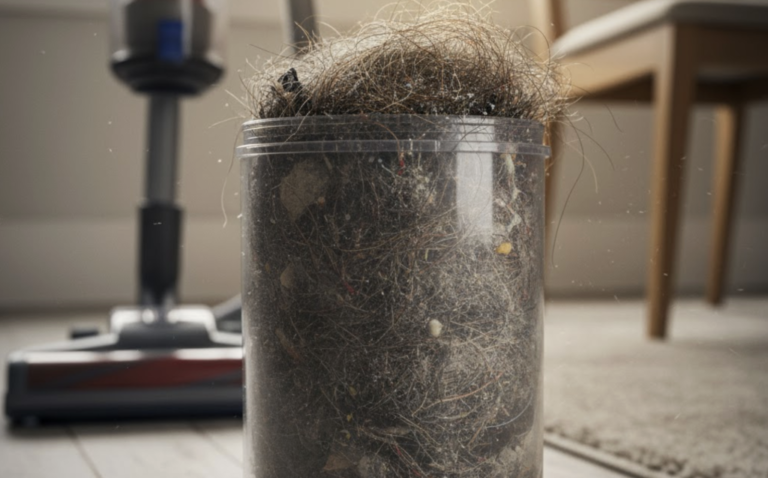
A dirty vacuum hose can cause weak suction, bad smells, loud noise, and dust blowing back into your home. In U.S. homes, pet hair, carpet lint, crumbs, and fine dust often collect inside the hose or at its bends.
To clean a vacuum hose, unplug the vacuum, remove the hose if the manual allows it, clear the clog, wash only a washable hose, and let every part dry fully before reconnecting it. Never put a wet hose back on a powered vacuum.

What You Need Before Cleaning a Vacuum Hose
Gather these simple items before you begin:
- The vacuum owner’s manual, if available
- A trash bag or waste bin
- A soft cleaning brush
- A long, flexible bottle brush or hose brush
- A microfiber cloth
- Warm water
- A small amount of mild dish soap
- A sink, bathtub, or large basin
- A flashlight
- A clean towel
You may also need a blunt broom handle or a straight length of flexible tubing to push out a clog. Do not use a sharp coat hanger, screwdriver, or metal rod. Sharp tools can puncture the hose and create an air leak.
Check the manual before adding water. Some vacuum hoses are washable, while others contain electrical contacts, control wires, or sensors. A hose with buttons, wiring, or an electrical connection should usually be cleaned with a dry or slightly damp cloth only.
How to Clean a Vacuum Hose Step by Step
Follow these steps to clean most removable vacuum hoses. If your vacuum has a sealed hose or a hose with electrical parts, use the dry-cleaning method in the next section instead.
1. Unplug the vacuum
Turn off the vacuum and remove its plug from the wall outlet. For a cordless vacuum, remove the battery if the design allows it.
This step prevents the motor from starting while you work. It also protects you from moving brush parts and electrical hazards.
2. Remove the hose
Detach the hose from the vacuum body, wand, floor head, or handle. Some hoses twist off. Others have release buttons or locking tabs.
Take a quick photo before removal if the hose has several connections. This makes it easier to reconnect the parts correctly.
3. Check the hose for damage
Look for:
- Splits or cracks
- Flattened sections
- Loose cuffs
- Damaged seals
- Holes near the ends
- Broken electrical contacts
A cracked hose may look clean but still cause poor suction. Air enters through the crack instead of moving through the vacuum head.
4. Find the clog
Hold the hose up to a light. Look through both ends if the hose is clear enough.
You can also gently flex the hose. A hard lump, rattling sound, or heavy section may point to a blockage. Check the hose ends first because hair, paper, socks, and toy parts often stop there.
5. Remove loose debris
Shake the hose over a trash bag. Tap it gently with your hand.
If the clog remains, use a long, blunt, flexible tool. Push from the wider end toward the narrower end when possible. Do not force a blockage deeper into the hose.
For a central clog, work slowly from both ends. Stop if the hose bends sharply or the tool meets strong resistance.
6. Wash the hose only if the manual permits it
If the hose is washable:
- Rinse it with warm water.
- Add a small amount of mild dish soap.
- Hold one end closed and let soapy water move through the hose.
- Use a soft hose brush for stuck dust or pet hair.
- Rinse until the water runs clear.
- Shake out excess water.
Avoid bleach, drain cleaner, ammonia, solvents, and strong disinfectants. These products can damage rubber, plastic, seals, or nearby finishes.
7. Dry the hose completely
Hang the hose over a shower rod, drying rack, or sturdy outdoor line. Keep both ends open so air can move through it.
Allow the hose to dry fully before reconnecting it. Drying time varies with hose thickness, humidity, and airflow. A thick hose may need a full day or longer.
Do not use a clothes dryer, heat gun, or high-heat hair dryer. Heat can warp plastic and weaken flexible sections.
8. Clean the hose ends and connections
Wipe the cuffs, seals, and connection points with a damp microfiber cloth. Remove hair and dust from grooves.
A poor connection can cause the same symptoms as a clog. Make sure each part clicks, twists, or locks into place.
9. Reconnect and test the vacuum
Reconnect the dry hose. Check that it is not twisted, crushed, or stretched.
Run the vacuum for a short time. Listen for unusual sounds and check whether suction has improved. Test suction at the hose opening and then at the floor head.
A successful cleaning should produce stronger airflow, less noise, and fewer changes in motor pitch.
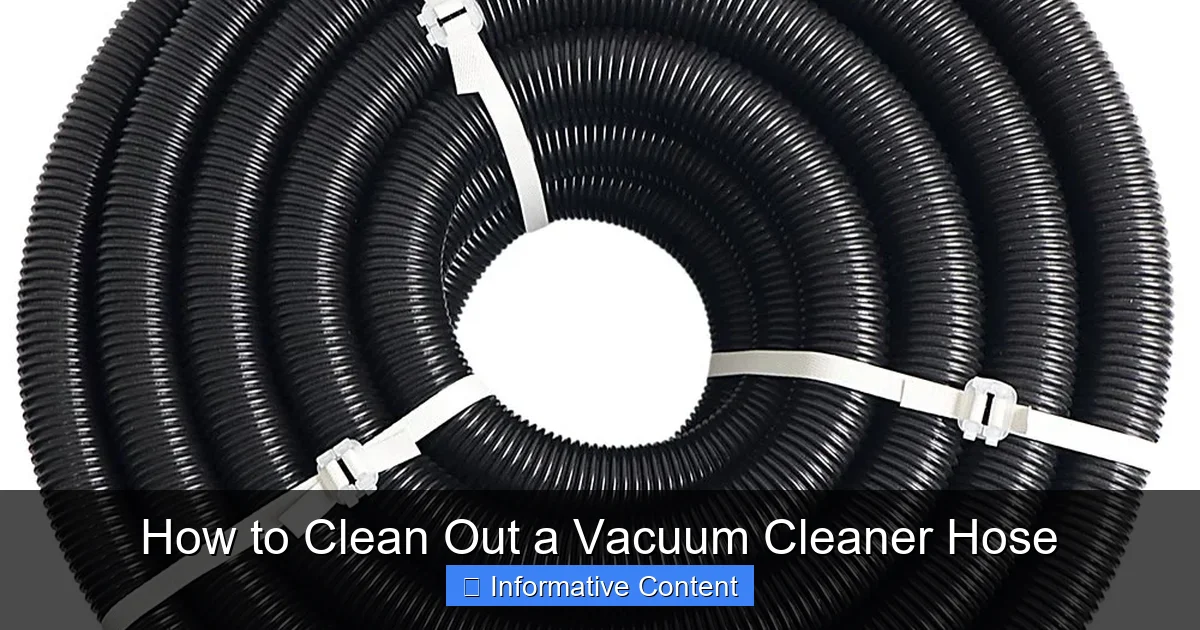
How to Clean a Vacuum Hose Without Water
Do not wash a hose if it has electrical contacts, controls, wiring, or a sensor. Many powered brush hoses fall into this group.
Use this dry method instead:
- Unplug the vacuum.
- Remove the hose if the manual allows removal.
- Shake out loose dirt.
- Use a soft, dry brush to clean the opening.
- Push out clogs with a blunt, flexible tool.
- Wipe the outside with a slightly damp cloth.
- Keep moisture away from contacts and connectors.
- Let the hose air-dry if the outside becomes damp.
- Reattach it only when all connections are dry.
A vacuum hose may appear to be a simple tube, but some models carry power from the main unit to a powered floor head. Water inside these parts can cause corrosion, short circuits, or later failure.
When you are unsure, treat the hose as non-washable. Dry cleaning is the safer choice.

How to Remove a Stubborn Clog
A stubborn clog often sits where the hose narrows or where it joins the wand. Start with the safest methods and increase effort slowly.
Use airflow in the reverse direction
If your vacuum model has a blower function, the manual may allow you to use it to push air through the hose. Wear eye protection and work outdoors or in a well-ventilated area because dust may come out quickly.
Do not use this method unless the vacuum is designed for blower use. Never force air into a sealed vacuum system that is not made for it.
Use a flexible hose brush
A hose brush can loosen hair, lint, and fine debris along the inner wall. Choose a brush that fits without scraping or stretching the hose.
Move the brush gently. Pull it back out rather than pushing it through a bend with force.
Check nearby parts
The blockage may not be inside the hose. Inspect these areas:
- Wand
- Floor nozzle
- Brush roll opening
- Dirt bin inlet
- Bag collar
- Cyclone inlet
- Hose connector
A clog in the floor head can make the hose seem blocked. Clear each section separately.
Know when to stop
Stop if you see a split, smell burning, hear electrical arcing, or feel the hose heating up. A motor that runs with poor airflow may also become hot.
If the clog will not move, a vacuum repair shop or the manufacturer’s service department can help. Do not cut the hose unless you have confirmed that the part is replaceable and the repair method is approved for that model.
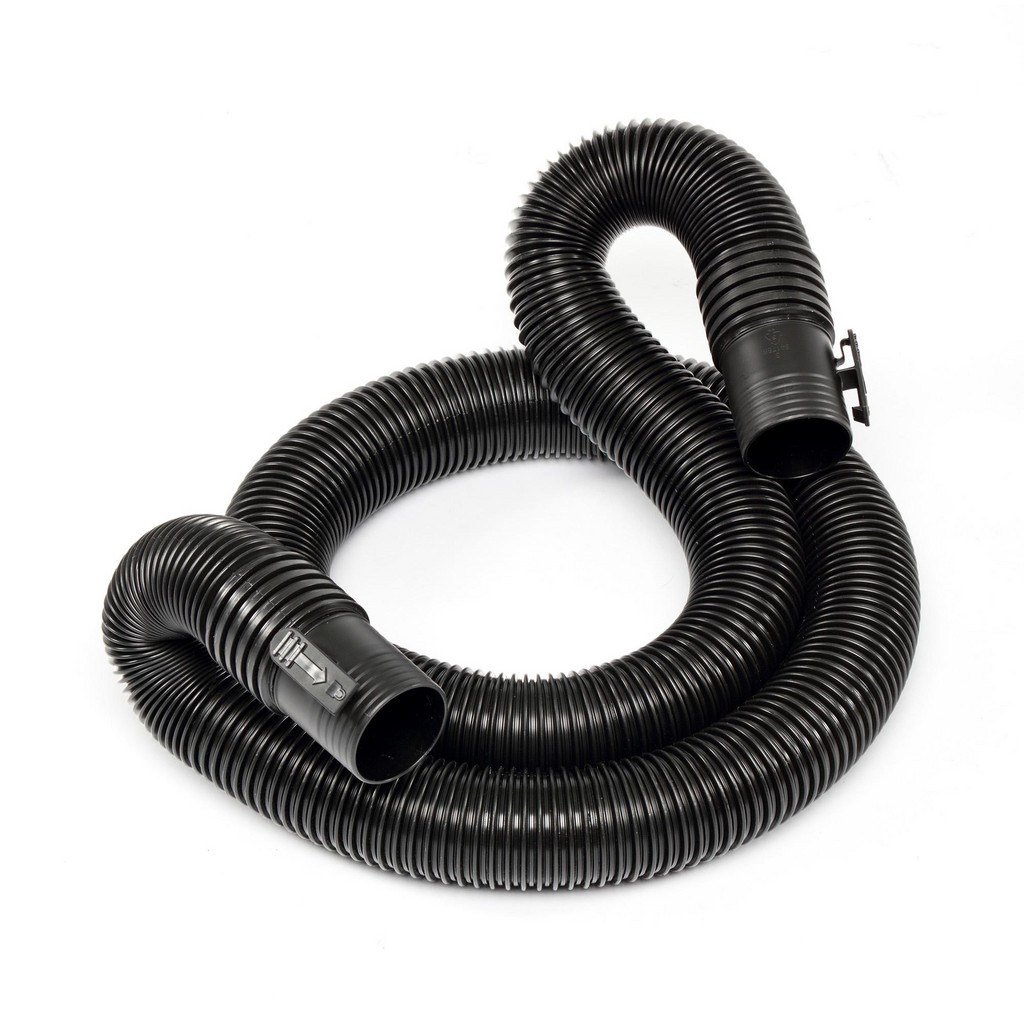
What to Do If the Vacuum Still Has Weak Suction
If cleaning the hose does not restore suction, check the full airflow path. A hose is only one part of the system.
| Symptom | Likely cause | Safe next check |
|---|---|---|
| Weak suction at the hose opening | Full bag, dirt bin, filter, or internal clog | Empty the bin or replace the bag; check filters |
| Strong hose suction but poor floor cleaning | Clogged nozzle or worn brush roll | Clean the floor head and inspect the brush roll |
| Suction changes when the hose bends | Crack, split, or loose seal | Inspect the hose while flexing it gently |
| Vacuum becomes hot or shuts off | Blockage, dirty filter, or motor protection | Turn it off, unplug it, and let it cool |
| Loud whistling sound | Air leak or poor connection | Check cuffs, seals, and cracks |
| Bad smell after cleaning | Wet parts, trapped debris, or an overheated belt | Stop use and inspect before running again |
Replace or clean filters according to the owner’s manual. A clogged filter can restrict airflow even when the hose is clear.
Some vacuums use a thermal cut-off that stops the motor when it becomes too hot. Let the vacuum cool before checking it. If it shuts off again, do not keep restarting it. The unit may need service.
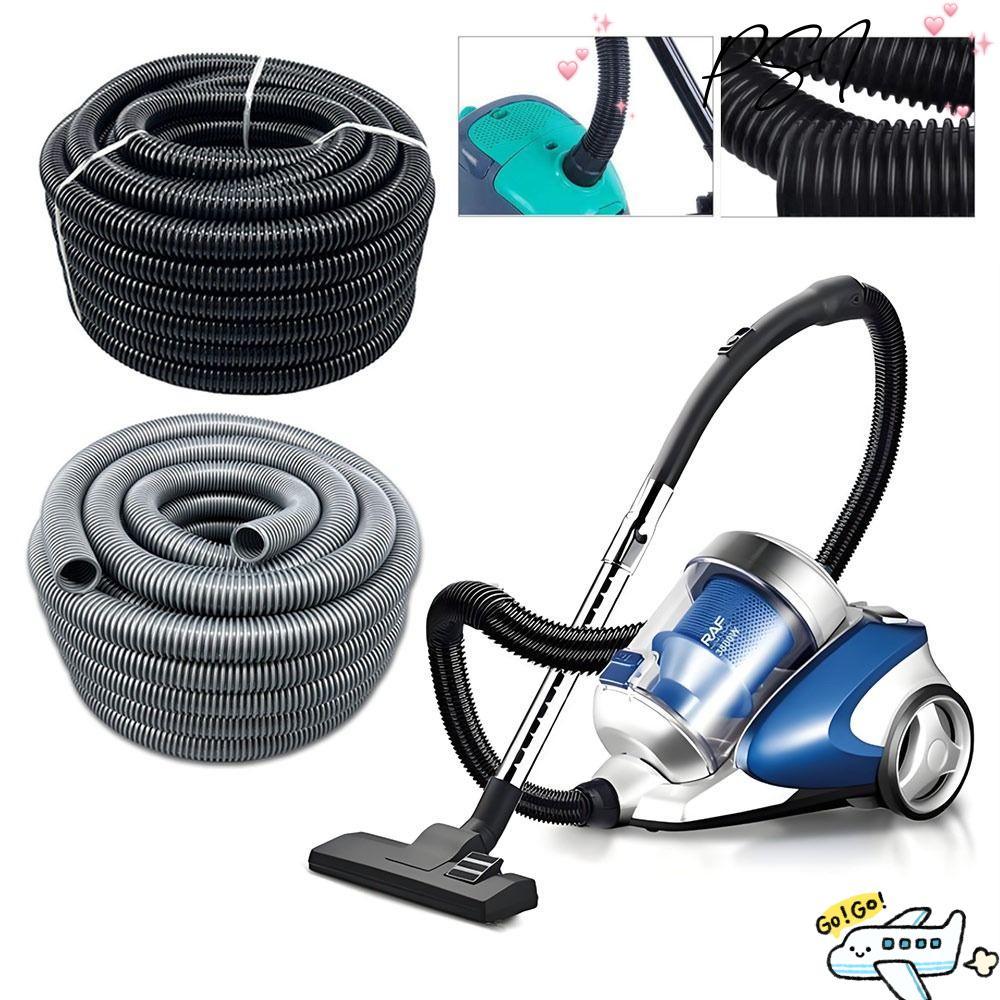
When Should You Replace a Vacuum Hose?
Cleaning can remove dirt, but it cannot repair every hose problem. Replace the hose when it has:
- A visible hole or split
- A crushed section that will not return to shape
- Loose ends that no longer seal
- Damaged electrical contacts
- A strong chemical or burnt smell that remains
- A leak that causes constant weak suction
To confirm a leak, inspect the hose while the vacuum is off. Do not place fingers near a powered opening or moving brush roll.
Use the exact replacement part listed for your vacuum model when possible. Hose size, connector shape, electrical contacts, and locking points can differ even between similar models.
A temporary repair with tape may reduce airflow loss for a short time, but it is not a reliable long-term fix. Tape can loosen, leave residue, or fail when the hose flexes.
Common Mistakes to Avoid
Avoid these mistakes when cleaning a vacuum hose:
- Washing every hose: Some hoses contain wires or electrical contacts.
- Using hot water: Heat can soften or warp plastic.
- Reconnecting a damp hose: Moisture can damage the vacuum and encourage odor.
- Using sharp tools: Sharp edges can create hidden leaks.
- Forcing a clog: Excess force may split the hose or push debris deeper.
- Ignoring the filters: A clean hose cannot fix a blocked filter.
- Running the vacuum with a known clog: Restricted airflow can overheat the motor.
- Using harsh chemicals: Strong cleaners may damage rubber and seals.
- Pulling the vacuum by its hose: This can stretch the hose and loosen its fittings.
- Skipping the owner’s manual: Model-specific instructions may change what is safe.
The safest cleaning method is the least aggressive method that removes the debris.

How Often Should You Clean a Vacuum Hose?
Inspect the hose every few months and whenever suction drops. Homes with pets, children, remodeling dust, or heavy carpet use may need more frequent checks.
Clean the hose when you notice:
- Reduced suction
- A new rattling or whistling sound
- Dust escaping from a connection
- A musty smell
- Debris backing up into the floor head
- The vacuum shutting off from heat
Light inspection takes only a few minutes. Regular checks can catch a clog before it restricts airflow or strains the motor.
Keep large objects, wet debris, ash, fine construction dust, and liquids out of a standard household vacuum unless the vacuum is designed for that material. A wet/dry vacuum has different limits from a typical upright, canister, or stick vacuum.

Frequently Asked Questions
Can I put my vacuum hose in the bathtub?
Only if the owner’s manual says the hose is washable. If the hose has electrical contacts, switches, or wires, keep it dry. When washing is allowed, rinse the hose and dry it completely before use.
Can I use vinegar to clean a vacuum hose?
Mild dish soap and warm water are usually the safer choices when washing is permitted. Vinegar may affect some materials or seals, and it does not replace proper clog removal. Follow the vacuum maker’s instructions.
Why does my vacuum hose smell bad?
The smell may come from trapped hair, food, damp debris, a dirty filter, or an overheated belt. Remove the clog, clean washable parts, replace filters as directed, and let all wet parts dry fully.
Can I use a broom handle to clear the hose?
You can use a smooth, blunt handle only if it fits without force. Do not use a pointed or rough tool. Push gently from the wider opening and stop if the hose bends or resists.
Is a clogged hose dangerous?
A clog can restrict airflow and make the vacuum motor run hot. Turn the vacuum off and unplug it before clearing the blockage. If you smell burning, see smoke, or the vacuum repeatedly overheats, stop using it and seek qualified repair help.
Final Takeaway
The best way to clean a vacuum hose is to unplug the vacuum, remove loose debris, clear clogs with a blunt tool, and wash the hose only when the manual approves it. Dry every part completely, check the filters and floor head, and replace a hose that leaks or has electrical damage.
Start with a flashlight and a gentle inspection. Most hose problems are easier to fix before a small clog becomes a full airflow blockage.