
Most U.S. homes with pets should be vacuumed two to three times a week. Vacuum high-traffic areas, pet beds, and favorite resting spots more often if needed.
Homes with heavy shedding, several pets, carpets, children, or allergy concerns may need daily spot cleaning and full vacuuming four to seven times a week. Homes with one low-shedding pet may need only once or twice a week.
This guide uses “petshow” to mean vacuuming in a home with pets. If Petshow is a specific vacuum brand or model, follow its manual for filters, brushes, and safe use.
Introduction
Pet hair is only part of the mess. Pets also bring in dust, pollen, soil, dander, and small bits of litter. These particles can settle in carpet, rugs, furniture, and floor gaps.
A good schedule depends on your pet, floor type, home size, and family needs. The goal is not to vacuum by the clock. The goal is to remove buildup before it spreads or becomes hard to lift.
The American Lung Association and the U.S. Environmental Protection Agency support regular cleaning and careful dust control for people who have allergies or asthma. Vacuuming can help, but it may also stir up dust if the machine leaks or the filter is full.

How Often Should You Vacuum With Pets?
For most pet homes, vacuum two or three times per week. Focus first on rooms where your pet sleeps, eats, plays, or spends the most time.
Use this simple guide:
| Home situation | Suggested vacuum schedule |
|---|---|
| One low-shedding pet and hard floors | 1–2 times per week |
| One shedding dog or cat | 2–3 times per week |
| Several pets | 3–5 times per week |
| Heavy shedding season | Daily or every other day |
| Carpets with pets | 3–5 times per week |
| Pet allergies or asthma in the home | Daily high-use areas; full vacuuming 2–4 times per week |
| Pet accidents or tracked dirt | Clean the spot at once |
These are starting points, not strict rules. If you can see hair, smell pet odors, or feel grit under your feet, your current schedule is too light.
Daily spot cleaning
Daily cleaning does not mean vacuuming every inch of the house. A quick pass may be enough in:
- Entryways
- Around food and water bowls
- Pet beds
- Stair treads
- Sofas and chairs
- Litter box areas
- Favorite nap spots
A cordless vacuum, hand vacuum, or soft brush can make this task take only a few minutes.
Weekly deep vacuuming
Once a week, move light furniture and clean under it. Use the right tool for each surface. Run the vacuum slowly over carpets, rugs, baseboards, and upholstered furniture.
Slow passes work better than fast passes. A quick sweep may leave hair deep in the carpet.

What Changes Your Vacuuming Schedule?
The right schedule changes most with shedding, traffic, flooring, and health needs.
Pet coat and shedding
Dogs and cats shed at different rates. Some shed year-round. Others shed more during seasonal coat changes. Long hair often becomes visible sooner, but short hair can work deep into fabric and carpet.
Brush your pet as recommended by a groomer or veterinarian. Regular brushing can reduce loose hair in the home, but it will not remove the need to vacuum.
Number of pets
Two pets do not always create twice the work. Still, more animals usually mean more hair, dander, soil, and traffic.
A useful rule is to add one extra cleaning pass when you add a pet. Then adjust based on what you see.
Floor type
Hard floors show fur quickly, but they are often easier to clean. Carpet can hold hair, dander, dust, and outdoor grit below the surface.
You may need to vacuum carpet more often than sealed wood, tile, or vinyl. Check the care instructions for delicate rugs and flooring.
Children and allergy needs
Children often spend time on floors. They may also touch their faces after playing with pets. If someone in your home has pet allergies or asthma, reduce dust in bedrooms and other high-use rooms.
The American College of Allergy, Asthma & Immunology recommends steps such as keeping pets out of bedrooms for people with pet allergies. Vacuuming helps remove settled particles, but it does not remove the source of the allergen.
If symptoms continue, speak with a health professional. Do not rely on cleaning alone to manage breathing problems.

A Practical Vacuuming Routine for Pet Homes
A simple routine works better than waiting until every room looks dirty.
Before you vacuum
- Pick up toys, bowls, cords, and small objects.
- Remove large clumps of hair by hand or with a rubber broom.
- Check the vacuum bin or bag.
- Make sure the filter is fitted correctly.
- Open a window only if outdoor pollen and air quality allow it.
Large hair clumps can clog some vacuum heads. A quick pickup first can help the machine maintain airflow.
Vacuum in the right order
Start with rooms that need the most attention. Work from clean areas toward dirtier areas. If you vacuum several floors, start upstairs and work down.
Use slow, straight passes. Overlap each pass slightly. On carpet, change direction on a second pass when hair is packed into the fibers.
Clean:
- Open floor areas
- Under tables and beds
- Along walls
- Stairs
- Rugs
- Pet beds
- Upholstered furniture
- Entry mats
Do not use a floor vacuum on wet messes unless the manual says it is designed for wet pickup.
After vacuuming
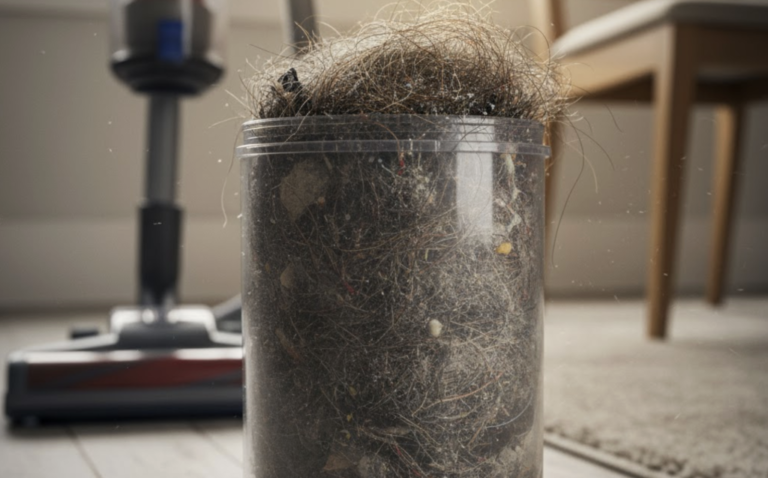
Empty the bin or replace the bag when it reaches the maker’s fill line. Wash only filters marked as washable. Let them dry fully before putting them back.
Inspect the brush roll for wrapped hair. Turn off and unplug a corded vacuum before clearing a blockage. For a cordless model, remove the battery if the instructions allow it.
A fresh filter and clear brush roll help maintain suction. They do not make a weak or damaged vacuum powerful again.

Should You Vacuum Every Day With Pets?
Daily vacuuming is useful when your home has heavy shedding, several pets, allergies, or lots of carpet. It is not necessary for every household.
Daily cleaning is most helpful in high-use zones. You can often skip quiet rooms if they stay clean and no one has symptoms there.
Try this lighter daily plan:
- Vacuum the entryway.
- Clean around pet beds.
- Pick up hair from furniture.
- Clean under food bowls.
- Spot-clean visible fur.
- Do a full vacuum every few days.
Daily vacuuming may become counterproductive if it damages a delicate rug or causes you to skip filter care. Always use the correct setting and attachment for the surface.
How to Vacuum Pet Hair More Effectively
Vacuuming works best when you match the tool to the hair and surface.
For carpet
Use a powered brush roll if the carpet maker and vacuum maker allow it. Move slowly. Give extra passes to corners, stairs, and places where your pet rests.
Do not press down hard if it blocks airflow. Let the brush roll do the work.
For hard floors
Use a hard-floor setting that reduces brush contact when possible. A soft roller or bare-floor head can help collect hair without scattering it.
Avoid sweeping dry hair into the air. A vacuum with good floor contact may trap more fine debris.
For furniture
Use an upholstery tool or pet-hair tool. Test it on a hidden area first. Some stiff tools can pull threads or mark delicate fabric.
For heavy buildup, loosen hair with a slightly damp rubber glove or pet-hair tool before vacuuming. Do not wet the furniture unless its care label allows it.
For pet beds
Follow the bed’s washing instructions. Shake washable covers outdoors only when local rules and air conditions make that practical. Vacuum the bed area after removing the cover.
Do not vacuum loose bedding, foam, or small pieces unless the product instructions allow it. Some materials can clog the machine.
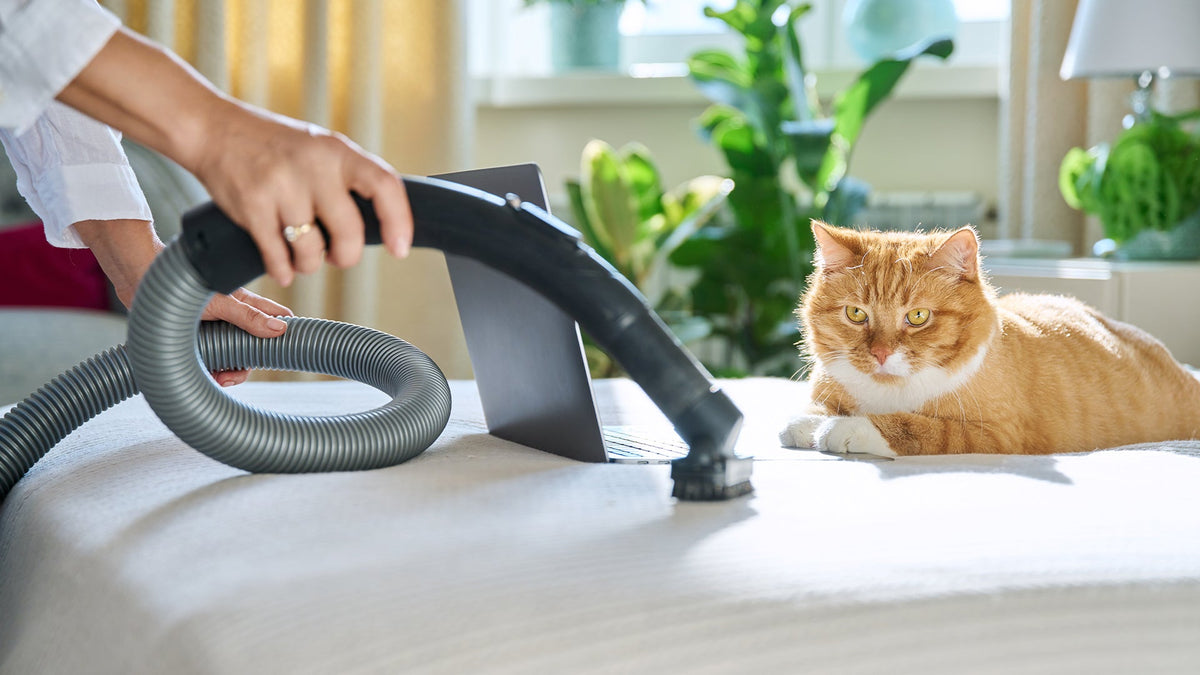
Do You Need a HEPA Vacuum for Pet Hair?
A HEPA vacuum can help reduce fine airborne particles, but HEPA does not automatically mean the vacuum removes all pet allergens.
The EPA describes HEPA filters as filters that capture at least 99.97% of tested particles at 0.3 microns under specified conditions. Real-world results also depend on the vacuum’s seals, filter fit, airflow, and how you use it.
When shopping for a vacuum for a pet home, look for:
- A sealed or well-sealed filtration system
- A replaceable or washable filter
- A brush roll that can be cleaned
- Strong airflow at the floor head
- A design made for your floor type
- Easy access to parts that collect hair
- Clear instructions for filter care
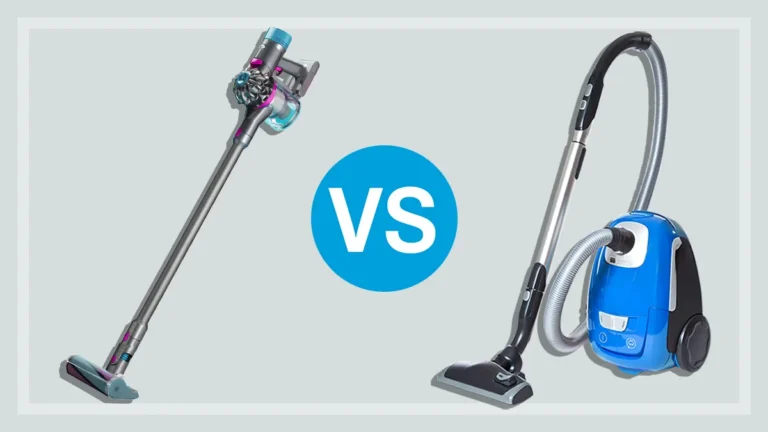
A bagged vacuum can reduce contact with dust during disposal. A bagless vacuum may cost less to operate, but emptying its bin can release dust. Empty it outdoors if possible.
No vacuum removes every allergen from a home. Washing pet bedding, cleaning soft furniture, and keeping pets out of sleeping areas may also help.

Common Vacuuming Mistakes in Homes With Pets
Avoiding a few common mistakes can improve results.
Waiting until hair is visible
Fine dander and dust may build up before you see them. A regular schedule works better than cleaning only when floors look dirty.
Moving too fast
Fast passes leave hair behind, especially in carpet. Slow down in pet areas and overlap each pass.
Ignoring the filter
A blocked filter can reduce airflow. It may also make the vacuum run hot. Follow the manual for washing or replacing filters.
Using the wrong attachment
A bare-floor head may not lift hair from carpet. A stiff brush may harm delicate rugs or furniture. Match the attachment to the surface.
Vacuuming wet pet messes
Water, urine, vomit, and other wet material can damage a dry vacuum. Use an approved wet-dry machine or clean the mess by hand with suitable products.
Treating pet stains as only a vacuum problem
A vacuum removes loose debris. It does not remove the cause of a stain or odor. Blot liquid first, follow the surface maker’s cleaning directions, and use a pet-safe cleaner when suitable.
Never mix bleach with ammonia or other cleaners. Ventilate the area and keep pets away until the surface is dry.

A Simple Weekly Pet Vacuuming Plan
Use this plan as a starting point:
Every day: Spot-clean entryways, pet beds, bowls, and visible hair.
Two or three times a week: Vacuum the main living areas, hallways, rugs, and pet zones.
Once a week: Vacuum stairs, under furniture, upholstery, and less-used rooms.
Every month: Check the brush roll, hose, floor head, seals, and filters.
During heavy shedding: Add extra passes or vacuum daily in the rooms your pet uses most.
If your pet has fleas, skin disease, or another condition that causes unusual shedding, cleaning alone may not solve the problem. Ask a veterinarian for advice and follow any treatment plan.

Signs You Should Vacuum More Often
Increase your schedule when you notice:
- Hair collecting in corners within a day
- Fur stuck to socks or clothing
- Grit near entry doors
- A musty or pet odor
- Sneezing or coughing after cleaning
- Dust on furniture soon after vacuuming
- Hair packed into carpet fibers
- Litter or food spreading beyond its area
If symptoms such as wheezing, chest tightness, or trouble breathing occur, seek medical care. Severe breathing trouble requires urgent help.
Frequently Asked Questions
How often should you vacuum if you have a dog?
Vacuum two to three times per week for one average-shedding dog. Increase to daily spot cleaning or every-other-day vacuuming during heavy shedding or if your dog tracks in dirt.
How often should you vacuum if you have a cat?
Vacuum two to three times per week in areas your cat uses. Clean litter areas daily and vacuum furniture or cat trees when hair builds up.
Is it bad to vacuum every day?
Daily vacuuming is usually reasonable when the vacuum and floor are suitable. Use the correct setting, avoid wet messes, and maintain the filter and brush roll.
Does vacuuming remove pet dander?
Vacuuming can remove some settled dander and dust. It cannot remove all allergens, especially those already in the air or embedded in soft materials. Use a suitable filtration system and clean bedding and furniture too.
Should I vacuum before or after dusting?
Dust first, then vacuum. Dusting can move particles onto the floor. Vacuuming afterward collects them.
Key Takeaways
- Most pet homes need vacuuming two to three times per week.
- Heavy shedding or allergy needs may call for daily cleaning.
- Focus on pet beds, entryways, carpets, furniture, and feeding areas.
- Slow passes and clean filters improve results.
- A HEPA filter may help with fine particles, but it does not remove every allergen.
- Never use a standard dry vacuum on wet pet messes.
Conclusion
The best pet vacuum schedule is the lightest routine that keeps hair, dust, and tracked dirt under control. Start with two or three full vacuuming sessions each week, then add daily spot cleaning in busy areas.
If hair returns quickly, odors linger, or someone has allergy symptoms, clean more often and improve filter care. For a home with one low-shedding pet and mostly hard floors, once or twice a week may be enough.
3 Comments