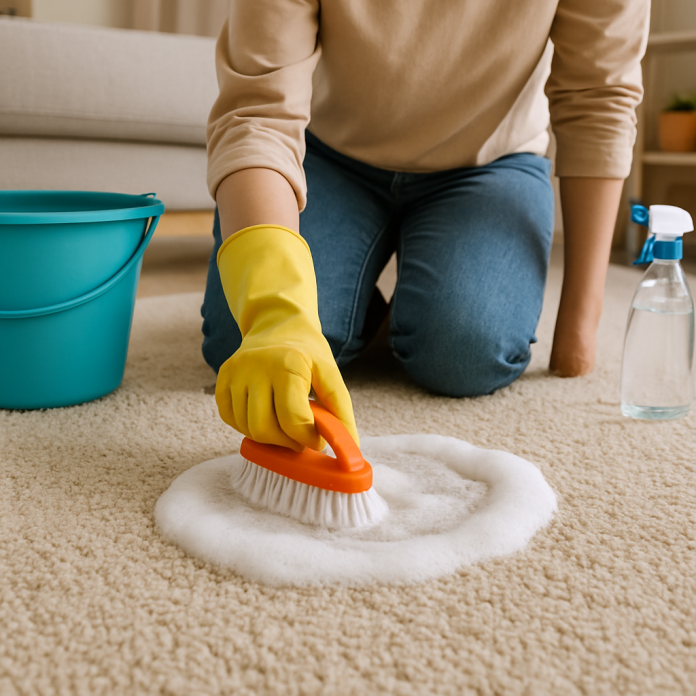
Small mold spots on carpet may be removable, but widespread growth, strong odors, or wet padding often call for professional help. In U.S. homes and apartments, the safest plan is to stop the moisture, protect your health, remove affected porous materials when needed, and dry the area fully.
Do not scrub mold with bare hands or hide it with carpet cleaner. Mold can grow below the carpet surface and inside the pad, where a surface cleaning may not solve the problem.
This guide follows practical guidance from the U.S. Environmental Protection Agency (EPA) and the Centers for Disease Control and Prevention (CDC).
Can You Remove Mold From Carpet?
You may be able to clean a small, recent area of mold from carpet if the carpet is still sound, the water source is fixed, and the mold has not reached the backing or pad.
Carpet is a porous material. Its fibers, backing, and pad can trap moisture and mold below the top layer. For this reason, badly affected carpet is often better removed and replaced than cleaned in place.
You may try DIY cleaning when:
- The affected area is small.
- The carpet is not soaked.
- The mold is only on the surface.
- The carpet has no deep, musty odor.
- The padding below is dry.
- No sewage, floodwater, or other contaminated water was involved.
- No one in the home has severe asthma, a mold allergy, or a weak immune system.
The EPA uses about 10 square feet as a useful point for deciding when a homeowner may handle a small mold area. Larger areas may need professional remediation.
Call a mold or water-damage professional when:
- Mold covers more than about 10 square feet.
- The carpet or pad stayed wet for more than 24 to 48 hours.
- Mold keeps coming back.
- The room smells strongly musty.
- The carpet was exposed to sewage, river water, or floodwater.
- Mold is under the carpet, on the tack strips, or on the subfloor.
- The HVAC system may be contaminated.
- You have health concerns or cannot wear protective equipment safely.
What Causes Mold to Grow in Carpet?
Mold grows when spores meet moisture, food, and time. Carpet fibers, dust, skin flakes, and dirt can give mold enough food to grow.
Common causes include:
- Plumbing leaks
- Flooding
- Wet shoes or clothing
- Pet urine
- Condensation near windows
- A leaking air conditioner
- High indoor humidity
- Wet carpet cleaned without enough drying
- Water trapped under furniture
- Leaks from a basement or foundation
Mold may appear as black, green, white, gray, or orange patches. Color alone cannot tell you which type of mold is present. You usually do not need to identify the species before taking safe cleanup steps.
A musty odor can be an early warning sign. If the carpet looks clean but still smells musty, mold may be growing below the surface.
Safety Steps Before Cleaning Moldy Carpet
Protect yourself and stop the moisture before you touch the carpet. Cleaning mold without fixing the leak will usually lead to more growth.
Wear basic protective gear
For a small cleanup, use:
- An N95 respirator that fits your face
- Disposable gloves or waterproof gloves
- Safety goggles without ventilation holes
- Long sleeves and pants
- Shoes that can be cleaned
An N95 mask can reduce exposure to mold particles. It does not protect against every chemical or gas. People with asthma, severe allergies, immune suppression, or other health concerns should ask a health professional whether they should avoid the cleanup.
Keep children, pets, and people with breathing problems away from the work area.
Improve airflow with care
Open a window if outdoor air is dry and safe. Use a fan to help dry the room, but do not aim a fan across visible mold before removal. Air movement can spread spores to other areas.
Turn off central heating or cooling if you think mold may have entered the HVAC system. A professional should inspect a contaminated HVAC system.
Never mix cleaning chemicals
Do not mix bleach with ammonia, vinegar, acids, or other cleaners. Toxic gases may form.
Bleach is also not a routine answer for mold on carpet. It can damage carpet fibers, leave strong fumes, and fail to reach mold inside the backing or pad. A product label should always guide use, dilution, ventilation, and surface compatibility.
How to Remove Mold From Carpet: Step-by-Step
Use this method only for a small area of light surface mold. Stop if the carpet is deeply wet, damaged, or badly contaminated.
1. Find and fix the moisture source
Check for:
- Leaking pipes
- A wet pad
- Damp walls or baseboards
- Window leaks
- Condensation
- Appliance leaks
- High humidity
Repair the leak before cleaning. Use a dehumidifier to lower moisture in the room. The EPA recommends keeping indoor humidity below 60%, with an ideal range of 30% to 50%.
2. Isolate the area
Move clean items away from the carpet. Place small furniture on a dry, hard surface. Do not drag moldy items through the home.
If possible, close the room off from the rest of the house. Avoid shaking the carpet, brushing it dry, or using a regular vacuum cleaner on visible mold.
3. Check the carpet and pad
Lift a corner of the carpet if you can do so without spreading debris. Look for:
- Mold on the underside
- Wet or stained padding
- Mold on tack strips
- Damp subfloor
- Rusted metal
- A strong odor below the carpet
If mold is present below the surface, cleaning only the top fibers is unlikely to work.
4. Remove small loose pieces
If a small section of carpet can be removed, cut out the affected area with care. Keep the moldy side folded inward. Place the material in a heavy plastic bag and seal it before carrying it through the home.
Moldy carpet pad is usually not worth saving. The pad is porous and can hold moisture and spores deep inside.
5. Apply a carpet-safe cleaner
Use a cleaner labeled for carpet and mold or mildew, if the label allows that use. Test it first on a hidden spot to check for color loss or fiber damage.
Do not soak the carpet. Excess water can push moisture into the backing and pad. Work from the outside edge of the spot toward the center to reduce spread.
Follow the product label for contact time. Never combine products.
6. Gently remove the residue
Use a disposable cloth or soft brush. Avoid aggressive scrubbing, which can damage fibers and spread spores.
Place used cloths and disposable tools in a sealed bag. Wash reusable tools with detergent and water, then dry them fully.
7. Dry the carpet completely
Use a dehumidifier and clean airflow after cleaning. Keep furniture off the area until it is fully dry.
A carpet can feel dry on top while the pad remains wet. Check below the carpet when possible. If the musty odor remains, assume that moisture or mold may still be present.
8. Clean nearby hard surfaces
Wipe baseboards, walls, and floors near the carpet with detergent and water. Dry them at once.
Do not paint, caulk, or cover a moldy surface until it is clean and dry. Covering mold can hide the problem without removing it.
9. Clean or replace your vacuum filter
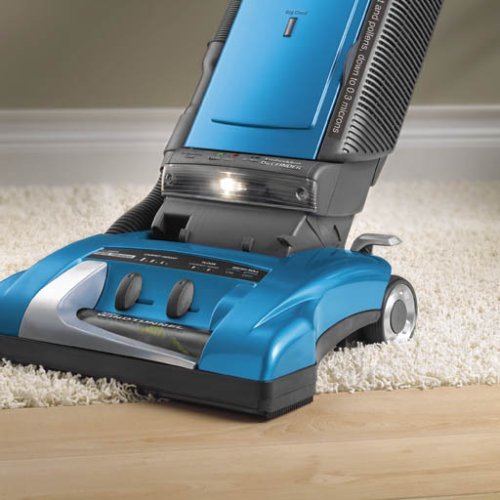
If you use a vacuum after the mold is removed and the area is dry, use a vacuum with a true HEPA filter. A regular vacuum may release fine particles back into the room.
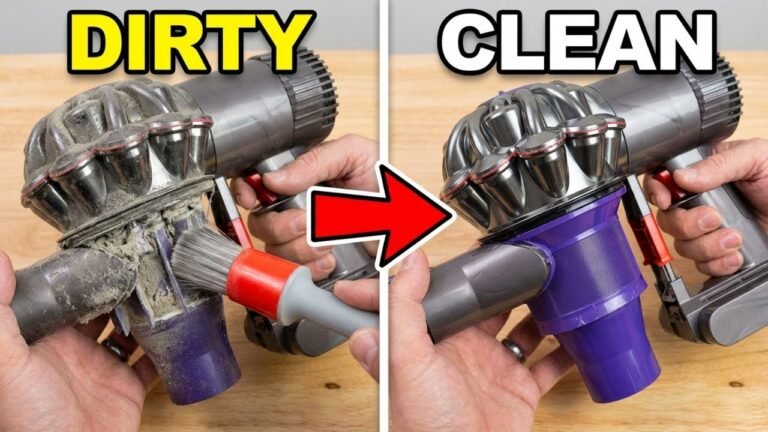
Follow the vacuum maker’s instructions for filter care. Do not use a household vacuum to collect wet moldy debris unless it is designed for that task.
When Should You Throw Away Moldy Carpet?
Replace carpet when mold has reached the backing or pad, when the material stayed wet for a long time, or when cleaning does not remove the odor and visible growth.
Replacement is often the safer choice when:
| Condition | Best next step |
|---|---|
| Tiny surface spot on dry carpet | Consider careful DIY cleaning |
| Mold on the carpet backing | Remove the affected section |
| Mold in carpet padding | Usually discard the pad |
| Large visible growth | Contact a remediation professional |
| Sewage or floodwater exposure | Remove contaminated porous material |
| Repeated mold after cleaning | Find hidden moisture and get an inspection |
| Strong odor after cleaning | Check below the carpet or replace it |
| Carpet is old, loose, or damaged | Replacement may be more practical |
Do not place moldy carpet in another room, garage, or basement for storage. Seal it before removal and follow local waste rules. Some cities and counties have special rules for construction or flood-damaged materials.
If the subfloor is damp, clean it and dry it before installing new carpet. New carpet over a wet subfloor can trap moisture and restart the problem.
How to Prevent Mold From Returning
Mold prevention starts with moisture control. Cleaning the visible patch without controlling water is like drying a puddle while the faucet is still running.
Use these steps:
- Repair leaks as soon as you find them.
- Dry wet carpet within 24 to 48 hours when possible.
- Use a dehumidifier in damp basements.
- Keep indoor humidity below 60%.
- Improve air flow around furniture.
- Do not place rugs over damp floors.
- Check carpet near exterior doors and windows.
- Clean and dry spills at once.
- Inspect air conditioner drain lines.
- Use a moisture meter when a leak may be hidden.
- Check the carpet pad after any major spill or flood.
- Keep gutters and downspouts moving water away from the home.
In a basement, look for foundation leaks, seepage, and condensation. A dehumidifier may help, but it will not fix water entering through a wall or floor.
Common Mistakes When Cleaning Moldy Carpet
Several common methods can make the problem worse or give a false sense of success.
Using bleach as the first solution
Bleach may discolor carpet and may not reach mold inside the material. It also creates harmful fumes when mixed with other cleaners.
Scrubbing too hard
Hard scrubbing can drive moisture and debris deeper into the carpet. It can also spread mold particles.
Using too much water
Wet cleaning can leave the pad damp. Always use the least amount of liquid needed and dry the area fast.
Vacuuming visible mold with a regular vacuum
A standard vacuum may spread small particles through its exhaust. Remove loose moldy material carefully, then use a suitable HEPA vacuum only when the area is dry.
Cleaning without protective gear
Mold can irritate the eyes, skin, nose, and lungs. Gloves and eye protection are simple steps that reduce contact.
Covering the stain
Paint, rugs, and furniture can hide mold. They do not remove the moisture or growth beneath.
Ignoring the carpet pad
A clean-looking carpet can sit over a moldy pad. If the odor remains, inspect below the surface.
What to Do If Mold Comes Back
Mold that returns usually means moisture remains or the first cleanup did not reach all affected material.
Check these areas in order:
- Carpet pad: Look for dampness, stains, or odor.
- Subfloor: Inspect for leaks or water damage.
- Baseboards and drywall: Mold may grow behind the carpet edge.
- HVAC and vents: Check for water or visible growth near the system.
- Indoor humidity: Measure humidity with a simple hygrometer.
- Outdoor water: Check gutters, grading, and foundation walls.
Do not keep applying stronger chemicals. More chemical exposure does not solve hidden water damage.
Hire a qualified professional if mold returns after the carpet and pad are removed, if the affected area is large, or if the source cannot be found. Ask what work the company will do, how it will contain dust, and how it will confirm that the area is dry.
There is no need for routine air testing before basic cleanup in most small cases. Testing may be useful in complex disputes or unusual situations, but a test does not replace moisture repair and removal of damaged material.
Moldy Carpet in a Rental Home
If you rent, take photos and report the leak or mold to your landlord or property manager in writing. Do not remove large sections of carpet before you understand your lease and local rules.
Keep records of:
- When you first noticed the mold
- Where the moisture came from
- Photos of the carpet and nearby damage
- Any repair requests
- Dates of visits or phone calls
- Symptoms that began after the problem appeared
State and local housing rules differ across the United States. A local health department or tenant-rights group may explain the rules in your area. Avoid making legal claims based only on general mold guidance.
Frequently Asked Questions
Can vinegar remove mold from carpet?
Vinegar may kill some surface mold in some settings, but it is not a reliable fix for mold inside carpet fibers, backing, or padding. It can also affect carpet color and odor. A labeled carpet-safe product is a better choice for a small, suitable area.
Does baking soda remove mold from carpet?
Baking soda can help absorb some odor, but it does not solve hidden mold or moisture. Do not use it as a substitute for removing moldy padding or repairing a leak.
Can I steam-clean moldy carpet?
Steam cleaning may add moisture and can spread the problem if the carpet and pad do not dry quickly. A professional carpet or mold specialist should decide whether steam cleaning is suitable after checking the material and moisture source.
How fast can mold grow on wet carpet?
Mold can begin growing on damp materials within a short time, especially in warm, humid conditions. The exact speed depends on moisture, temperature, airflow, and the material. Dry wet carpet as soon as possible rather than waiting for an odor or stain.
Is black mold in carpet more dangerous than other mold?
Color does not prove how dangerous a mold is. Any indoor mold growth signals excess moisture and should be removed safely. People with asthma, allergies, or weakened immune systems may be more sensitive to mold exposure.
Final Takeaway
For a small surface spot, you may clean mold from carpet with protective gear, a carpet-safe labeled cleaner, limited moisture, and fast drying. If mold has reached the pad or backing, the carpet stayed wet, the area is large, or the odor returns, removal and professional evaluation are safer choices.
Start with the moisture source. Then decide whether the carpet is worth cleaning or should be sealed, removed, and replaced.