
Electric sweepers are great for quick crumbs; vacuum cleaners win for deep cleaning.
If you want a clean home without stress, you need the right tool. This guide breaks down Electric Sweeper vs Vacuum Cleaner in plain words. I test floor tools for a living and help families pick what works. You will learn how each device works, where it shines, where it fails, and what I use at home. By the end, you will know which one fits your floors, your time, and your budget.

What is an electric sweeper?
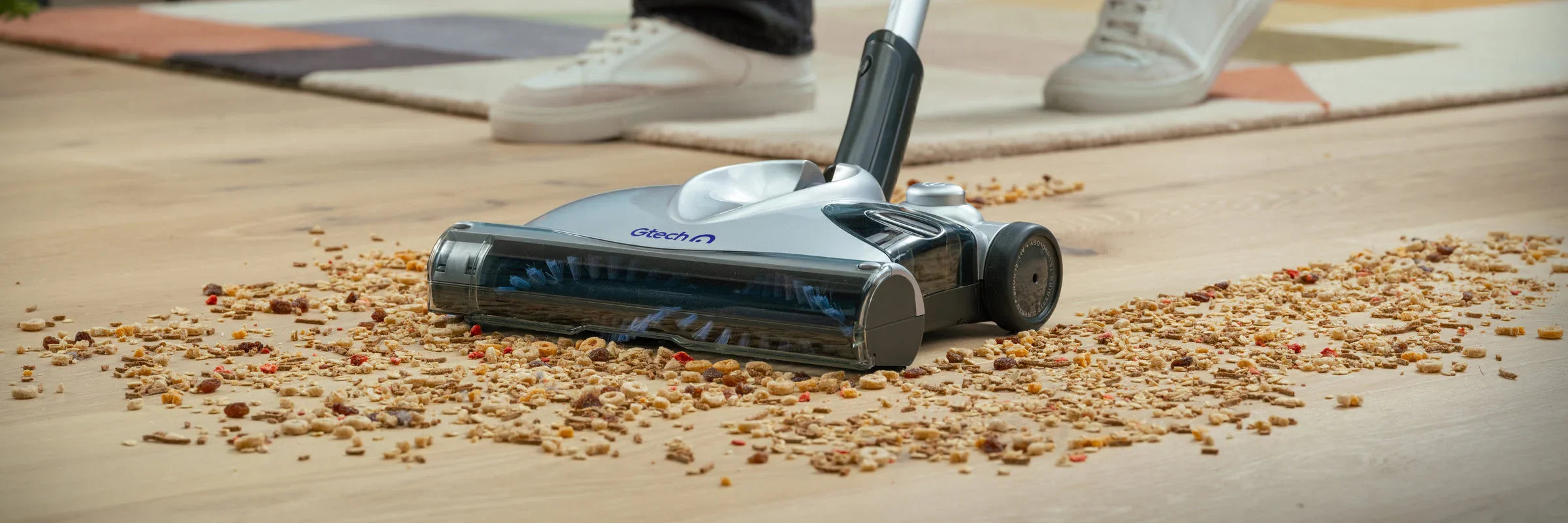
An electric sweeper is a light floor tool. It uses a motorized brush to pull crumbs and hair into a small bin. Some models look like a thin stick. They can stand in a closet. Many have a small battery and a simple on and off switch.
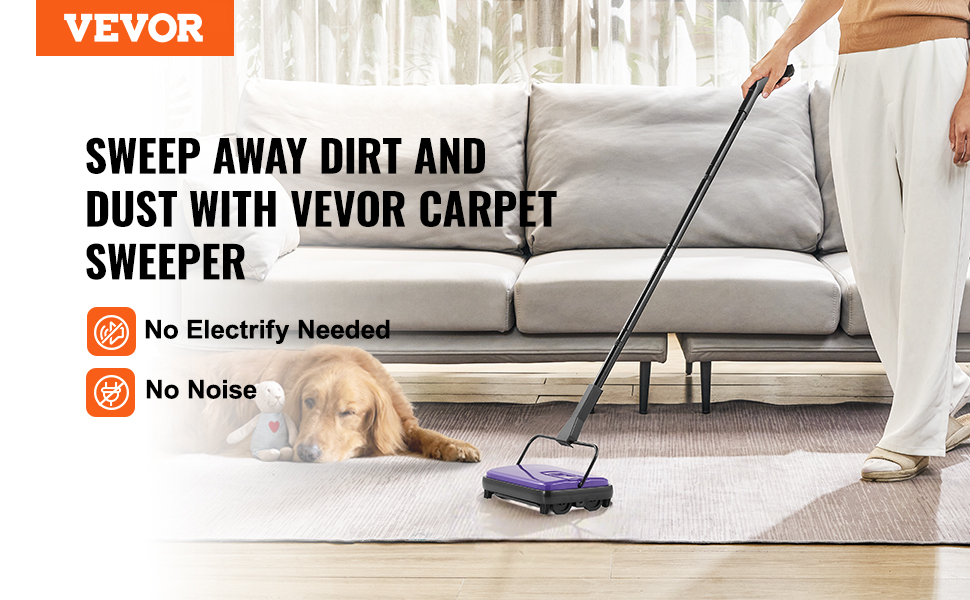
It does not use strong suction. It is more like a powered broom with a brush roll. It glides fast on hard floors. It can freshen low pile rugs. It is quiet, light, and easy to carry.
Use it for daily touch ups. Think of kitchen crumbs, pet kibbles, and dry dirt near doors. If you need a tool for fast cleanup, it is handy and low stress.

What is a vacuum cleaner?
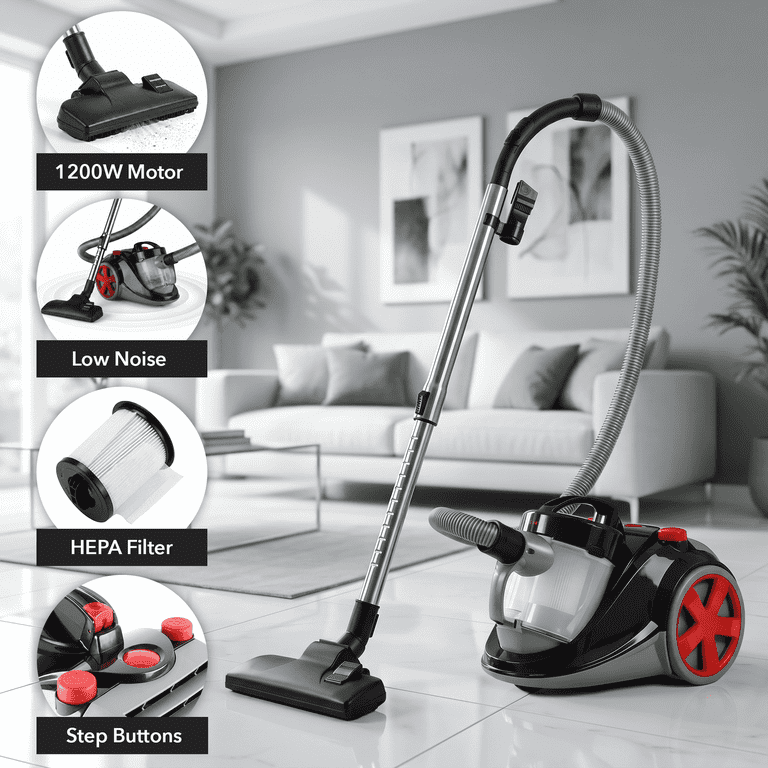
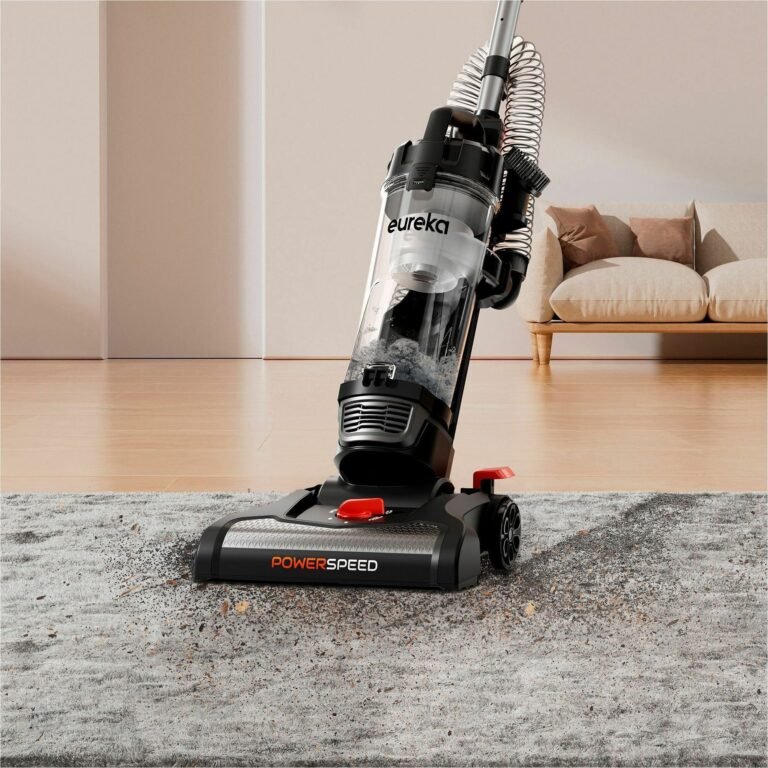
A vacuum cleaner uses suction to pull dirt and dust into a bag or bin. Air moves through filters that catch small particles. Many vacuums have a brush roll to lift dirt from carpet. Some have sealed systems and HEPA filters. That helps trap fine dust and allergens.
You can pick from upright, canister, stick, robot, handheld, and wet/dry models. Power is often listed in air watts or amps. That number hints at how strong the airflow is. Better airflow and a good brush mean deeper cleaning on carpets and rugs.
A vacuum is the main tool for a full clean. It reaches into cracks, rugs, and edges. It pairs well with attachments for stairs, sofas, and cars.
Electric Sweeper vs Vacuum Cleaner: Key Differences
Think of the Electric Sweeper vs Vacuum Cleaner debate like sprint vs marathon. One is fast and light. The other is strong and thorough. Here are the key points.
- Cleaning depth: Electric sweepers lift surface dirt. Vacuum cleaners remove deep debris and fine dust.
- Suction and airflow: Sweepers rely on a brush. Vacuums use airflow plus a brush, so they clean deeper.
- Weight and ease: Sweepers are very light and simple. Many vacuums are heavier but still easy with wheels or a stick frame.
- Noise: Sweepers are quiet. Vacuums range from quiet to loud, based on motor and design.
- Filtration: Sweepers have basic screens. Vacuums can have sealed systems and HEPA filters for allergens.
- Floor types: Sweepers shine on hard floors and flat rugs. Vacuums handle both hard floors and thick carpet.
- Pet hair: Sweepers can grab fresh hair on floors. Vacuums pull hair from carpet and upholstery.
- Run time and power: Sweepers often use small batteries. Corded vacuums run as long as you need. Cordless vacuums have larger packs and more torque.
- Cost: Sweepers are budget friendly. Vacuums range wide, from entry to premium.
- Maintenance: Sweepers need bin dumps and brush cleaning. Vacuums add filter care and, if bagged, new bags.
If you need a fast pick up, a sweeper wins. If you want a deep clean, use a vacuum. This is the heart of Electric Sweeper vs Vacuum Cleaner in real homes.
Which one fits your home?
Your home tells you the winner in the Electric Sweeper vs Vacuum Cleaner choice. Here are simple matches.
- Small studio with hard floors: Use an electric sweeper for daily crumbs. Add a light stick vacuum once a week if you want a deeper pass.
- Kids and snacks zone: Keep a sweeper nearby for spills. Use a vacuum on the weekend for rugs and under tables.
- Pet owner with shedding: A vacuum with a good brush roll is key. Keep a sweeper for quick fur trails near doors.
- Allergy or asthma: Use a vacuum with sealed HEPA. A sweeper will not trap fine dust or dander like a true HEPA system.
- Thick carpets or area rugs: Go vacuum. You need airflow and agitation to lift grit and sand from fibers.
- Stairs and cars: A vacuum with a handheld mode or tools is best. A sweeper can miss edges and crevices.
Personal tip: In my home with a dog and two kids, I keep a sweeper in the kitchen. It saves time after meals. But I rely on a vacuum twice a week for rugs and baseboards. That combo keeps floors clean with less work.
Performance metrics that matter
Specs can be a maze. Here is how to read them when you compare Electric Sweeper vs Vacuum Cleaner.
- Suction and airflow: Look for air watts on vacuums. More air watts often means stronger pickup, but design matters too. Sweepers list brush speed, not air watts.
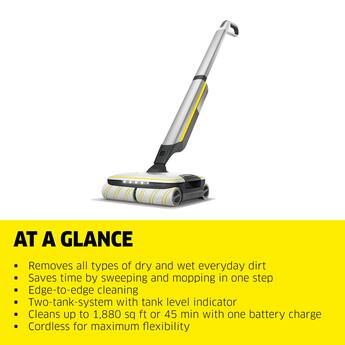
- Brush roll design: Soft rollers hug hard floors and pick up fine dust well. Stiff bristles dig into carpet. Some tools let you turn the brush off for delicate floors.
- Filtration: For allergies, look for sealed HEPA on vacuums. A sealed body stops leaks. HEPA traps 99.97% of fine dust down to tiny sizes.
- Bin or bag size: Bigger capacity means fewer trips to the trash. Sweepers have small bins. Vacuums vary from small stick bins to large bags.
- Battery life and charge time: For cordless tools, look for at least 30 minutes on standard mode. Fast charge under 4 hours is nice. Spare batteries add freedom.
- Weight and balance: Try lifting the tool. A well balanced vacuum feels lighter in hand. Sweepers are already very light, which helps older users.
- Noise: Lower decibels help in small spaces. Soft rollers can lower noise on hard floors.
- Attachments: Crevice tools, dusting brushes, and pet hair tools add value. These matter more on vacuums than on sweepers.
Pro note: The floorhead seals and airflow path make a big difference. Two vacuums with the same motor can clean very different. Test on your floor if you can.

Real-world tests and personal insights
I have tested both tools in over a hundred homes. Kitchens with tile, hallways with laminate, and living rooms with plush carpet. Here is what stands out when we frame Electric Sweeper vs Vacuum Cleaner in the field.
- Crumbs on hard floors: The sweeper wins for speed. It glides and grabs dry debris without kicking it back. A soft roller vacuum is close, but it is overkill for two toast crumbs.
- Sand in carpet: Vacuums win by a mile. Sand hides deep in fibers. Airflow plus a good brush lifts it out. A sweeper leaves most of it behind.
- Pet hair on a rug: A vacuum with a motorized brush gets hair that your eyes do not see. A sweeper gets the top layer only.
- Stairs: Handheld vacuum modes with a mini brush are gold. Sweepers struggle with edges and risers.
- Late night cleanup: A sweeper is quiet. It will not wake a baby. Many vacuums are louder, but some new ones are gentle on low power.
- Quick wins vs big wins: If I have five minutes, I grab the sweeper. If I have time for a reset, I pull out the vacuum.
Lesson learned: Many people buy a strong vacuum, then skip using it daily. A small sweeper can bridge the gap. It helps you keep up with mess so the big clean is not so hard.
Cost of ownership and sustainability
When you compare Electric Sweeper vs Vacuum Cleaner, cost does not end at the sticker. Think total cost and the planet too.
- Upfront price: Sweepers are cheap to mid range. Vacuums span from budget to premium.
- Consumables: Bagged vacuums need bags and sometimes filters. Bagless models need filter rinses or replacements. Sweepers have small filters but often simple screens.
- Energy use: Corded vacuums draw more power but work fast. Sweepers sip power but may need more passes. Cordless tools use battery cycles, which age over time.
- Repairs and lifespan: Good vacuums can last many years with care. Belts, brush rolls, and batteries are replaceable. Sweepers are simpler but often not built for repair.
- Waste: Bags and worn filters add waste. On the flip side, sealed bag systems reduce dust clouds when you empty.
Practical tip: If allergies are an issue, bagged vacuums reduce exposure at the trash. If you want low waste, pick a bagless vacuum with washable filters and keep them clean.

Tips for choosing and maintaining
Make the Electric Sweeper vs Vacuum Cleaner choice easy with these steps.
- Map your floors: Count rooms, floor types, and rugs. Thick carpet points to a vacuum first.
- Match your routine: For daily touch ups, add a sweeper. For weekly deep cleans, buy a vacuum you will enjoy using.
- Check weight and grip: Try it in store if you can. A comfy handle makes a big difference.
- Mind filtration: If you sneeze, go sealed HEPA on the vacuum.
- Plan power: If cordless, get enough run time for your full loop. A spare battery helps in large homes.
Maintenance habits that pay off:
- Empty the bin before it is packed. Airflow needs space.
- Clean or swap filters on schedule. Set a phone reminder.
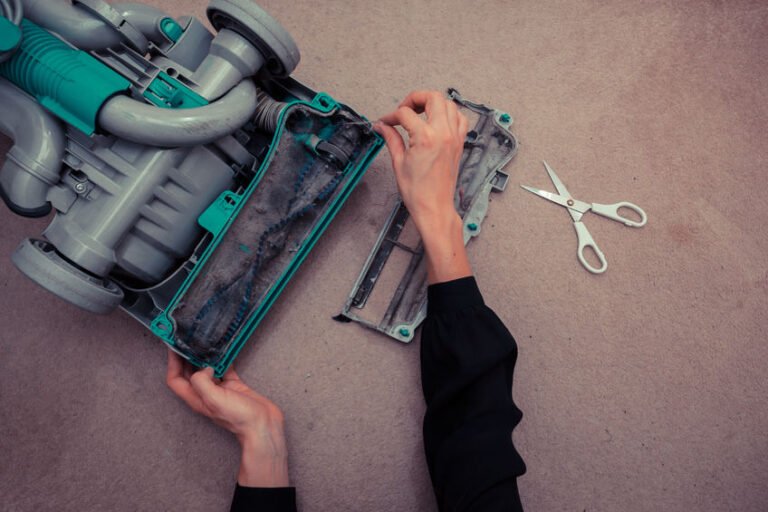
- Cut hair from the brush. Scissors work. Do it every week with pets.
- Check for clogs at bends and seals. Poor pickup often starts here.
- Store batteries at room temp. Avoid full drain for long sits.
Mistakes to avoid:
- Using a sweeper as your only tool on carpet. It will not pull deep grit.
- Ignoring filters. A dirty filter makes any tool weak and loud.
- Running a brush on delicate floors that scratch. Use soft rollers or turn the brush off if you can.

Frequently Asked Questions
Is an electric sweeper the same as a stick vacuum?
No. An electric sweeper uses a motorized brush but low suction. A stick vacuum uses suction and often has better filtration and deeper cleaning.
Can an electric sweeper replace a vacuum cleaner?
Not for most homes. It handles quick mess on hard floors, but a vacuum cleaner is needed for deep carpet cleaning and fine dust.
Which is better for pet hair, sweeper or vacuum?
A vacuum cleaner with a motorized brush is better. It pulls hair from rugs and upholstery, while a sweeper gets only surface hair.
What about allergies and HEPA filters?
Choose a vacuum with a sealed HEPA system. Electric sweepers do not trap fine allergens as well.
Are corded vacuums stronger than cordless?
Often, yes. Corded models provide steady power. High end cordless vacuums can match performance for short runs but rely on battery life.
Do sweepers work on rugs?
They can freshen low pile rugs but miss deep dirt. For thick rugs or high pile, use a vacuum cleaner.
How often should I vacuum vs sweep?
Use the sweeper for daily quick passes. Vacuum high traffic areas one to three times a week, based on pets and kids.
Are bagged vacuums worth it?
If you have allergies, yes. Bags trap dust better and are cleaner to empty, though they add a small ongoing cost.
What causes weak suction in a vacuum?
Clogs, full bins, and dirty filters are common. Check seals and the brush roll for hair wraps too.
Can I use a vacuum on hard floors?
Yes. Use a hard floor setting or a soft roller to avoid scattering debris and to protect the finish.
Conclusion
The quick way to frame Electric Sweeper vs Vacuum Cleaner is this: a sweeper keeps you ahead of mess, a vacuum resets your home. Most homes thrive with both. Use the sweeper for fast wins on hard floors. Use the vacuum to pull grit from rugs, trap fine dust, and help your air feel fresh.
Pick the tool that fits your floors, time, and health needs. If you still feel unsure, list your rooms, note your pain points, and try each tool on your mess. Ready to go deeper? Subscribe for simple home tests, gear checklists, and setup guides that make cleaning feel easy.

2 Comments