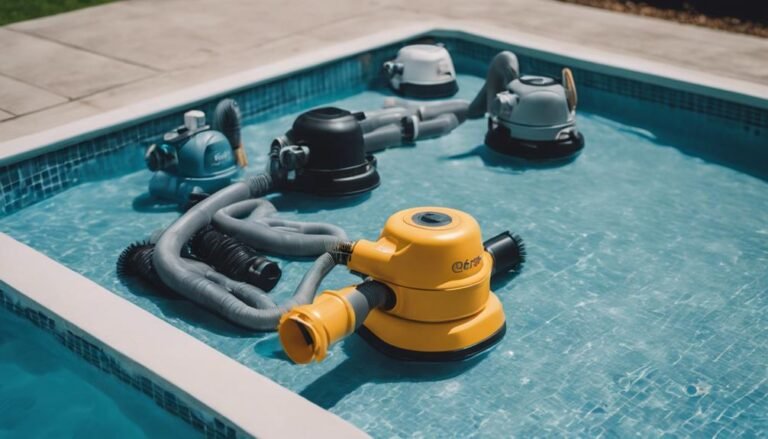
For a typical backyard pool in the United States, hooking up a pool vacuum means connecting a vacuum head, hose, and telescoping pole to the pool’s suction system. Most manual vacuums connect through the skimmer with a vacuum plate, while some pools have a dedicated vacuum port. The exact setup depends on whether you have a suction-side, pressure-side, robotic, or manual pool vacuum.
This guide explains how to connect each common type, how to prime the hose, which pump and filter settings to use, and what to check when the vacuum has weak suction.

What You Need Before Hooking Up a Pool Vacuum
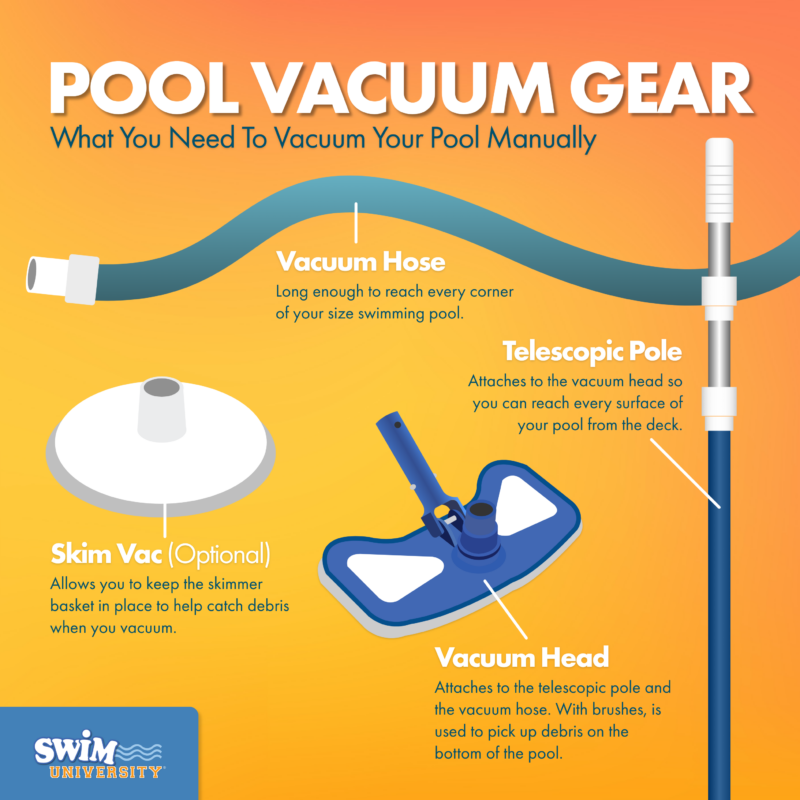
You need the right parts and a clean, working circulation system before you begin. For a standard manual suction vacuum, gather these items:
- Vacuum head
- Telescoping pool pole
- Flexible pool vacuum hose
- Skimmer basket and skimmer opening
- Vacuum plate, also called a skim-vac plate, if your setup uses one
- Clean pump and skimmer baskets
- Pool test kit or test strips
- Pool brush for loose dirt and algae
A manual pool vacuum uses the swimming pool pump to create suction. Water flows from the vacuum head through the hose, into the skimmer or vacuum port, through the pump and filter, and back into the pool through the return jets.
Know which type of pool vacuum you have
The connection method changes by vacuum type.
| Vacuum type | Main connection | Uses the pool pump? | Best for |
|---|---|---|---|
| Manual suction vacuum | Skimmer or vacuum port | Yes | Dirt, sand, and routine cleaning |
| Suction-side automatic vacuum | Skimmer or vacuum port | Yes | Regular hands-off cleaning |
| Pressure-side cleaner | Dedicated return or booster pump | Sometimes | Debris and leaves |
| Robotic vacuum | Electrical power supply | No | Independent cleaning |
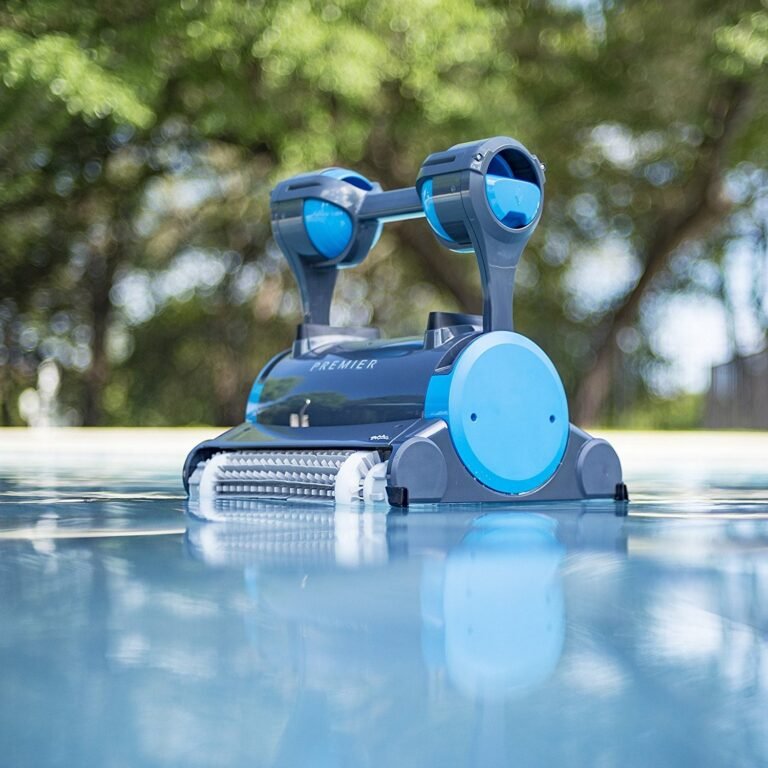
A robotic pool cleaner does not connect to the skimmer or pump. You place it in the pool, connect its power supply according to the manual, and let its internal motor move water and debris into its own filter bag or basket.
A pressure-side cleaner usually connects to a dedicated return-line fitting. Do not connect it to the skimmer unless the manufacturer specifically says you can.

How to Hook Up a Manual Pool Vacuum Through the Skimmer
The most common method is to connect the manual vacuum hose to the pool skimmer. The vacuum plate then sits over the skimmer basket and transfers suction from the pump to the vacuum hose.
1. Turn off the pool pump
Switch off the pump before assembling the vacuum. This reduces the chance of trapping air in the system and lets you connect the hose safely.
Never place your hand over a strong suction opening while the pump is running. Pool suction can hold hair, clothing, or body parts against a fitting.
2. Assemble the vacuum head and pole
Attach the vacuum head to the end of the telescoping pole. Make sure the head clicks or locks into place.
Attach one end of the vacuum hose to the vacuum head. Push it firmly onto the hose fitting. A loose connection can pull air into the line and reduce suction.
3. Fill the hose completely with water
This is one of the most important steps. An air-filled hose can cause the pump to lose prime or send air bubbles through the return jets.
Use one of these methods:
- Hold the hose underwater and let it fill naturally.
- Place the open end of the hose over a return jet while the pump is running.
- Keep the vacuum head underwater and slowly lower the hose into the pool until all air escapes.
The hose is ready when no air bubbles remain. Keep both ends underwater while moving it toward the skimmer.
4. Turn off the pump again
If you used a return jet to fill the hose, switch the pump off before connecting the hose to the skimmer. This helps prevent the skimmer from sucking air.
5. Choose the correct skimmer connection
You may have one of two common setups.
Using a vacuum plate
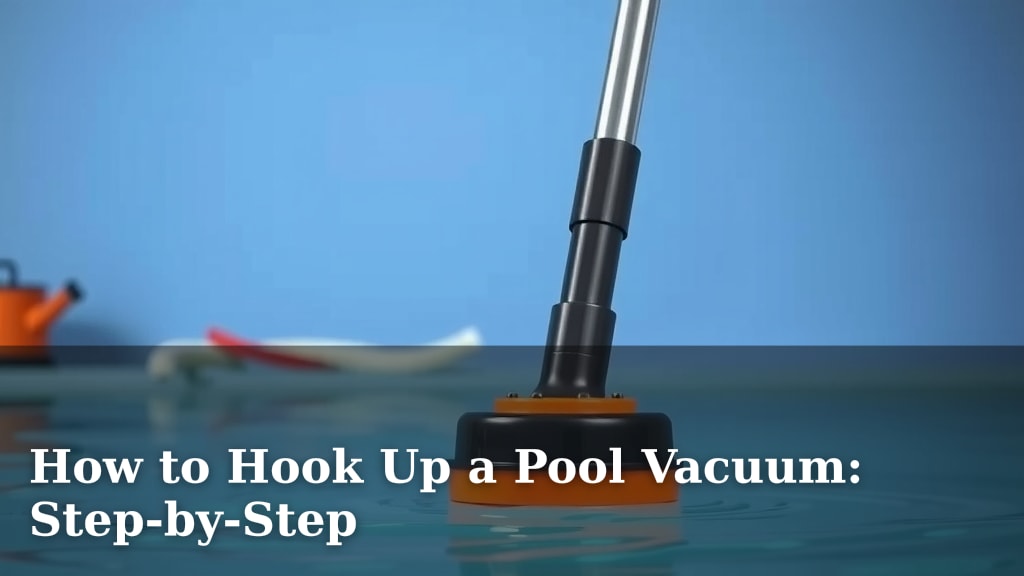
Place the skimmer basket in the skimmer. Then place the vacuum plate over the basket and connect the hose to the opening in the plate.
This method lets the basket catch large debris before it reaches the pump basket. It is often the simplest setup for residential pools.
Connecting directly to the suction port
Some pools have a dedicated suction port inside the skimmer. Connect the filled hose directly to that port.
If the hose does not fit firmly, stop and check the fitting. Do not force a mismatched connector into the port.
6. Set the pump valve to the filter position
For normal dirt and sand, set a multiport valve to Filter. This sends the water through the filter and returns clean water to the pool.
Use Waste only when the pool manual or equipment design calls for it, such as when removing a large amount of dirt or water. The waste setting sends water out of the system, so the pool level can drop quickly.
A cartridge filter usually does not have a waste setting. Follow the filter manufacturer’s instructions instead.
7. Open the skimmer suction line
If your pool has more than one suction valve, partially or fully close other suction lines as directed by the equipment manual. This can send more suction to the vacuum.
Do not close every suction line except the vacuum line unless the system is designed for that arrangement. The pump must always have enough water flow to operate safely.
8. Turn on the pump and check the vacuum
Start the pump. Watch the pump basket, return jets, and pressure gauge.
A properly connected vacuum should show these signs:
- The pump basket stays full of water.
- The return jets continue to circulate water.
- The vacuum head moves with steady suction.
- The hose does not float or collapse.
- Few or no air bubbles come from the return jets.
- The filter pressure remains within its normal operating range.
Move the vacuum head slowly across the pool floor. Fast movements can stir dirt into the water instead of removing it.

How to Hook Up a Suction-Side Automatic Pool Vacuum
A suction-side automatic pool vacuum connects to the skimmer or a dedicated suction port in much the same way as a manual vacuum. The difference is that the cleaner moves on its own once water flows through it.
Basic connection steps
- Turn off the pump.
- Assemble the cleaner according to its manual.
- Connect the hose sections.
- Adjust the hose length so it reaches the farthest point of the pool.
- Fill the hose completely with water.
- Connect the hose to the skimmer vacuum plate or suction port.
- Set the valve to Filter, unless the cleaner manual gives another instruction.
- Turn on the pump.
- Check that the cleaner moves across the pool floor.
Use only enough hose to reach the farthest point. Extra hose can coil, twist, or reduce the cleaner’s movement.
Many suction cleaners include a flow-control regulator or flow indicator. Use it as the manufacturer describes. Too much suction can make the cleaner move too fast or stick to the pool surface. Too little suction can prevent it from moving.
Remove the cleaner from the pool before backwashing, draining, adding certain chemicals, or servicing the pump. Store the cleaner out of direct sunlight when it is not in use.

How to Hook Up a Pressure-Side Pool Cleaner
A pressure-side cleaner uses water pressure rather than suction from the skimmer. It normally connects to a dedicated return fitting on the pool wall.
Some pressure cleaners use the pool’s existing circulation pump. Others require a separate booster pump. Check the cleaner manual and the pool equipment labels before connecting it.
General pressure-side connection
- Turn off the pump and booster pump.
- Remove the return-line fitting cap.
- Install the manufacturer’s wall fitting.
- Attach the cleaner hose or quick-connect fitting.
- Turn on the circulation pump.
- Turn on the booster pump, if the cleaner has one.
- Confirm that the cleaner moves and that its debris bag remains attached.
Do not connect a pressure-side cleaner to a skimmer unless its instructions specifically allow that configuration. Pressure cleaners and suction cleaners use different water paths and fittings.
If the cleaner has a booster pump, keep the booster pump off whenever the main circulation pump is off. Running a booster pump without adequate water flow can damage the equipment.

How to Use a Robotic Pool Vacuum
A robotic pool vacuum works independently of the pool pump and filter. It has its own motor and debris container.
To use one:
- Inspect the power cord and cleaner for damage.
- Place the power supply on a dry surface away from the pool edge.
- Plug the power supply into a properly protected outdoor outlet.
- Place the cleaner in the pool.
- Allow air to escape from the cleaner before starting the cycle.
- Start the cleaning program.
- Remove the cleaner after the cycle ends.
- Empty and rinse its filter basket or bag.
Keep the power supply away from standing water. Do not place it in the pool or where splashing can reach it.
Follow the manufacturer’s electrical instructions. In the United States, outdoor pool equipment should use appropriate ground-fault protection and comply with local electrical requirements. When in doubt, ask a licensed electrician or qualified pool professional to inspect the setup.
Which Pool Valve Setting Should You Use?
The correct valve setting depends on what you are removing and what type of filter your pool has.
| Valve setting | What it does | Typical vacuum use |
|---|---|---|
| Filter | Sends water through the filter and back to the pool | Routine dirt and light debris |
| Waste | Sends water out of the pool system | Heavy debris or unwanted dirty water |
| Backwash | Cleans a sand or diatomaceous earth filter | Filter maintenance, not normal vacuuming |
| Rinse | Settles filter media after backwashing | Used after backwash |
| Recirculate | Bypasses the filter | Special chemical or circulation situations |
| Closed | Stops water flow | Never use with the pump running |
Always turn the pump off before changing a multiport valve position. Moving the valve while the pump runs can damage the valve gasket.
If you vacuum to waste, watch the water level. Stop before the level drops below the skimmer opening. A low water level can introduce air into the suction line.
For routine cleaning, Filter is usually the best starting setting. If the pool contains a large amount of algae or fine debris, consult the filter and vacuum instructions before choosing Waste.

Why Does My Pool Vacuum Have Weak Suction?
Weak suction usually comes from air in the hose, a blocked basket, a dirty filter, or an incorrect valve position. Check the easiest and safest causes first.
Air bubbles come from the return jets
Likely causes:
- The hose was not fully filled with water.
- The hose connection is loose.
- The skimmer water level is too low.
- The pump lid O-ring is dirty or damaged.
- The pump basket lid is not sealed.
- A suction-side valve is drawing air.
What to do:
- Turn off the pump.
- Refill the hose underwater.
- Tighten the hose connection.
- Keep the water level halfway to two-thirds up the skimmer opening.
- Inspect the pump lid and O-ring.
- Restart the pump and watch for bubbles.
If bubbles continue after these checks, turn off the pump and contact a pool professional. A suction-side air leak can be difficult to locate.
The pump loses prime
A pump loses prime when its housing is not full of water. Turn off the pump. Do not let it run dry.
Check the water level, skimmer basket, pump basket, pump lid seal, and hose connection. If the pump must be primed manually, follow the pump manufacturer’s instructions. Some systems need the filter tank or pump housing filled with water before restart.
The vacuum head does not move
Check the following:
- The hose is fully underwater.
- The hose has no crack or split.
- The vacuum plate is seated correctly.
- The skimmer basket is not blocked.
- The pump basket is clean.
- The filter is not excessively dirty.
- Other suction valves are not taking all the flow.
- The cleaner’s flow regulator is set correctly.
A pressure gauge reading above the filter’s normal clean pressure can signal a dirty filter. Clean or backwash the filter only according to its type and manual.
The vacuum stirs up dirt
Move the vacuum head more slowly. Also check whether the filter is allowing fine particles to pass through.
For algae or very fine sediment, brushing first may make the problem worse by mixing debris into the water. In that case, use the filter setting recommended for your system and consider professional advice if the water remains cloudy.

Common Pool Vacuum Hookup Mistakes
Avoid these mistakes to protect the pump and improve cleaning.
Connecting an air-filled hose
Air in the hose can interrupt suction and cause the pump to lose prime. Fill the hose underwater before connecting it.
Running the pump with no water flow
Never run a pump dry. Confirm that the skimmer has water and that at least one suction path is open.
Using the wrong valve setting
Do not vacuum with the valve set to Closed. Do not move a multiport valve while the pump runs.
Leaving the vacuum plate off-center
A poorly seated vacuum plate can let air enter the system. Make sure it sits flat over the skimmer basket.
Using too much hose
Extra hose can create loops and reduce the cleaner’s range. Use enough to reach the farthest part of the pool, but not much more.
Vacuuming too quickly
Slow passes collect more debris. Think of the vacuum head as a small broom: quick strokes lift dirt, while steady strokes carry it away.
Ignoring the filter pressure
A rising pressure reading can mean the filter is loading with debris. Compare the gauge with the clean starting pressure for your system, not with a number from another pool.
How Often Should You Vacuum a Pool?
Vacuum when debris collects on the floor or when brushing leaves dirt that the skimmer cannot remove. Many residential pool owners vacuum about once a week during normal use, but storms, nearby trees, heavy swimming, and algae can require more frequent cleaning.
Brush the walls and steps before vacuuming when dirt is attached to those surfaces. Skim floating debris first so it does not sink while you work.
Test the water regularly. Vacuuming removes debris, but it does not correct poor sanitizer, pH, or alkalinity levels. The CDC recommends maintaining proper pool water chemistry and following product labels and local guidance for disinfection.

Safety Checks Before and After Vacuuming
Use these checks every time:
- Keep people and pets away from the skimmer and suction fittings.
- Turn off the pump before making hose or valve changes.
- Keep hands, hair, jewelry, and loose clothing away from suction outlets.
- Do not use damaged electrical cords or outdoor equipment.
- Keep robotic-cleaner power supplies dry.
- Do not mix pool chemicals.
- Never swim while a damaged cleaner, cord, or fitting is in use.
- Stop if the pump makes a grinding noise or runs without water.
- Call a qualified pool technician for leaks, electrical faults, damaged suction covers, or repeated loss of prime.
Pool suction safety is not just a cleaning issue. The U.S. Consumer Product Safety Commission advises pool owners to keep drain covers and suction fittings compliant and intact. Never operate a pool with a broken, loose, or missing suction cover.
Frequently Asked Questions
Can I hook a pool vacuum directly to the skimmer?
Yes. Most manual and suction-side vacuums connect to the skimmer using a vacuum plate or a dedicated suction port. Fill the hose with water first and use the filter setting for routine cleaning.
Do I leave the skimmer basket in when vacuuming?
Usually, yes, when using a vacuum plate. The basket catches large debris before it reaches the pump. If your equipment manual specifies a different setup, follow that instruction.
Should I vacuum a pool on filter or waste?
Use Filter for normal dirt and sand. Use Waste only when your equipment and cleanup plan support it, such as when removing heavy debris or dirty water. Waste lowers the pool level, so monitor the water closely.
Why does my pool vacuum keep floating?
The hose may contain trapped air, or the hose may be too long. Submerge the hose fully and remove air before connecting it. If the problem continues, inspect the hose for leaks or use the correct hose-weight or float adjustment supplied with the cleaner.
Can I use a pool vacuum if the pump is not primed?
No. Do not run the pump without water in the pump housing. Check the water level, baskets, lid seal, valves, and hose for air leaks before restarting.
Can I vacuum algae with a normal pool vacuum?
You can remove some algae with a manual vacuum, but the correct method depends on how much algae is present and what filter you use. Heavy algae may require brushing, water testing, filtration, and sometimes vacuuming to waste. Follow the directions for your sanitizer and filter system.
Final Checklist: Hooking Up a Pool Vacuum Correctly
Before you start vacuuming, confirm that:
- The vacuum head is attached to the pole.
- The hose is firmly connected to the vacuum head.
- The hose is completely full of water.
- The vacuum plate or suction-port connection is secure.
- The pump valve is set correctly.
- The water level reaches the skimmer.
- The pump basket and skimmer basket are clear.
- The pump is maintaining prime.
- The vacuum moves with steady suction.
- No unusual leaks, noises, or air bubbles appear.
For most U.S. residential pools, the key is simple: connect the filled hose to the skimmer or approved suction port, use the correct valve setting, and move the vacuum slowly. If suction remains weak after checking air leaks, baskets, water level, and filter pressure, stop the system and have the equipment inspected.