A vacuum can smell because dirt, hair, moisture, or heat is trapped inside it. In U.S. homes, the most common causes are a full dust bag or bin, a dirty filter, a clogged hose, hair wrapped around the brush roll, or a worn belt. A hot, burning, or electrical smell needs faster action: turn the vacuum off, unplug it, and inspect it before using it again.
Most vacuum odors are easy to fix when you find the source. The steps below help you identify the smell, clean the right parts, and decide when the vacuum needs repair.

What Does the Vacuum Smell Like?
The type of odor often points to the problem. Use the table below as a quick guide.
| Vacuum smell | Most likely cause | First action |
|---|---|---|
| Dusty or stale smell | Full bin, old bag, or dirty filter | Empty the bin or replace the bag and clean the filters |
| Burnt rubber smell | Slipping or worn belt | Turn off the vacuum and check the belt and brush roll |
| Burning plastic or electrical smell | Motor strain, damaged wire, or overheating | Unplug the vacuum and stop using it |
| Musty or sour smell | Damp dirt, wet filter, or mildew | Remove wet parts and dry them fully |
| Rotten or foul smell | Food, pet waste, or organic debris | Empty the vacuum and clean the hose, bin, and brush area |
| Smoky smell | Severe overheating or an electrical fault | Unplug it immediately and seek repair help |
| Pet odor | Hair, dander, and residue in the bin or filter | Wash approved parts and replace odor-filled filters |
A dusty smell usually means the vacuum is releasing old particles back into the room. A burning smell is different. It may show that the brush roll is stuck, the belt is slipping, or the motor is working under too much load.
Do not rely only on the smell. Notice other signs, such as weak suction, a hot body, a loud motor, smoke, sparks, or a brush roll that will not turn.
Why Does My Vacuum Smell Bad?
A bad vacuum smell usually comes from trapped debris, poor airflow, moisture, or heat. Start with the simple causes before looking for a motor problem.
1. The dust bag or dirt bin is full
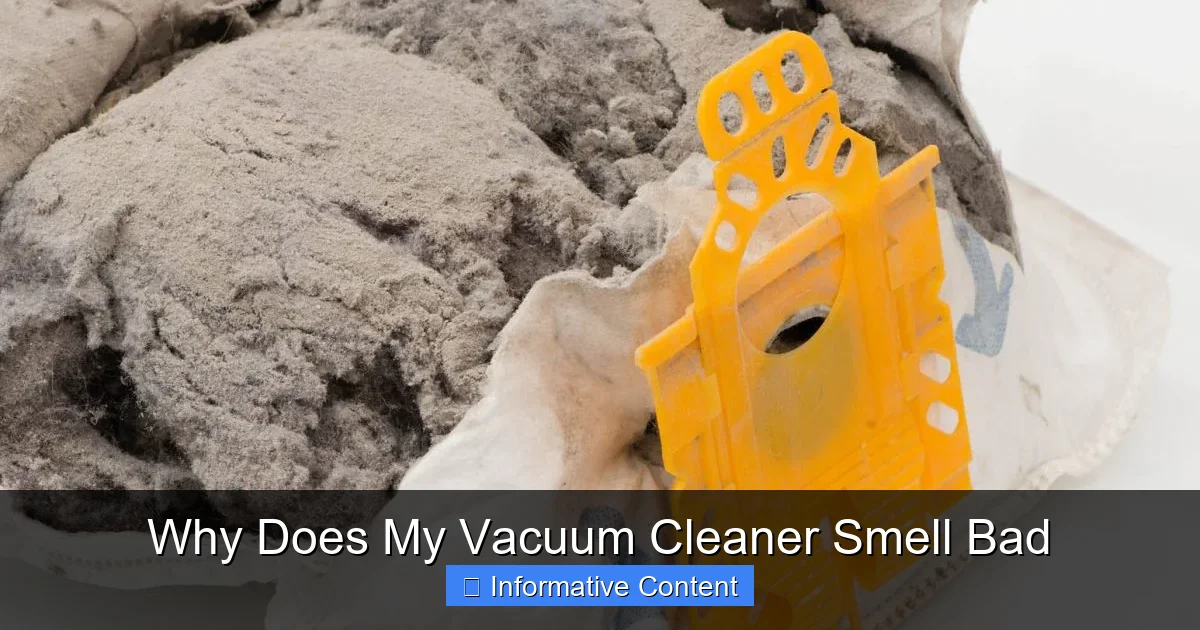
A full bag or bin leaves less room for new dirt. It can also block airflow and make the motor work harder. Dust may escape through seals or filters, causing a stale odor.
Empty a bagless vacuum before the dirt reaches the fill line. Replace a disposable bag when it is full or when the manual says to do so. Do not force a new bag into place, since a poor seal can let dust escape.
2. The filter is dirty or overdue for replacement
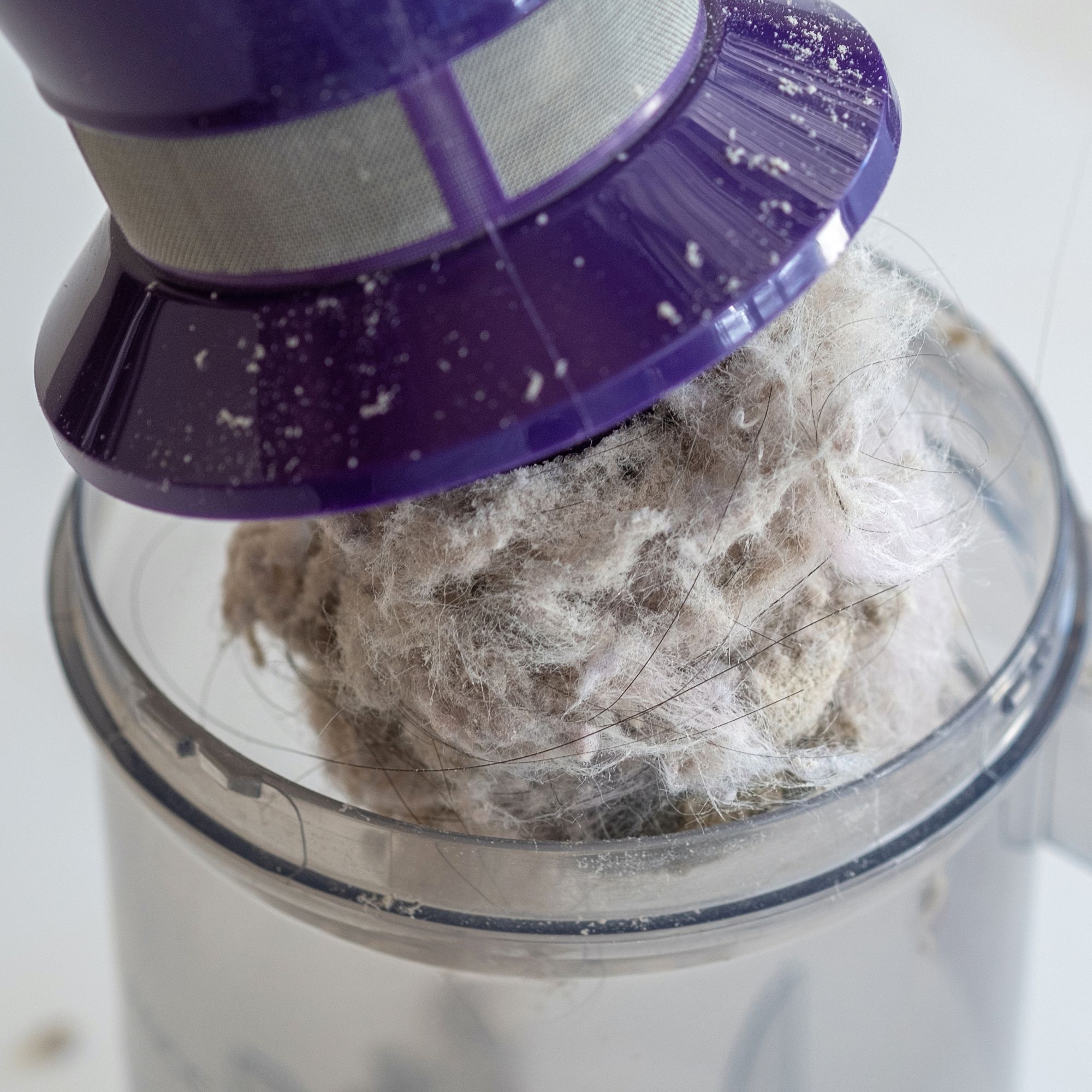
Filters trap fine dust, hair, and other particles. When a filter becomes packed with dirt, air cannot move well through the vacuum. This can cause weak suction, a dusty smell, and extra motor heat.
Some vacuum filters are washable. Others are disposable. Check the owner’s manual before washing any filter. A paper, foam, or HEPA filter may be damaged by water if the manufacturer does not approve washing.
3. Hair is stuck in the brush roll
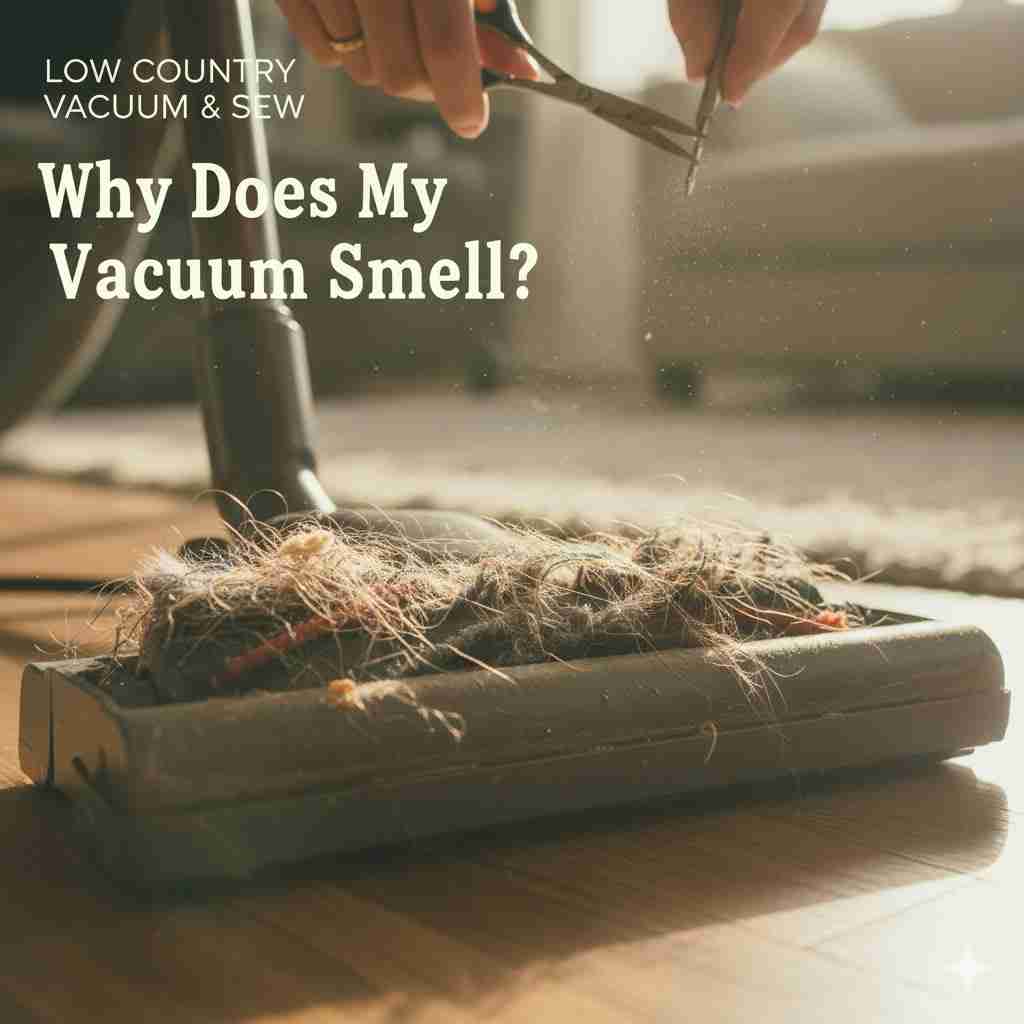
Long hair, thread, rug fibers, and pet fur can wrap around the brush roll. The brush may slow down or stop. On some vacuums, this makes the belt slip against the roller and creates a burnt rubber smell.
Turn off and unplug the vacuum before removing hair. Cut along the wrapped fibers with scissors, while keeping the blades away from the brush bristles and belt. Make sure the brush roll spins freely before use.
4. The belt is worn, stretched, or slipping
A belt transfers power from the motor to the brush roll in many upright and canister vacuums. A worn belt may look cracked, loose, shiny, or stretched. It may also make a rubber odor when it slips.
Not every vacuum uses a replaceable belt. Some models use direct-drive brush rolls or sealed systems. Use the exact belt listed for your model, if the design allows replacement.
5. The hose, wand, or air path is clogged
A blockage can trap dust and restrict airflow. The motor may then run hotter than normal. A clogged hose can also hold food crumbs, pet hair, or other material that begins to smell.
Disconnect the hose and check it with a flashlight. Never push a sharp object through the hose. A flexible hose can tear, and a damaged hose can create a leak that reduces suction.
6. The vacuum picked up moisture
Most standard household vacuums are not made to collect water. Damp carpet, wet food, spilled drinks, or a wet filter can create a musty odor. Moist debris may also support mold or bacterial growth inside the bin or hose.
Stop using the vacuum if you think it picked up liquid. Empty it and let approved washable parts dry completely. If water reached the motor or electrical parts, do not turn the vacuum back on until a qualified technician checks it.
7. The vacuum picked up something with a strong odor
A vacuum can collect food, spoiled material, pet waste, diapers, or other items with a lasting smell. The odor may remain even after you empty the bin because particles stick to the filter, hose, brush roll, and seals.
Clean each part that the manual permits you to clean. Replace a filter if it still smells after cleaning and drying. Do not add perfume, essential oil, or household cleaner to the vacuum unless the manufacturer specifically allows it.
8. The motor is overheating
A hot motor can produce a sharp, hot, or electrical odor. Overheating may follow a full bin, clogged filter, blocked hose, stuck brush roll, or long use on a thick carpet.
Turn the vacuum off and unplug it. Let it cool on a hard, clear surface. If the smell returns after you correct the blockage, stop using the vacuum and arrange service.
How to Fix a Smelly Vacuum Safely
Follow this order because it starts with low-risk checks and moves toward parts that may need service.
Step 1: Turn off and unplug the vacuum
Never clean a brush roll, hose, filter, or belt while the vacuum is connected to power. If the vacuum is cordless, remove the battery when the design allows it.
If you see smoke, sparks, melted plastic, or a damaged power cord, move away from the vacuum and unplug it only if you can do so safely. Do not keep testing a vacuum that smells electrical.
Step 2: Empty the bag or dirt bin
Take the bag or bin outside when possible. This limits the amount of dust released indoors.
For a bagless vacuum, empty the bin into a trash bag. Wipe the bin with a dry or slightly damp cloth if the manual allows it. Do not reinstall it until it is fully dry.
Step 3: Inspect and clean the filters
Remove each filter listed in the manual. Tap loose dust into a trash bag. Wash only filters marked as washable.
Let washable filters air-dry fully before reinstalling them. A damp filter can create a musty smell and may damage the vacuum. Drying time varies by filter size and room conditions, so do not use heat from a hair dryer or place the filter on a hot surface unless the manufacturer permits it.
Step 4: Check the brush roll and belt
Look for:
- Hair wrapped around the ends
- Thread caught in the bristles
- A brush roll that does not spin
- A loose, cracked, or shiny belt
- Melted plastic near the brush area
- Debris blocking the brush housing
Remove debris carefully. If the brush roll is damaged or the belt is worn, replace the part with one made for the exact vacuum model.
Step 5: Check the hose and attachments
Separate the hose, wand, and tools. Shine a flashlight through each part. Clear soft debris by hand or by using a blunt, flexible cleaning tool that will not puncture the hose.
Do not use a second vacuum to force air through a wet or contaminated hose. That can spread debris into the other machine.
Step 6: Wipe the areas that hold odor
Use a dry cloth first. For manufacturer-approved washable parts, use mild soap and water, then rinse and dry them completely.
Avoid soaking the motor housing, switch, power cord, battery, charging port, or other electrical parts. Never pour cleaner into the vacuum body.
Step 7: Reassemble and test briefly
Only test the vacuum after every wet part is dry and every cover is secure. Run it for a short time in an open, clear area.
Stop at once if you notice a burning smell, smoke, sparks, unusual heat, loud grinding, or a rapid loss of suction.
When Is a Vacuum Smell Dangerous?
A smell may be dangerous when it comes with heat, smoke, sparks, or signs of electrical damage. Unplug the vacuum and stop using it if you notice any of these signs:
- Burning plastic or wire odor
- Smoke from the motor area
- Sparks or flashes
- A hot plug, outlet, battery, or charging port
- A melted cord or damaged insulation
- A motor that becomes very hot quickly
- A loud buzz, grinding sound, or repeated shutdown
- A burnt smell that returns after cleaning
Do not open a sealed motor housing unless you are trained to repair that type of equipment. Do not bypass a thermal cutoff or fuse. These parts help protect the motor and may prevent a fire.
If the vacuum has a lithium-ion battery and the battery is swollen, cracked, leaking, unusually hot, or producing smoke, stop handling it. Move away from the device and follow local emergency and battery-disposal guidance. Do not place a damaged battery in household trash.
How to Tell Whether the Vacuum Needs Repair
A vacuum likely needs professional repair when the smell remains after you clean the bin, filters, hose, brush roll, and approved washable parts.
Repair may be the safer choice when:
- The burning smell returns within minutes.
- The vacuum shuts off repeatedly.
- The motor makes a grinding or high-pitched sound.
- The cord, plug, or body shows heat damage.
- The brush roll does not turn after you remove all hair.
- The vacuum has smoke, sparks, or melted parts.
- The machine picked up a large amount of water.
- The odor comes from the motor or control area.
Check the warranty before opening the vacuum or buying parts. Some repairs are simple, such as replacing a belt or filter. Motor, wiring, battery, and charging faults can require a qualified repair professional.
For an older vacuum, compare the repair cost with the condition of the hose, motor, battery, seals, and other parts. A low-cost belt replacement may make sense. A damaged motor or battery may not.
How to Prevent Your Vacuum From Smelling
Regular care keeps odors from building up.
- Empty the dirt bin before it reaches the fill line.
- Replace disposable bags on time.
- Clean washable filters as the manual directs.
- Replace filters that remain dirty or smell bad after cleaning.
- Remove hair from the brush roll often.
- Check the hose when suction drops.
- Keep the vacuum away from water unless it is a wet/dry model.
- Let damp carpets dry before vacuuming with a standard vacuum.
- Store the vacuum in a dry, ventilated space.
- Do not vacuum hot ash, liquids, sharp metal, or large wet debris.
- Use the correct filter, bag, belt, and battery for the model.
- Keep vents clear while the vacuum is running.
A wet/dry vacuum is designed for liquid pickup, but it still needs the correct setup and care. Follow its manual, including instructions about filters, liquid levels, and switching between dry and wet use.
Do not use baking soda, carpet powder, or scented products unless the vacuum maker says they are suitable. Fine powders can pass through some filters or clog the air path.
Vacuum Smell Troubleshooting by Symptom
Use the symptom that best matches what you see.
| What you notice | Likely cause | What to do |
|---|---|---|
| Bad smell and weak suction | Full bin, dirty filter, or clogged hose | Empty, clean, and inspect the air path |
| Burnt rubber smell during carpet cleaning | Hair in brush roll or slipping belt | Unplug, clear the brush, and inspect the belt |
| Musty smell after cleaning | Wet filter or damp debris | Remove wet parts and dry them fully |
| Smell only when using attachments | Blocked hose or dirty tool | Inspect and clean the hose and attachment |
| Smell from a cordless vacuum while charging | Battery or charger problem | Stop charging and inspect for heat or damage |
| Smell with loud motor noise | Motor strain or internal fault | Unplug and arrange service |
| Smell returns after a new filter | Odor remains in the hose, bin, seals, or brush | Clean the full air path and replace contaminated parts |
| Smoke or sparks | Electrical or motor fault | Stop use and seek qualified help |
The most useful clue is often the point where the smell begins. If it starts when the brush touches carpet, inspect the brush roll and belt. If it starts during charging, focus on the battery, charger, and charging port.
Common Mistakes to Avoid
Cleaning the wrong part can leave the odor in place or damage the vacuum.
Do not wash every filter
Some filters are washable, but others are not. Water can ruin paper or electrically treated filter media. Check the manual or the label on the filter.
Do not reinstall a damp filter
Even a filter that can be washed must dry completely. A damp filter can cause odor and restrict airflow.
Do not spray cleaner into the vacuum
Liquid can reach the motor, wiring, controls, or battery. Apply cleaner only to a cloth or to parts that the manufacturer identifies as washable.
Do not keep running a hot vacuum
A thermal shutdown is a warning, not a challenge. Find the cause of the heat before using the machine again.
Do not pull hard on tangled hair
Force can damage the brush roll, belt, bearings, or drive system. Cut the hair in small sections and remove it carefully.
Do not assume a scented product fixes the problem
Fragrance may hide an odor for a short time. It does not remove trapped dirt, moisture, or an electrical fault.
Key Takeaways
- A dusty vacuum smell usually comes from a full bin, old bag, or dirty filter.
- A burnt rubber smell often points to a tangled brush roll or worn belt.
- A musty smell can mean the vacuum picked up moisture.
- Burning plastic, smoke, sparks, or a hot cord requires immediate shutdown.
- Unplug the vacuum before cleaning or inspecting it.
- Replace damaged parts with the exact parts approved for your model.
- If the smell returns after cleaning, stop using the vacuum and seek repair help.
Frequently Asked Questions
Why does my vacuum smell like a wet dog?
A wet-dog smell often comes from pet hair, dander, damp debris, or a dirty filter. Empty the bin, clean approved washable parts, inspect the brush roll, and let all wet parts dry fully. Replace the filter if the odor remains.
Why does my vacuum smell like burning rubber?
The brush roll may be blocked, or the belt may be slipping. Unplug the vacuum and remove hair, thread, and fibers. If the belt looks cracked, loose, shiny, or stretched, replace it with the correct model-specific part.
Can I put essential oils in my vacuum filter?
Do not add essential oils unless the vacuum manufacturer specifically approves them. Oils can damage filter material, spread residue through the exhaust, or create a stronger odor when heated.
Why does my vacuum smell after I changed the bag?
The odor may remain in the hose, brush roll, filter, bin seals, or exhaust area. Check that the new bag is installed correctly and that no debris is blocking the air path. A contaminated filter may still need replacement.
Can a vacuum smell because the filter is wet?
Yes. A wet filter can smell musty and restrict airflow. Turn off the vacuum, remove the filter, and follow the manual’s drying instructions. Do not use the vacuum until the filter is completely dry.
Should I replace a vacuum that smells burnt?
Not always. A tangled brush roll or worn belt may be an inexpensive fix. Replace or professionally repair the vacuum when the smell comes from the motor, wiring, battery, plug, or charging system, especially if smoke or sparks are present.
Conclusion
Your vacuum most likely smells because it has trapped dirt, hair, moisture, or a clogged filter. Empty the bin or replace the bag, clean the approved filters, inspect the hose and brush roll, and let wet parts dry fully.
A burning, smoky, or electrical smell is different. Unplug the vacuum, stop testing it, and arrange qualified service if the odor returns or the machine shows heat or damage.
Sources for Further Guidance
- U.S. Consumer Product Safety Commission: Home Electrical Safety
- U.S. Environmental Protection Agency: Indoor Air Quality
- NFPA: Electrical Safety
- Your vacuum’s official owner’s manual and model-specific service instructions



One Comment