Introduction
For homes in the United States with dogs or cats, the best vacuum for pet hair and hardwood floors combines strong, controllable suction with a brush head that will not scatter fur or scratch the finish. Look for a vacuum with hard-floor mode, brush-roll control, sealed filtration, a crevice tool, and an upholstery or pet-hair attachment. A soft roller can improve pickup on smooth floors, while a tangle-resistant brush is useful for rugs, stairs, and furniture.
The right choice depends on more than suction power. Hardwood floors may have gaps, beveled edges, delicate finishes, or loose surface debris that a rotating brush can spread around. Pet hair also collects on baseboards, under furniture, rugs, upholstery, and bedding. A useful vacuum must handle those different surfaces without forcing the user to make unsafe adjustments.
This guide explains what to look for, how to compare vacuum types, how to vacuum pet hair from hardwood safely, and which features matter less than marketing descriptions suggest.
What Makes a Vacuum Good for Pet Hair and Hardwood Floors?
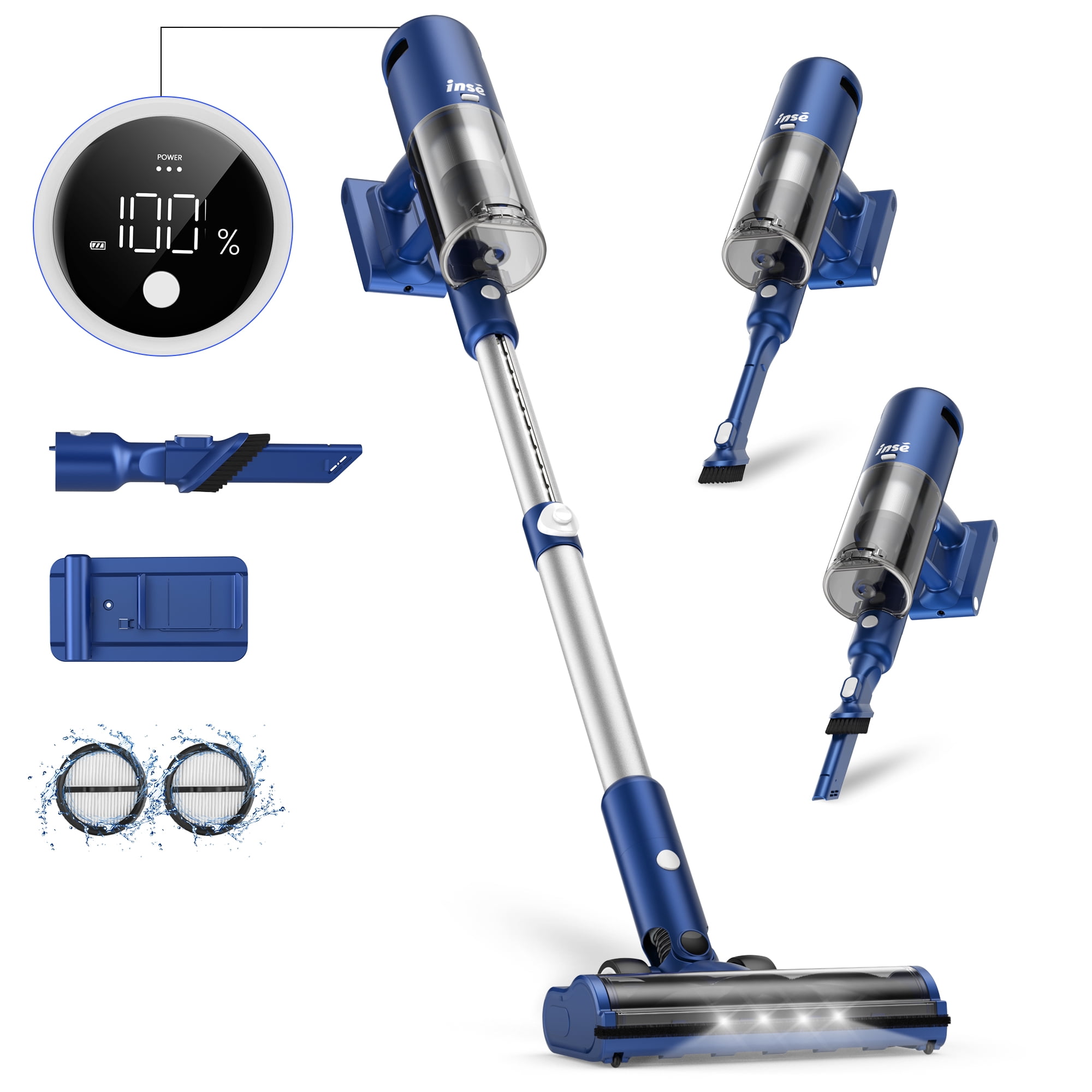
A suitable vacuum must solve two different cleaning problems: removing lightweight pet hair from smooth flooring and collecting heavier debris without damaging the floor finish. The most useful design features are adjustable floor settings, controlled agitation, effective filtration, and attachments for areas beyond the floor.
Essential features
| Feature | Why it matters | What to look for |
|---|---|---|
| Hard-floor mode | Reduces or stops brush-roll agitation | A dedicated setting, floor selector, or brush-roll shutoff |
| Soft roller or gentle floor head | Helps collect hair and fine debris on smooth floors | A roller specifically labeled for hard floors |
| Adjustable suction | Prevents the vacuum from sticking to delicate rugs or lightweight debris | Electronic controls or an airflow valve |
| Sealed filtration | Limits the amount of fine dust and dander escaping around the filter | A sealed system, not only a “HEPA-style” filter |
| Washable or replaceable filter | Keeps airflow consistent over time | Clear maintenance instructions and available replacements |
| Pet-hair tools | Removes hair from upholstery, stairs, and bedding | Motorized mini tool or rubberized bristle tool |
| Crevice tool | Reaches baseboards, floor gaps, and furniture edges | A narrow tool with enough length for corners |
| Easy brush-roll access | Allows hair to be removed before it restricts airflow | Tool-free or simple-access brush housing |
| Stable head design | Helps prevent accidental tipping and floor contact | A head that glides without dragging hard plastic |
Suction is useful, but brush behavior matters just as much
Pet hair is light and can cling to wood through static electricity, surface texture, or moisture. Suction lifts the hair, but the vacuum head determines whether the hair enters the airflow or gets pushed into piles.
A rotating brush can help loosen hair from rugs and textured surfaces. On hardwood, however, aggressive bristles may scatter debris, create noise, or increase the chance of contact between grit and the finish. The safest general approach is to use suction alone or a soft roller on smooth flooring unless the floor-care instructions specifically allow a rotating brush.
Filtration affects indoor air, not hair pickup alone
A HEPA filter is designed to capture very small airborne particles under specified test conditions. That does not automatically mean the vacuum is better at collecting pet hair. Hair is much larger than the particles typically discussed in HEPA filtration claims.
For pet-owning households, filtration matters because vacuuming can disturb dander and fine dust. A sealed vacuum system is more meaningful than a removable HEPA filter by itself. If air leaks around the dust cup, bag, seams, or filter housing, some fine material can bypass the filter.
Manufacturers use different terms for sealed systems, so check the product manual rather than assuming that every vacuum labeled “HEPA” has the same construction.
Why brush-roll shutoff is one of the most important features
A brush-roll shutoff allows the user to disable agitation on hardwood while keeping suction active. This provides more control than using one setting for every surface.
Use the brush roll when:
- Cleaning carpets or low-pile rugs, if the manufacturer permits it
- Removing embedded hair from fabric surfaces with an appropriate tool
- Working on textured flooring approved for that head
Turn it off or select hard-floor mode when:
- Cleaning sealed hardwood
- Picking up loose litter or dry food
- Removing fine dust and hair that a brush would scatter
- Vacuuming near delicate thresholds or transitions
A soft roller is another option, but it should still be designed for hard floors. “Soft” does not mean that every roller is suitable for every wood finish.

Which Type of Vacuum Is Best for Pet Hair and Wood Floors?
No single vacuum style is best for every American home. The right type depends on floor area, stairs, furniture, storage space, and how often pet hair accumulates.
Upright vacuums
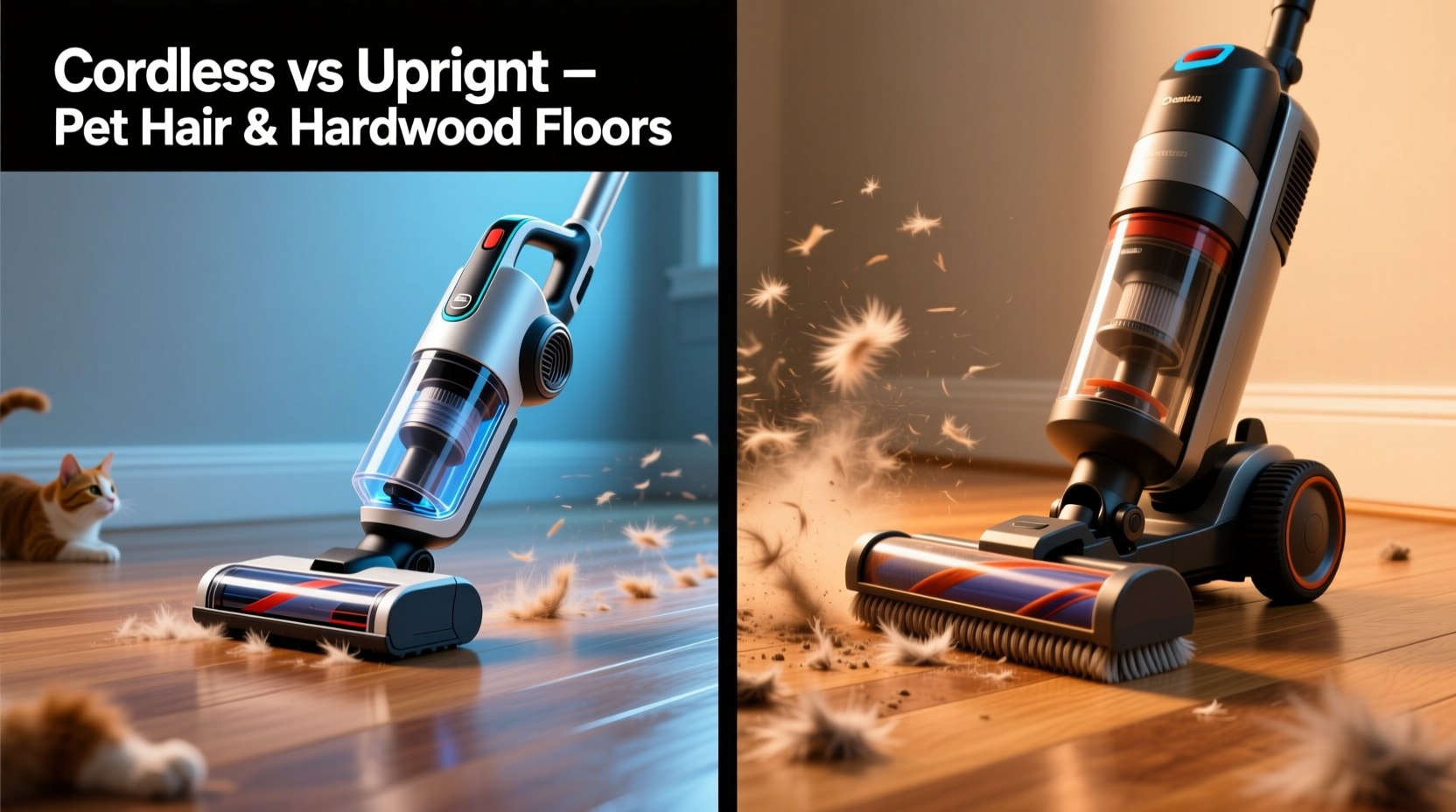
Upright vacuums usually offer strong airflow, a wide cleaning path, and a larger dust container or bag. They can be practical for homes with a mix of hardwood and carpet.
Choose an upright when:
- The home has substantial carpet as well as hardwood
- You want a full-size machine for regular deep cleaning
- You prefer a larger dust capacity
- The vacuum has a reliable hard-floor setting
Potential drawbacks include greater weight, difficulty cleaning stairs, and a larger head that may not fit easily beneath furniture.
Canister vacuums
Canister vacuums often provide good maneuverability on bare floors because the cleaning head is connected to a flexible hose. Many are easier to guide around furniture and can include dedicated parquet or hard-floor heads.
A canister can be a strong choice when:
- Hardwood covers most of the home
- You need to clean under low furniture
- You want several specialized tools
- You prefer a lighter floor head rather than pushing a heavy motor unit
The trade-off is that the hose and canister require more storage space, and dragging the canister across the floor can be inconvenient if the wheels do not move smoothly.
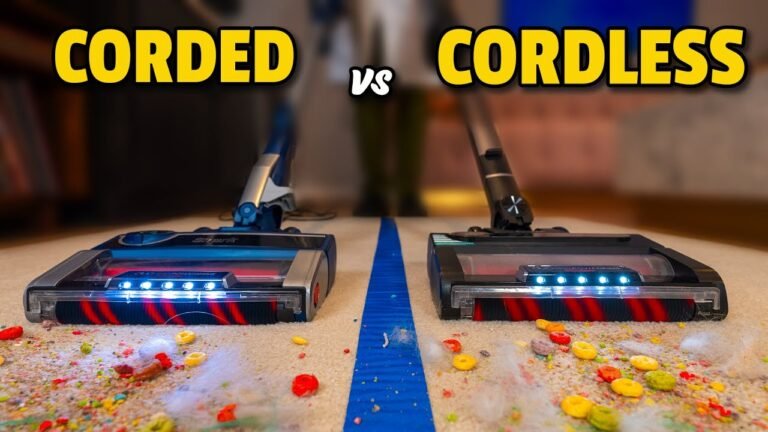
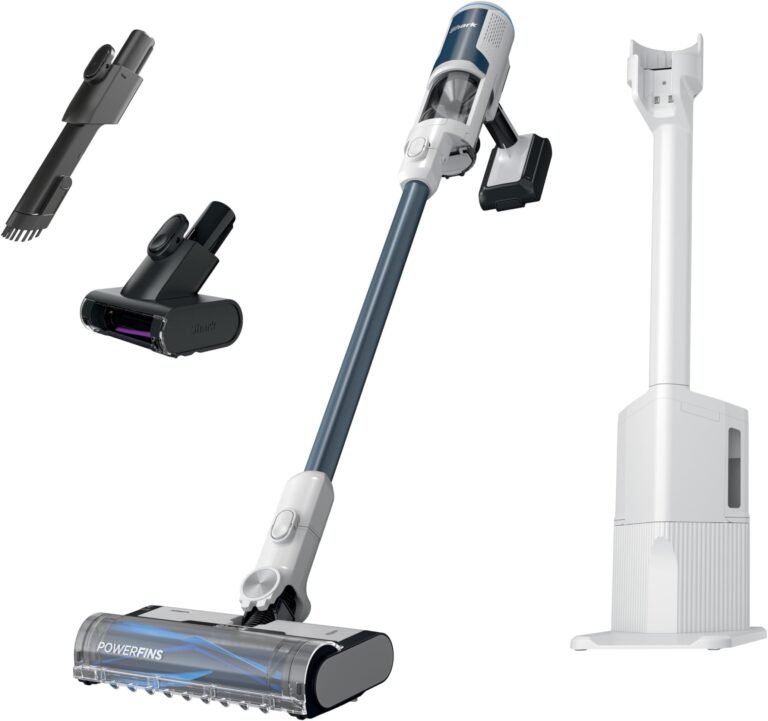
Cordless stick vacuums
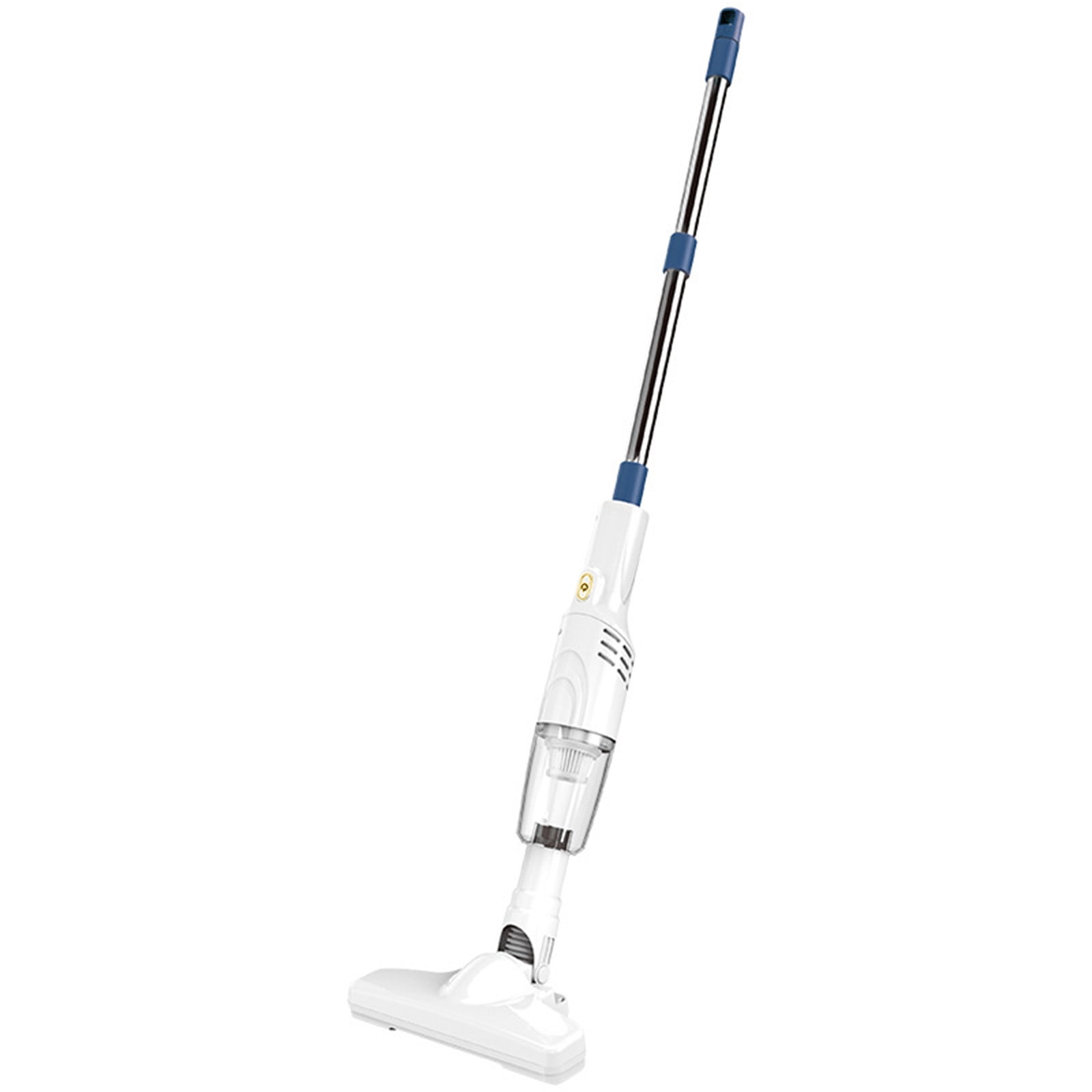
Cordless stick vacuums are convenient for daily hair and crumb removal. Their lighter design makes them useful for quick cleaning, stairs, and furniture.
They work best when:
- Pet hair is removed frequently rather than allowed to build up
- The home has mostly smooth flooring
- You value quick access and compact storage
- The battery provides enough runtime for your cleaning area
Check whether the advertised runtime applies to the lowest power setting. High-power or motorized-head modes can reduce operating time. Battery replacement cost and availability also matter, particularly if the vacuum is expected to last for several years.
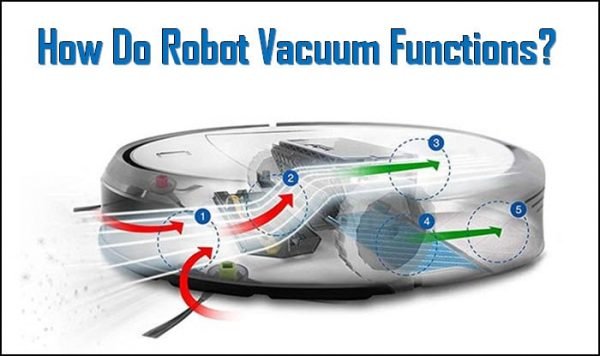
Robot vacuums
Robot vacuums can help maintain hardwood floors between deeper cleanings. They are most effective when the home has clear floor paths and the user is willing to empty the bin, clean the brush, and remove cords or small objects.
A robot vacuum may be less suitable when:
- Pet hair is heavy and the dust bin is small
- Long hair frequently wraps around the main brush
- The home has high thresholds or multiple levels
- Pet accidents or wet debris are possible
- You need reliable cleaning of upholstery, stairs, and baseboards
Robot vacuums supplement rather than replace a full vacuum for most pet households. They cannot clean furniture, curtains, stairs, or narrow edges as thoroughly as a hose-based vacuum.
Handheld vacuums
Handheld models are useful for targeted cleanup on sofas, car seats, stairs, and pet beds. They are usually not a practical primary vacuum for an entire home.
For pet hair, a handheld vacuum should have:
- A motorized mini brush or rubberized pet tool
- A filter that can be cleaned or replaced
- Enough battery capacity for the intended job
- A bin that can be emptied without releasing a cloud of dust
A simple selection guide
| Home situation | Vacuum type to consider | Important qualification |
|---|---|---|
| Mostly hardwood, few rugs | Canister or hard-floor stick vacuum | Choose a gentle head and edge-cleaning tool |
| Hardwood plus wall-to-wall carpet | Upright or canister with floor controls | Confirm that brush settings are easy to change |
| Small apartment with daily shedding | Cordless stick | Verify battery runtime and replacement battery policy |
| Open-plan home with frequent light debris | Robot plus secondary vacuum | The robot will not replace stairs or upholstery cleaning |
| Many stairs and furniture surfaces | Canister or cordless stick with hose/tools | Tool access and weight may matter more than bin size |
| Long-haired pets | Vacuum with accessible, anti-tangle brush | No anti-tangle feature eliminates all manual cleaning |

How to Vacuum Pet Hair From Hardwood Floors Without Damage
The safest method is to remove loose grit first with suction or a suitable hard-floor head, then clean edges and furniture separately. Avoid dragging hard debris across the floor with an aggressive rotating brush.
Step 1: Check the floor and vacuum head
Before cleaning, inspect the floor for:
- Sand, gravel, or other abrasive grit
- Wet spills
- Loose finish, splinters, or damaged boards
- Floor mats with rubber or latex backing
- Cords, pet toys, and small objects
Check the vacuum head for trapped grit or a damaged wheel. A small stone caught in the head can scratch the floor even if the vacuum is marketed for hardwood.
Step 2: Select hard-floor mode
Use the manufacturer’s hard-floor setting. If the vacuum has a brush-roll switch, turn the brush roll off unless the manual specifically recommends using it on the floor.
If the vacuum has suction adjustment, begin with a moderate level. Excessive suction can make some heads difficult to move and may pull lightweight mats toward the nozzle.
Step 3: Clean in overlapping passes
Move the vacuum slowly enough for the airflow to collect hair and dust, but do not repeatedly scrub the same area with a spinning brush. Overlap each pass slightly so hair is not left in narrow strips between the head and the previous pass.
For wide rooms, clean in sections. This helps reveal whether hair is being collected or simply pushed toward the next area.
Step 4: Work along edges and baseboards
Pet hair commonly collects where the floor meets the wall. Use a crevice tool or a soft-bristle attachment along:
- Baseboards
- Room corners
- Under cabinet overhangs
- Around floor vents
- Beside furniture legs
- Along stair edges
Do not force a rigid nozzle into expansion gaps or between boards. The goal is to remove surface debris without widening or damaging the joint.
Step 5: Clean furniture and pet areas
Vacuum upholstery, pet beds, and fabric mats with the appropriate attachment. A motorized mini tool can help with embedded hair, but use the lowest effective setting on delicate fabric.
Washable pet bedding should be handled according to its care label. Removing loose hair before washing can reduce the amount that enters the washer drain and filter.
Step 6: Empty and inspect the vacuum
Empty a bagless dust cup before debris reaches the maximum line. A full container can reduce airflow and make hair pickup worse. After cleaning, inspect:
- The brush roll
- The intake opening
- Filters
- Wheels
- The hose and wand
- The dust-cup seal
Allow washable filters to dry completely before reinstalling them. Operating a vacuum with a damp filter can restrict airflow and may damage the machine.
Signs that the method is working
You should see:
- Less hair collecting in floor corners
- No visible trail of debris behind the head
- Consistent airflow
- A brush roll that remains free of long hair
- No unusual scraping or grinding sound
- No new scuffing or scratching on the floor
If hair remains after several passes, the problem may be the head design, a clogged intake, a full bin, a dirty filter, or hair that has become attached through static or floor texture.

How to Compare Vacuums for Pet Hair and Hardwood Floors
Use performance-related features and ownership factors together. A vacuum with high advertised wattage is not automatically more effective because real cleaning depends on airflow, nozzle design, filtration, and how well the head maintains contact with the surface.
1. Start with the floor head
The floor head has more direct contact with the floor than most other components. Check whether it includes:
- A soft roller
- Felt or soft wheels
- A bristle strip that retracts or can be disabled
- An edge-cleaning opening
- A removable cover for hair removal
- A hard-floor-specific designation
Avoid a head with exposed, rough plastic edges or wheels that feel gritty when moved across a clean surface.
2. Evaluate pet-hair tools separately
A floor head that works well on hardwood may not remove hair from a sofa. For mixed cleaning, look for a tool designed for upholstery and stairs.
Rubberized tools can attract and gather hair through friction. Motorized mini brushes can loosen embedded hair more aggressively. Each has limits: rubber tools may drag on delicate fabrics, while motorized tools can wrap with long hair and require regular maintenance.
3. Check dust capacity and disposal
Bagged vacuums generally contain dust and hair during disposal, which can be helpful for people sensitive to dust. Bagless models avoid replacement bags but can release debris when the cup is emptied.
Consider:
- The usable capacity rather than only the stated capacity
- Whether the dust cup opens from the bottom
- Whether hair gets stuck above the cup
- The cost and availability of bags
- Whether the design requires touching the debris
4. Investigate noise and weight
Manufacturer noise ratings may be measured under specific conditions and may not directly predict how loud a vacuum sounds in a furnished room. If possible, check independent measurements made with a stated method.
Weight should include the configuration used most often. A lightweight body may still feel heavy if the floor head resists movement or the wand is poorly balanced.
5. Confirm parts and maintenance support
Pet hair creates more maintenance than ordinary dust. Before buying, verify that the manufacturer provides:
- Replacement filters
- Brush rolls
- Belts, if applicable
- Battery replacements for cordless models
- Compatible tools
- A manual with maintenance intervals
- Warranty terms for the United States
A vacuum that performs well initially may become less useful if filters or brush components are difficult to obtain.
6. Do not treat “pet” as a performance standard
“Pet” in a product name may indicate an included tool, a color, a marketing package, or a genuine design change. Compare the actual specifications:
- Is the brush roll removable?
- Is the hard-floor setting independent from carpet mode?
- Is the filtration system sealed?
- Does the pet tool have a motor?
- Are replacement parts sold?
- What floor types does the manual approve?
These details are more informative than the label alone.
Common Mistakes When Vacuuming Hardwood With Pets
Several habits can reduce cleaning performance or damage the floor over time.
Using a carpet brush on every surface
A stiff rotating brush can scatter hair and grit on smooth floors. It may also be unsuitable for certain finishes. Use the floor mode recommended by the vacuum and flooring manufacturer.
Assuming more suction is always better
Maximum suction can make the head difficult to move and may pull up loose mats or lightweight debris. Strong airflow is useful, but controllability matters.
Ignoring sand and litter
Pet hair is not the only risk. Cat litter, sand, and grit can act as abrasives under a moving floor head. Remove larger particles promptly and inspect the head for trapped debris.
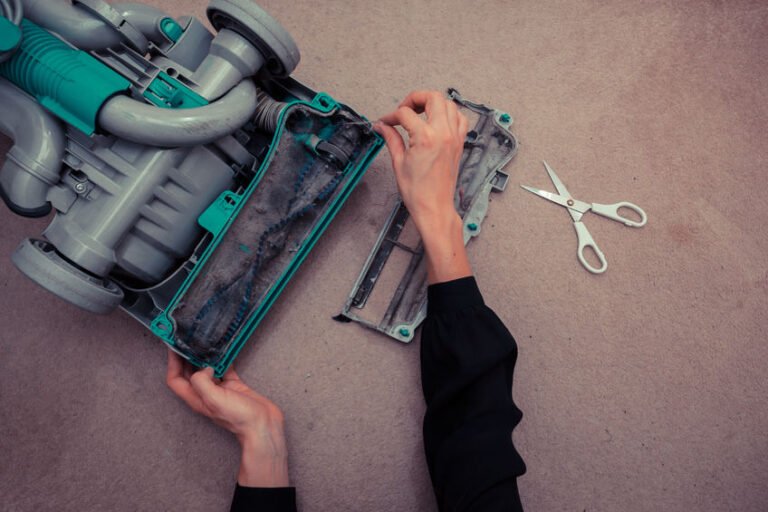
Waiting until the brush roll stops turning
Long hair can wrap around a brush roll and restrict airflow. It can also place extra load on the motor. Establish a routine for cutting and removing wrapped hair according to the manual.
Vacuuming wet pet accidents
Most household vacuums are designed for dry debris only. Do not use a dry vacuum on urine, water, vomit, or other liquid unless the machine is specifically rated as a wet/dry vacuum and the manual permits that material. Wet debris can damage components and create sanitation problems.
For pet accidents on hardwood, follow the flooring manufacturer’s cleaning guidance. Avoid saturating wood flooring, especially around seams and unsealed areas.
Skipping filter maintenance
A clogged filter can cause weak suction, overheating, and poor dust containment. Clean or replace filters on the schedule specified for the particular model. Never reinstall a washable filter while it is still damp.
Using steam or harsh chemicals nearby
A vacuum does not replace proper floor-care methods. Steam, excess water, ammonia-based products, and abrasive cleaners may be unsuitable for some wood finishes. Use the flooring manufacturer’s recommendations when a separate wet-cleaning step is needed.
Relying only on a robot vacuum
Robots generally cannot clean upholstery, stairs, baseboard edges, or high-shedding areas as completely as a manual vacuum. Use them for maintenance, not as the only cleaning method when pet hair is substantial.
Maintenance Schedule for a Pet-Hair Vacuum
Regular maintenance protects performance more effectively than occasional deep cleaning after the vacuum begins losing suction.
| Component | What to do | Typical trigger |
|---|---|---|
| Dust cup or bag | Empty or replace before it is overfilled | After heavy shedding or when airflow declines |
| Brush roll | Remove wrapped hair and inspect for damage | Weekly or whenever hair is visible |
| Floor-head intake | Clear lodged litter, fur, and debris | Whenever pickup decreases |
| Filters | Clean or replace according to the manual | At the stated interval or when visibly dirty |
| Hose and wand | Check for blockages | When suction drops suddenly |
| Wheels | Remove hair and grit | During brush-roll cleaning |
| Seals and gaskets | Wipe away dust and inspect for damage | During routine maintenance |
| Battery | Follow charging and storage instructions | When runtime changes noticeably |
There is no universal maintenance interval because shedding levels, floor area, vacuum design, and filter type vary. A home with multiple long-haired pets may need brush cleaning much more often than a home with one short-haired pet.
Troubleshooting weak pickup
Check these causes in order:
- Full dust cup or bag: Empty or replace it.
- Blocked floor head: Remove visible hair and debris.
- Wrapped brush roll: Cut away hair only as directed by the manual.
- Dirty filter: Clean or replace the filter.
- Blocked hose or wand: Disconnect sections and inspect them.
- Incorrect floor setting: Select hard-floor mode or the approved brush setting.
- Damaged seal or belt: Stop using the vacuum if it smells hot, makes a grinding noise, or shows visible damage.
If a vacuum overheats repeatedly after basic maintenance, unplug it and seek manufacturer service rather than continuing to run it.
Key Takeaways
- Choose a vacuum with hard-floor mode or brush-roll shutoff.
- A soft roller can be useful for smooth floors, but confirm that the manufacturer approves it for the finish.
- For pet dander, look for a sealed filtration system, not just a HEPA label.
- Choose a vacuum with a dedicated upholstery or motorized pet-hair tool if pets shed on furniture.
- Cordless sticks are convenient for frequent cleaning; canisters and uprights may offer greater capacity and versatility.
- Robots can maintain open hardwood areas but usually cannot replace manual cleaning of stairs, upholstery, corners, and baseboards.
- Remove grit, litter, and wrapped hair promptly to reduce scratching and maintain airflow.
- Never use a standard dry vacuum on liquids or wet pet accidents.
Frequently Asked Questions
Is a cordless stick vacuum good for pet hair on hardwood floors?
Yes, a cordless stick vacuum can be effective for daily pet hair on hardwood when it has a suitable hard-floor head and enough battery capacity for the home. Check whether high-power mode shortens runtime and whether replacement batteries are available. It may be less suitable as the only vacuum in a large home with thick carpet, stairs, and heavy shedding.
Should I use the brush roll on hardwood floors?
Use the brush roll only when the vacuum and flooring instructions allow it. In general, turn it off or select hard-floor mode on sealed hardwood to reduce scattering and unnecessary agitation. A soft roller designed for hard floors may be an acceptable alternative.
Are bagged vacuums better for homes with pets?
Bagged vacuums can contain dust and hair more neatly during disposal, especially when the bag is sealed. Bagless vacuums can also work well, but emptying the dust cup may release debris. The better option depends on disposal preference, filter design, bag cost, and ongoing parts availability.
Does HEPA filtration remove pet dander?
A properly functioning HEPA filter can capture very small airborne particles under its specified testing conditions, but the result depends on the entire vacuum system. A filter that is not sealed into the airflow path may allow leakage. HEPA filtration also does not eliminate dander already settled on furniture, bedding, or floors.
How often should I vacuum hardwood floors with pets?
The appropriate schedule depends on shedding, the number of pets, outdoor debris, and household sensitivity to dust. Many pet households benefit from short, frequent cleanups in high-traffic areas and a more thorough weekly session that includes edges, furniture, and pet bedding. Vacuum when visible hair or grit appears rather than relying only on a fixed calendar.
Can a vacuum scratch hardwood floors?
A vacuum can contribute to scratching if grit becomes trapped under the head, wheels are damaged, or a rough brush or nozzle is used improperly. Inspect the head, remove abrasive debris, use the approved floor setting, and avoid dragging attachments across the surface.
Conclusion
The best vacuum for pet hair and hardwood floors is not necessarily the most powerful or the most expensive model. It is the one that gives you control over brush agitation, collects hair without scattering grit, contains fine dust, reaches furniture and edges, and remains practical to maintain.
For mostly hardwood homes, prioritize a gentle hard-floor head, brush-roll control, edge-cleaning access, sealed filtration, and a pet tool. For homes with carpet and multiple pets, consider a full-size vacuum with separate floor settings and an accessible brush roll. Before buying, read the manual’s approved floor types and confirm that filters, brush rolls, batteries, bags, and other replacement parts are available in the United States.
The next practical step is to identify your floor mix, pet-hair locations, and cleaning frequency, then compare vacuums by head design and maintenance requirements rather than by “pet” branding or suction claims alone.
Sources and Further Reading
- U.S. Environmental Protection Agency: Indoor Air Quality and Pets
- U.S. Environmental Protection Agency: HEPA Filters and Air Cleaners
- National Wood Flooring Association: Hardwood Floor Care
- U.S. Consumer Product Safety Commission: Home Product Safety
- The owner’s manual and floor-care instructions for the specific vacuum and hardwood finish being used