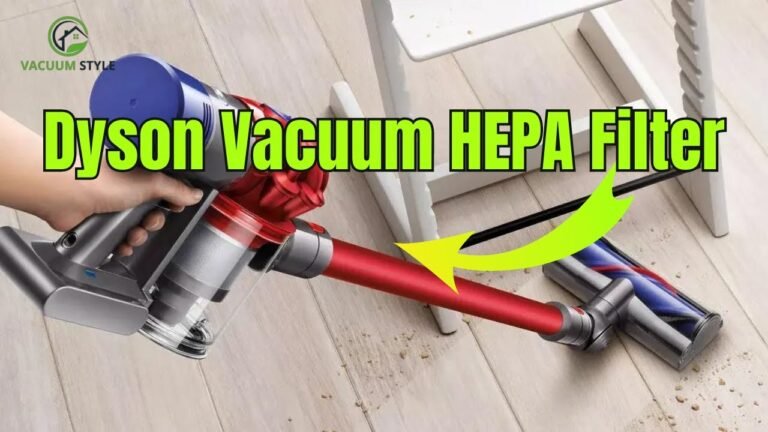
cordless vacuums can match corded models on many floors, but corded vacuums still lead in sustained power.
The answer to “Are Cordless Vacuums as Powerful as Corded?” depends on the vacuum type, battery, floor, and cleaning task. Modern cordless models offer strong suction, smart power control, and great mobility. Still, corded machines often provide longer runtime and steady performance for deep cleaning.
This guide explains the real differences in suction, airflow, battery life, carpet cleaning, filtration, noise, and long-term value. You will also learn what to check before buying, based on common lab measures and practical home cleaning needs.
Are Cordless Vacuums as Powerful as Corded?
In simple terms, cordless vacuums are often powerful enough for daily cleaning. Some premium cordless stick vacuums can pick up dust, crumbs, pet hair, and surface debris as well as many corded models.
The main difference is not always peak suction. It is sustained power. A corded vacuum can draw electricity from a wall outlet for as long as needed, while a cordless vacuum must rely on a battery.
When people ask, “Are Cordless Vacuums as Powerful as Corded?” they often mean three things:
- How much suction can the vacuum create?
- How well does it clean carpets and hard floors?
- Can it maintain that power during a full cleaning session?
A quality cordless vacuum may perform very well for 20 to 60 minutes. A corded vacuum may keep its full output for hours, provided the motor does not overheat and the filters stay clean.
The gap is smaller than it was a few years ago. Better lithium-ion batteries, brushless motors, sealed air paths, and automatic suction controls have helped cordless vacuums improve quickly.
Suction Power and Airflow Explained
Suction power and airflow are related, but they are not the same. Suction is the pulling force created by the motor. Airflow is the amount of air moving through the vacuum system.
A vacuum needs both. Strong suction helps lift dirt from a surface. Good airflow carries that dirt through the hose, brush roll, filter, and dust bin.
Manufacturers may list power in different ways, such as:
- Air watts
- Watts
- Pascals
- Volts
- Cubic feet per minute
These numbers can be confusing. Motor watts show electrical input, not direct cleaning performance. A high voltage rating also does not guarantee better pickup.
A better design can clean well with a smaller motor. Important design features include:
- A sealed body that prevents air leaks
- A well-shaped floor head
- Strong brush roll contact
- A clean filter system
- A short and efficient air path
- Automatic adjustment for floor type
This is why asking only, “Are Cordless Vacuums as Powerful as Corded?” can lead to an incomplete answer. A vacuum’s whole system matters more than one number on the box.
Independent vacuum testing commonly measures debris pickup, airflow, filtration, and resistance to clogging. Test methods such as ASTM and IEC standards help create fair comparisons, but home results can still vary by flooring, dirt type, and maintenance.
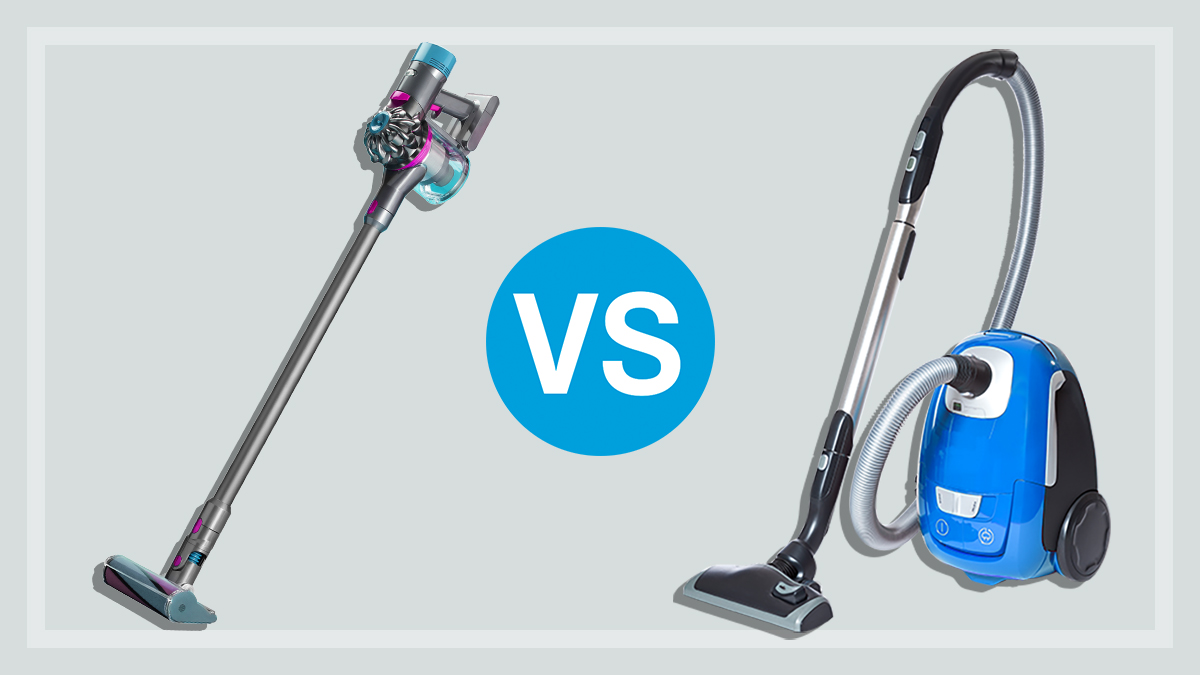
Cordless vs. Corded Vacuum Performance
The best choice depends on where and how you clean. Here is a practical comparison.
| Feature | Cordless vacuum | Corded vacuum |
|---|---|---|
| Power source | Rechargeable battery | Wall outlet |
| Runtime | Limited by battery size and mode | Usually continuous |
| Mobility | Excellent | Limited by cord |
| Weight | Often lighter as a stick model | Often heavier, especially uprights |
| Deep carpet cleaning | Good to excellent on premium models | Often very strong |
| Large homes | May need extra batteries | Usually convenient for long sessions |
| Storage | Easy to store | Needs cord storage |
| Maintenance | Battery care is important | Fewer battery concerns |
| Noise | Often moderate to high in boost mode | Varies by motor and design |
So, are cordless vacuums as powerful as corded models in daily use? Often, yes. Are cordless vacuums as powerful as corded models during long, heavy-duty cleaning? Usually, no.
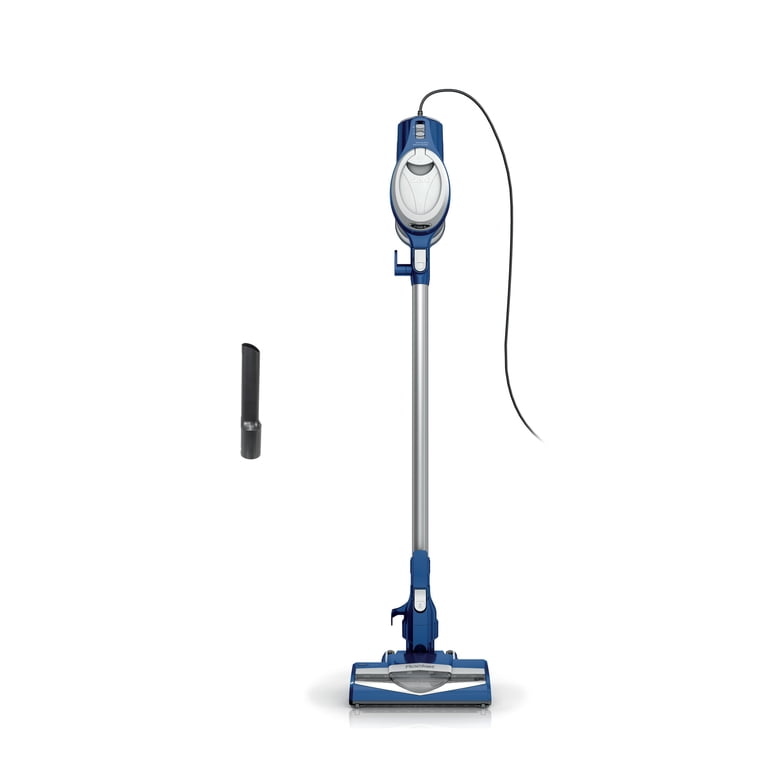
A corded upright may be better for thick carpet, large homes, workshops, and repeated cleaning. A cordless stick vacuum may be better for apartments, stairs, quick spills, and homes with many hard floors.
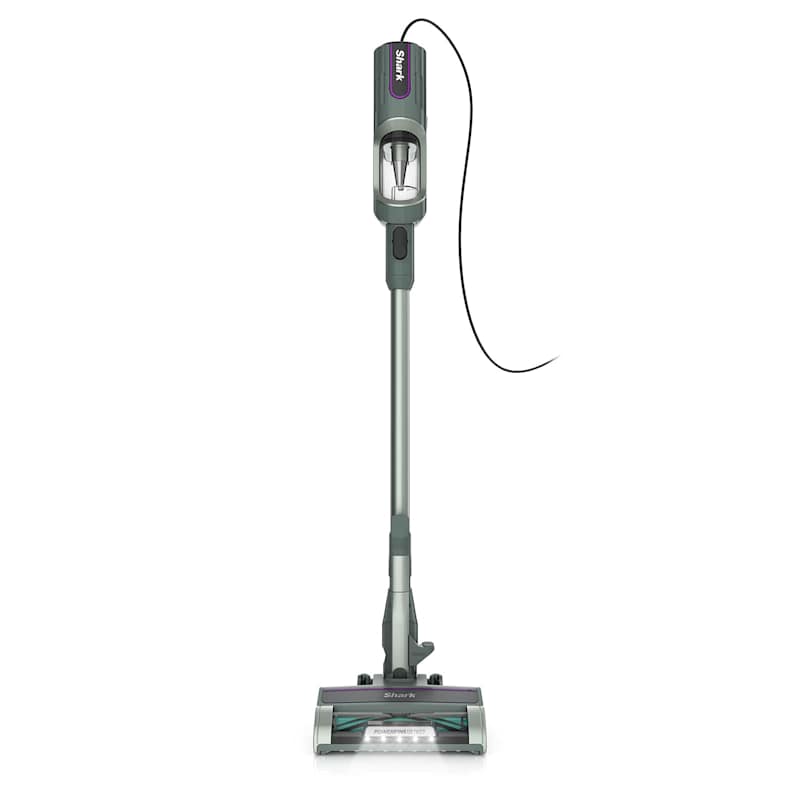
How Cordless Vacuums Perform on Different Floors
Floor type has a major effect on cleaning performance. A vacuum that feels powerful on tile may struggle on thick carpet.
Hard floors
Cordless vacuums perform very well on hardwood, laminate, vinyl, and tile. Their soft roller heads can collect fine dust while reducing the risk of scratches.
Many models also allow you to lower suction. This helps prevent the head from sticking to smooth floors.
Low-pile carpets
Most good cordless vacuums handle low-pile carpet well. Their rotating brush rolls lift crumbs, hair, and dust from the surface.
A motorized head is important here. A plain suction-only tool may leave embedded dirt behind.
Thick carpets
Thick carpet is where corded machines often show their advantage. Deep carpet can hold sand, dust, hair, and fine particles below the surface.
A premium cordless vacuum may still clean it well, especially in boost mode. However, boost mode uses more battery and may reduce runtime to only a few minutes.
Pet hair
Cordless vacuums can be excellent for pet hair when they have:
- A tangle-resistant brush roll
- Strong airflow
- A motorized mini tool
- A sealed filtration system
- Easy-to-clean brush parts
For homes with several pets, a corded vacuum may offer better long-session performance. For quick daily hair removal, cordless models are often more convenient.
Battery Life and Power Fade
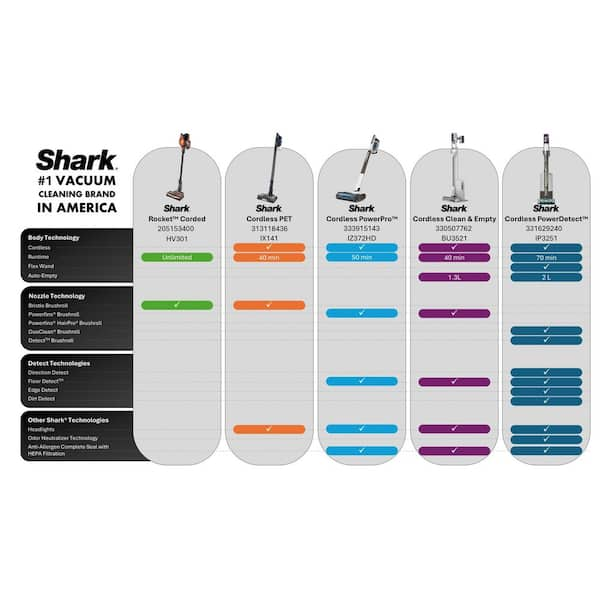
Battery life is one of the clearest differences between cordless and corded vacuums. A cordless vacuum may run for 40 minutes in its lowest setting, but much less in maximum mode.
Advertised runtime often applies to the vacuum without a motorized floor head. Using the main brush roll can reduce the actual time.
Runtime also changes with:
- Suction level
- Floor head type
- Battery age
- Room temperature
- Blocked filters
- Hair wrapped around the brush
- Battery capacity
A useful rule is to estimate your cleaning time before buying. If your home takes 20 minutes to clean, a model rated for 40 minutes may work well. If you clean a large house for an hour, consider a removable spare battery or a corded vacuum.
Battery power can also fade during a session. Some models keep strong performance until the battery is nearly empty. Others reduce suction as the charge drops.
This is another reason the answer to “Are Cordless Vacuums as Powerful as Corded?” is not always simple. A cordless vacuum may begin with impressive power but cannot provide unlimited cleaning time.
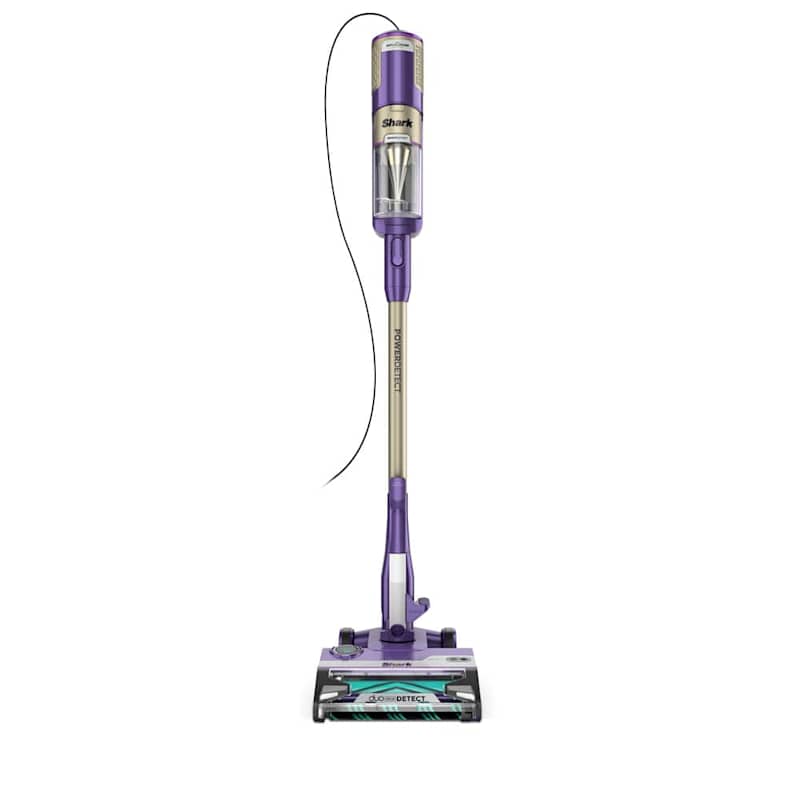
Why Corded Vacuums Still Have an Advantage
Corded vacuums have three major strengths: steady power, large capacity, and long cleaning time.
A corded motor can keep running without waiting for a recharge. This makes it useful for deep cleaning, move-out cleaning, garages, and homes with wall-to-wall carpet.
Many corded upright vacuums also have wider cleaning heads. A wider head can reduce the number of passes needed across a room.
Corded canister vacuums may also offer strong suction through a longer hose. This makes them useful for stairs, furniture, curtains, and hard-to-reach areas.
However, corded models have drawbacks:
- You must find an outlet.
- The cord can catch on furniture.
- Storage can be harder.
- The machine may be heavier.
- Moving between floors can be less convenient.
In practical tests, a corded vacuum often wins at deep carpet cleaning. A cordless vacuum often wins at speed and convenience. The stronger vacuum is not always the one that gets used most often.
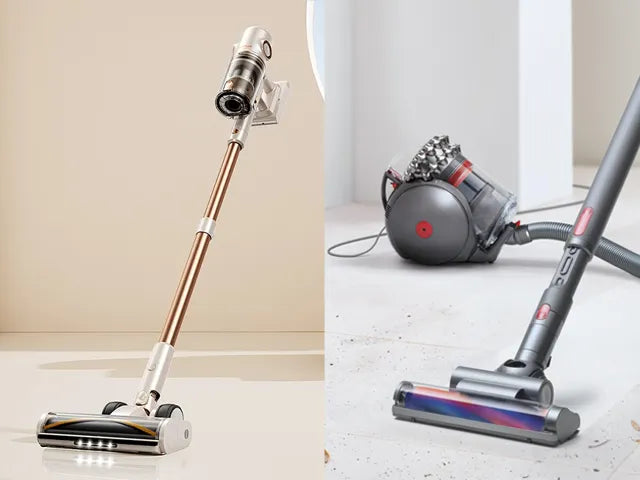
Why Cordless Vacuums Can Feel More Powerful
Cordless vacuums can feel surprisingly strong because the cleaning head is close to the motor. A short air path can reduce energy loss.
Their powered brush rolls also help. The brush agitates carpet fibers and lifts dirt that suction alone might miss.
Many premium models use sensors to detect floor type or debris levels. The vacuum then raises or lowers suction as needed. This can improve cleaning while saving battery power.
Cordless vacuums also make frequent cleaning easier. A quick five-minute cleaning session can prevent dirt from building up. Over a week, that habit may produce a cleaner home than using a stronger corded vacuum only once.
This is an important real-world lesson. Power matters, but frequency matters too. The most useful vacuum is often the one that is easy to grab, carry, and use.

Common Mistakes That Reduce Vacuum Power
Even the best vacuum can lose performance when basic maintenance is ignored. Many complaints about weak suction come from blockages rather than a weak motor.
Avoid these common mistakes:
- Letting the dust bin fill past its recommended line
- Washing a filter without allowing it to dry fully
- Using the wrong filter for the model
- Ignoring hair wrapped around the brush roll
- Blocking the floor head with large objects
- Running boost mode for every cleaning task
- Storing a battery in extreme heat or cold
- Failing to check the wand for clogs
A dirty filter restricts airflow. A clogged tube forces the motor to work harder. A tangled brush roll may stop spinning or leave streaks of debris.
For best results, empty the bin after each major cleaning session. Check the brush roll weekly if you have pets. Wash washable filters according to the manual and let them dry completely before reinstalling them.
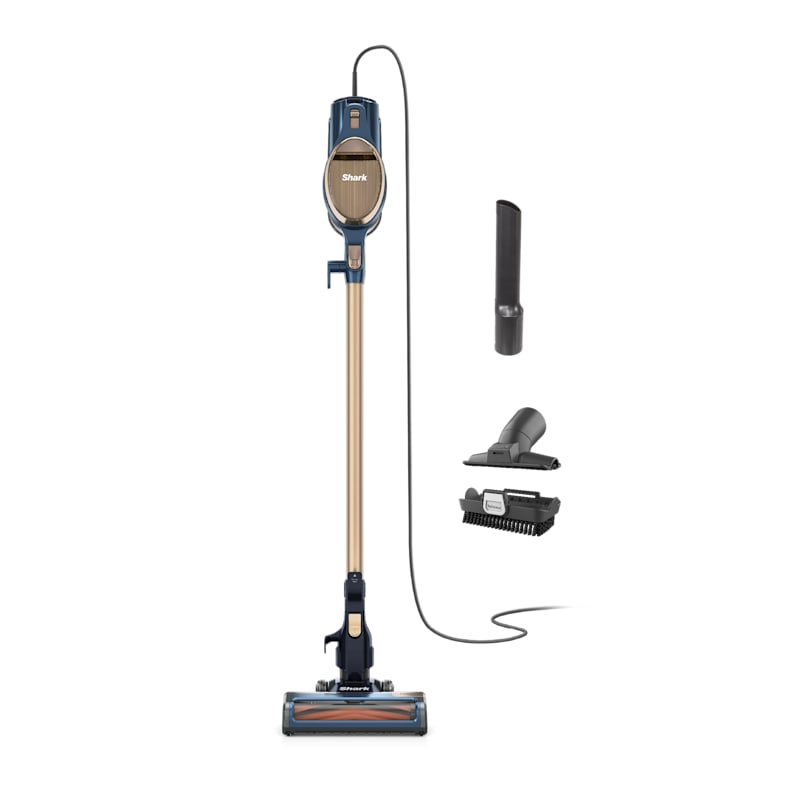
How to Choose the Right Vacuum
Start with your home, not the advertisement. Think about your floor type, cleaning time, storage space, and budget.
Use this checklist:
- Count the amount of carpet in your home.
- Check whether the vacuum has a powered floor head.
- Look for a removable battery.
- Compare runtime with the motorized head attached.
- Check the cost of replacement batteries and filters.
- Look for a sealed filtration system.
- Read independent pickup tests when available.
- Check the dust bin size.
- Consider the warranty length.
- Confirm that replacement parts are easy to find.
Choose a cordless model when convenience is your top goal. It is often ideal for apartments, small homes, hard floors, stairs, and daily spot cleaning.
Choose a corded model when you need long sessions, deep carpet cleaning, large capacity, or strong performance without battery limits.
A hybrid approach can also work well. Some households use a cordless vacuum for daily cleaning and a corded upright for monthly deep cleaning.
Are Premium Cordless Vacuums Worth the Cost?
Premium cordless vacuums can cost more because they include stronger motors, better batteries, advanced floor heads, and improved filtration. They may also offer useful features such as automatic suction control and dust sensors.
The higher price is worthwhile when you use the vacuum often. Convenience has real value. If a cordless vacuum helps you clean more frequently, it may improve your home more than a cheaper machine that stays in a closet.
Still, an expensive cordless vacuum is not always the best choice. Some mid-range models offer excellent hard-floor cleaning and reliable pet-hair pickup.
Before buying, compare total ownership cost:
- Purchase price
- Replacement battery price
- Filter cost
- Brush roll cost
- Warranty coverage
- Expected repair costs
The answer to “Are Cordless Vacuums as Powerful as Corded?” may be yes for a premium model on everyday surfaces. But value depends on your cleaning needs, not just peak specifications.
Practical Tips for Better Cordless Vacuum Results
You can get more cleaning power from a cordless vacuum with a few simple habits.
Use the lowest effective power setting on hard floors. Save maximum mode for thick carpet, pet hair, and stubborn debris.
Move slowly over dirty areas. A slower pass gives the brush roll more time to lift dust.
Make two passes in different directions on carpet. This can improve pickup without using maximum power for the entire room.
Clean the filter before suction becomes weak. Do not wait for the vacuum to shut down or display a warning.
Keep the battery between moderate charge levels during long-term storage when the manual allows it. Follow the maker’s guidance, since battery care instructions vary by model.
In everyday cleaning, technique can matter as much as motor strength. A steady pass with a clean filter often beats a fast pass with a clogged vacuum.
Frequently Asked Questions About Are Cordless Vacuums as Powerful as Corded
Are cordless vacuums as powerful as corded vacuums?
Some premium cordless vacuums match corded models for daily cleaning on hard floors and low-pile carpets. Corded vacuums usually maintain stronger performance for long sessions and deep carpet cleaning.
Do cordless vacuums lose suction as the battery gets low?
Some cordless models reduce power as the battery charge drops, while others maintain output until they shut off. A clogged filter, full bin, or tangled brush can also cause suction loss.
Are cordless vacuums good for thick carpet?
They can be good for thick carpet when they have strong airflow and a powered brush roll. However, corded uprights often provide better sustained deep cleaning and longer operating time.
How long do cordless vacuum batteries last?
A battery may provide several years of useful service, but its capacity declines with age and use. Runtime depends on the power setting, floor head, cleaning mode, temperature, and battery design.
Are cordless vacuums better for pet hair?
Cordless vacuums can be excellent for daily pet hair when they include a tangle-resistant brush roll and a motorized pet tool. Homes with several pets may benefit from a corded model for longer deep-cleaning sessions.
Do higher watts mean a stronger vacuum?
Not always. Watts usually describe electrical input, not actual cleaning ability. Airflow, suction, floor-head design, brush action, and filtration all affect real pickup.
Should I buy a cordless or corded vacuum?
Buy cordless for fast, flexible cleaning and easy storage. Buy corded for large homes, thick carpet, heavy debris, and unlimited cleaning time.
Conclusion
So, are cordless vacuums as powerful as corded models? Many are powerful enough for everyday floors, pet hair, stairs, and quick messes. Corded vacuums still have an edge in sustained power, deep carpet cleaning, and long sessions.
Choose based on your floors, home size, cleaning habits, and battery needs. A cordless vacuum is a smart choice when convenience helps you clean more often, while a corded model remains a dependable tool for demanding work.
Compare real cleaning tests, battery runtime with the main head attached, replacement costs, and warranty terms before you buy. Then choose the vacuum that fits your routine, and share your experience or questions in the comments.