
A cordless vacuum cleaner backpack combines hands-free comfort, strong suction, and battery power for faster cleaning.
A cordless vacuum cleaner backpack is more than a regular vacuum with shoulder straps. It is a compact commercial cleaning system built for mobility, quick response, and long work sessions. After comparing backpack designs, battery systems, filters, harnesses, and real cleaning needs, I found that the best choice depends on comfort, airflow, floor type, noise, and runtime—not just suction power. This guide explains what to look for, where these vacuums work best, and which mistakes to avoid.

What Is a Cordless Vacuum Cleaner Backpack?
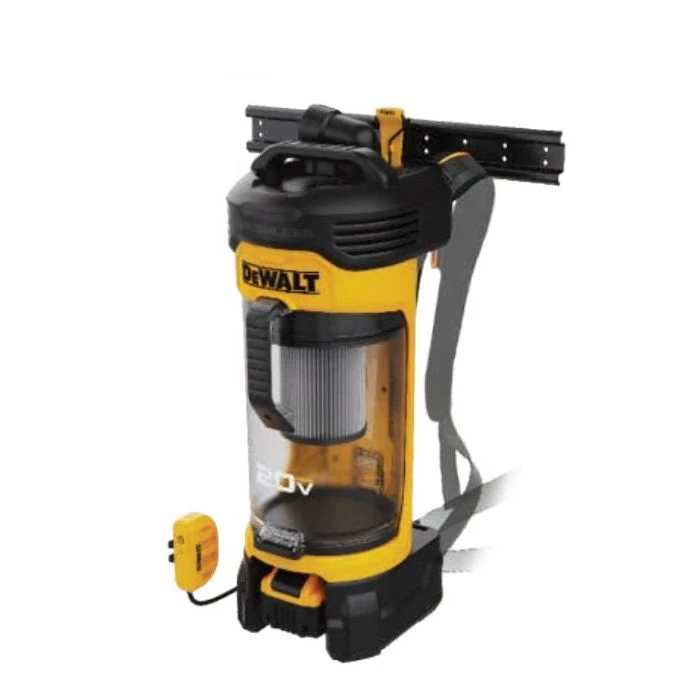
A cordless vacuum cleaner backpack is a battery-powered vacuum that you wear on your back. It usually includes a motor, dust container, filter, battery pack, shoulder straps, and a flexible hose connected to a cleaning wand.
Unlike an upright vacuum, this design keeps both hands free. You can walk, reach under desks, clean stairs, and move through narrow spaces without pulling a heavy machine behind you.
Most models are made for commercial or professional use. They are common in:
• Office buildings
• Schools and colleges
• Hotels
• Retail stores
• Movie theaters
• Aircraft cabins
• Restaurants
• Churches and public buildings
• Large homes with stairs or many rooms
A cordless vacuum cleaner backpack often weighs between 10 and 20 pounds, depending on its battery and motor. That may sound heavy at first, but the weight sits close to your body when the harness is properly adjusted.
The main difference between a backpack vacuum and a standard cordless stick vacuum is airflow. Backpack models often use wider hoses and stronger motors. They are designed to clean large areas for longer periods.
How a Cordless Vacuum Cleaner Backpack Works
The battery supplies power to a high-speed motor. The motor creates negative air pressure, which pulls dust and debris through the hose and into a bag or dirt container.
Air then passes through one or more filters. These filters capture dust before the air leaves the machine. Some models use multi-stage filtration, while others offer HEPA filters for finer particles.
A typical system includes:
- Rechargeable lithium-ion battery
- Motor and fan assembly
- Dust bag or reusable dirt container
- Primary filter
- Secondary or exhaust filter
- Flexible hose
- Floor tool or cleaning attachment
- Padded shoulder and waist harness
The motor’s power is only one part of cleaning performance. Airflow, hose design, brush quality, filter condition, and floor contact also matter.
For example, a vacuum may have impressive advertised suction but perform poorly if its filter is clogged. In daily use, clean airflow is like a clear road. Even a powerful engine cannot move well through a blocked path.

Benefits of a Cordless Vacuum Cleaner Backpack
A cordless vacuum cleaner backpack can make large cleaning jobs faster and less tiring when the design fits the user.
Hands-Free cleaning
You do not need to pull a canister or push an upright vacuum. Your hands control the wand, while your body carries the motor.
This helps when cleaning:
• Staircases
• Tight aisles
• Under tables
• Between rows of seats
• Around furniture
• Along walls and corners
You can also carry small items or open doors while moving between areas.
Better Mobility
The lack of a power cord removes one common problem: searching for outlets. You can move across rooms without unplugging the machine every few minutes.
This is especially useful in schools, offices, warehouses, and event spaces. A cordless vacuum cleaner backpack can follow you through a building without the cord becoming a trip hazard.
Faster Area Cleaning
Backpack vacuums are made for wide cleaning routes. Their long hoses and commercial tools help users cover more floor with fewer movements.
A cleaning worker can often move in a steady pattern instead of stopping to reposition the machine. This improves productivity, especially when many rooms must be cleaned on a schedule.
Useful for Stairs
Stairs are difficult for upright vacuums. You must lift the machine, balance it, or use a separate hose.
A backpack model keeps the vacuum on your body. The wand can reach each step while the motor stays safely behind you. This makes stair cleaning simpler and more controlled.
No Cord Management
Cords can catch on chair legs, desks, doorways, and display racks. They can also create safety risks in busy public spaces.
A battery-powered design removes that issue. Still, the battery must be charged, so cordless cleaning trades cord management for energy management.
Limitations to Consider Before Buying
A cordless vacuum cleaner backpack is not perfect for every home or business. It has several limits that deserve attention.
Battery Runtime
Runtime depends on the power setting, floor tool, battery age, surface type, and filter condition. A manufacturer may list maximum runtime under low-power conditions, while real cleaning time can be shorter.
For professional work, check:
• Runtime at standard power
• Runtime at high power
• Charging time
• Number of included batteries
• Cost of replacement batteries
• Availability of fast chargers
If one battery lasts 45 minutes and charging takes several hours, a second battery may be essential for a full workday.
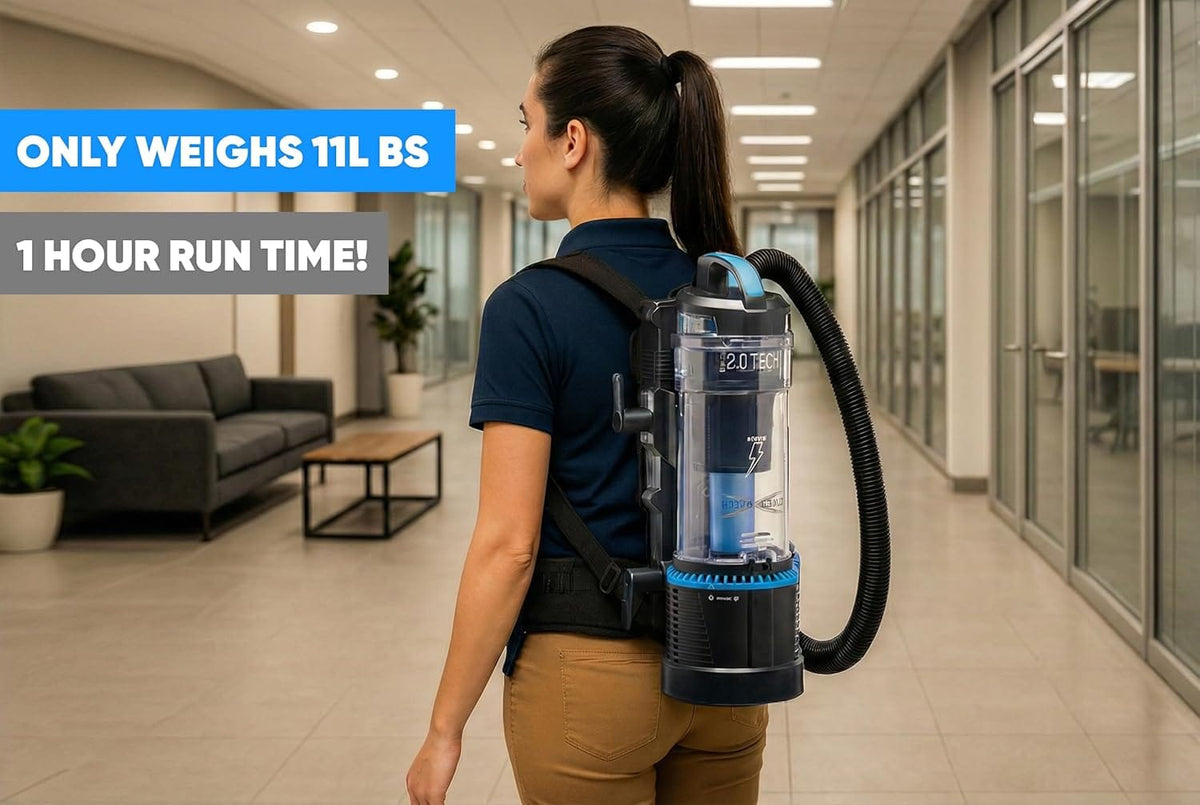
Body Comfort
A backpack vacuum transfers weight to your shoulders, hips, and back. Poor adjustment can cause pressure points or muscle fatigue.
Look for:
• Wide padded shoulder straps
• An adjustable waist belt
• A chest strap
• Breathable back padding
• Balanced weight distribution
• Easy-to-reach controls
The waist belt should carry much of the load. If all the weight rests on your shoulders, the machine may feel uncomfortable within minutes.
Noise
Commercial backpack vacuums can be louder than household stick vacuums. Noise may matter in offices, hotels, libraries, hospitals, and homes with sleeping children.
Check the manufacturer’s noise rating in decibels when available. Hearing protection may be sensible during long cleaning sessions, especially in loud environments.
Dust Capacity
Small bags or containers require frequent emptying. Large containers may add weight.
A sealed disposable bag is often cleaner and more convenient for fine dust. A reusable container can reduce waste but may release dust during emptying.
Upfront Cost
A professional cordless vacuum cleaner backpack usually costs more than a basic household vacuum. However, the price may make sense when it saves time, reduces cord hazards, and handles large cleaning areas.
Do not judge value by the purchase price alone. Include batteries, filters, bags, chargers, tools, repairs, and expected service life.

Cordless Backpack Vacuum Versus Other Vacuum Types
Choosing the right style depends on your space and cleaning habits.
Backpack Vacuum Versus Upright Vacuum
An upright vacuum is often better for deep carpet cleaning at home. It provides a familiar push-and-pull design and may include a powered brush roll.
A backpack vacuum is more mobile. It is usually better for stairs, offices, crowded rooms, and quick commercial cleaning routes.
Backpack Vacuum Versus Canister Vacuum
Canister vacuums often offer excellent control and strong suction. Their floor heads may be effective on both hard floors and carpets.
The downside is that you must pull the canister behind you. A backpack model is easier to move through busy spaces but may place more strain on your body.
Backpack Vacuum Versus Stick Vacuum
Stick vacuums are light and convenient for small homes. Many include a built-in floor head and wall mount.
A cordless vacuum cleaner backpack is generally more suitable for longer cleaning sessions and larger areas. It may offer greater capacity and stronger airflow, but it is usually heavier and more expensive.
Backpack Vacuum Versus Traditional Corded Backpack Vacuum
A corded backpack vacuum can run continuously as long as an outlet is nearby. It may be lighter because it does not carry a battery.
A cordless model offers greater freedom. The tradeoff is limited runtime and the need to manage charging.
Important Features to Compare
The best cordless vacuum cleaner backpack should match your cleaning route, surface type, and work schedule.
Battery System
Lithium-ion batteries are common because they provide steady power and can be recharged many times. A removable battery is useful because you can replace it without replacing the entire vacuum.
Check whether the battery has:
• A charge indicator
• Overheat protection
• Overload protection
• A practical replacement price
• A warranty
• Compatibility with other tools from the same brand
Avoid assuming that a larger voltage always means better cleaning. Motor design and airflow also affect results.
Filtration
Filtration matters if the vacuum will collect fine dust, pet hair, pollen, or debris from busy public spaces.
A HEPA filter can capture very small particles when the entire machine is properly sealed. However, the label alone does not guarantee that no dust escapes. Filter quality, seals, bag fit, and maintenance all matter.
Follow the care instructions. Washing a filter that is not designed to be washed can damage it and reduce performance.
Airflow and Suction
Suction helps lift debris. Airflow helps carry that debris through the hose and into the dust system.
Ask for tested airflow data when available. If a product only lists a vague power number, compare independent reviews and warranty terms rather than relying on marketing language.
Harness Design
The harness is one of the most important parts of a backpack vacuum. Try to adjust it while wearing work clothes.
A good harness should:
• Keep the vacuum stable
• Reduce movement while walking
• Spread weight across the hips
• Allow shoulder movement
• Avoid rubbing the neck
• Let you reach the controls easily
Cleaning Tools
A basic floor nozzle may be enough for smooth floors. Carpeted areas may need a brush tool or powered head.
Useful attachments include:
• Crevice tool
• Dusting brush
• Upholstery tool
• Hard-floor nozzle
• Carpet tool
• Extension wand
• Flexible hose
Choose tools based on the building. A hotel may need narrow tools for furniture gaps, while a warehouse may need a wide floor head.
How to Choose the Right Model
Use your cleaning environment as the starting point.
For Homes
A lightweight model with moderate runtime may be enough. Look for a comfortable harness, quiet operation, and tools for stairs, upholstery, and hard floors.
A backpack vacuum may be excessive for a small apartment. It becomes more useful in a large home, a multilevel house, or a home with many pets.
For Offices
Prioritize low noise, battery flexibility, and narrow tools. A compact machine can move between desks without disturbing workers.
A removable battery is helpful when cleaning occurs after business hours and several rooms must be completed in one session.
For Schools and Public Buildings
Choose durability, filtration, large capacity, and simple maintenance. Staff may need to use the equipment for several hours, so the harness must fit different body sizes.
A clear battery gauge can also prevent work interruptions.
For Hotels
Look for quiet operation, strong edge cleaning, and easy tool changes. Housekeeping teams often need to move quickly through rooms, hallways, and stairs.
A sealed dust system is useful because it helps reduce exposure when bags are changed.
For Commercial Cleaning Companies
Calculate total operating cost. A slightly more expensive cordless vacuum cleaner backpack may provide better value if it lasts longer, charges faster, or needs fewer replacement parts.
Ask the seller about service centers, battery availability, filter supply, and repair times.
My Practical Testing Lessons and Common Mistakes
When I assess backpack-style cleaning equipment, I focus first on the harness and workflow rather than the biggest motor number. A machine can clean well but still fail in practice if it causes shoulder pain or takes too long to empty.
One common mistake is wearing the unit too high. The waist belt should sit firmly around the hips, and the shoulder straps should stabilize the machine without carrying all the weight.
Another mistake is ignoring the floor tool. A powerful motor cannot make up for a poor nozzle that leaves debris behind. Test the machine on the actual surfaces you clean, including carpet edges, corners, tile, and low furniture.
I also recommend running a simple timed test:
- Charge the battery fully.
- Clean a known area at normal power.
- Record the time used and battery level.
- Repeat the test with the tool you plan to use most.
- Check how easy it is to empty and clean the filter.
This gives you a more honest view than the maximum runtime printed on the box.
I once saw a cleaning team choose a model with excellent suction but a weak waist belt. The vacuum performed well for short jobs, yet workers became tired during long routes. The lesson was clear: comfort is not a luxury. It directly affects speed, safety, and consistency.
Safe and Effective Use
A cordless vacuum cleaner backpack should be used with good body mechanics and regular maintenance.
Before starting, inspect the hose, battery, straps, filter, and floor tool. Do not use the machine if the battery is swollen, damaged, unusually hot, or leaking.
During cleaning:
• Keep your back upright
• Let your legs guide movement
• Avoid twisting while reaching
• Use the waist belt to support weight
• Take short breaks during long sessions
• Keep the hose away from hot surfaces
• Do not vacuum liquids unless the machine is designed for them
Never use a dry vacuum to collect water or wet material unless the manufacturer specifically approves it. Moisture can damage the motor and create an electrical hazard.
Charge the battery in a cool, dry place. Use the correct charger, and follow the product instructions for storage. Battery safety guidance consistently recommends removing damaged lithium-ion batteries from service rather than continuing to use them.
Maintenance Tips for Longer Life
Regular care keeps suction steady and helps protect the motor.
After Each Use
Empty the dust bag or container before it becomes packed. Check the hose for blockages and remove hair from the floor tool.
A full bag can restrict airflow. The motor may work harder, and battery runtime may fall.
Weekly
Inspect the filters and clean them according to the manual. Some filters can be tapped clean, while others can be washed and fully dried.
Never reinstall a damp filter. Moisture can damage the vacuum and encourage odor or mold growth.
Monthly
Check the harness, hose connections, battery contacts, wheels on the floor tool, and seals. Look for cracks or loose parts.
If suction drops suddenly, inspect the hose and filter before assuming the motor has failed.
Battery Care
Store the battery away from extreme heat and cold. Avoid leaving it fully discharged for long periods if the manufacturer advises otherwise.
Keep a spare battery labeled and charged if your work depends on continuous cleaning. Replace batteries when runtime drops sharply or the pack shows damage.
Cost and Value Considerations
The purchase price is only one part of the cost of a cordless vacuum cleaner backpack.
Consider:
• Battery replacements
• Disposable bags
• Filters
• Cleaning attachments
• Charger replacement
• Warranty coverage
• Repair service
• Worker comfort
• Time saved per cleaning route
For a business, time savings can quickly become valuable. If a vacuum reduces cleaning time by several minutes per room across dozens of rooms, the productivity benefit may outweigh the higher initial price.
For home users, the value depends on frequency. If you clean a small space once a week, a basic stick vacuum may be more sensible. If you clean stairs, several floors, or a large pet-friendly home, a backpack design may justify its cost.
Who Should Buy One?
A cordless vacuum cleaner backpack is a strong choice for people who need mobility and extended cleaning power.
It may suit you if:
• You clean many stairs
• You work in large buildings
• You need to move around furniture
• You dislike managing power cords
• You clean several rooms in one session
• You need a commercial-grade machine
• You want both hands free while cleaning
It may not suit you if:
• You need a very quiet vacuum
• You have back or shoulder problems
• You clean only a small apartment
• You mainly need deep carpet agitation
• You do not want to manage batteries
• You prefer a lightweight household machine
If possible, test the harness before buying. Ten minutes of wearing a vacuum can reveal comfort problems that product photos will never show.
Frequently Asked Questions About Cordless Vacuum Cleaner Backpack
Is a cordless vacuum cleaner backpack good for home use?
Yes, it can work well in large homes, multilevel houses, and homes with many stairs or pets. For a small apartment, a lightweight stick vacuum may be easier and more affordable.
How long does the battery last?
Runtime varies by model, power setting, battery size, filter condition, and cleaning tool. Many products provide different runtime figures for low and high power, so compare real-use ratings rather than one maximum number.
Are backpack vacuums comfortable?
They can be comfortable when the harness fits correctly and the waist belt carries much of the weight. Poor adjustment, excessive weight, or long use without breaks can cause shoulder, neck, or back fatigue.
Can a backpack vacuum clean carpets?
Yes, many models can clean carpets with the correct floor tool. However, some are designed mainly for surface debris, so check whether the model has an effective brush roll or carpet nozzle for your carpet type.
Are cordless backpack vacuums safe?
They are generally safe when used according to the manual and charged with the correct equipment. Do not vacuum liquids with a dry vacuum, and stop using any battery that is swollen, cracked, leaking, or unusually hot.
Does a HEPA filter make a backpack vacuum allergy-friendly?
A properly sealed vacuum with a genuine HEPA filter can reduce the release of fine particles. Still, filter condition, bag seals, and correct maintenance are important, so no vacuum should be treated as a complete allergy solution.
How often should I clean the filter?
Follow the manufacturer’s schedule because filter materials differ. In general, inspect the filter often and clean it sooner when suction drops, the machine sounds strained, or the vacuum is used in dusty areas.
Conclusion
A cordless vacuum cleaner backpack offers a practical blend of freedom, mobility, and commercial cleaning power. Its biggest strengths are hands-free operation, easy stair cleaning, fewer cord hazards, and efficient movement through large spaces.
The best model is not always the one with the highest suction number. Focus on battery runtime, harness comfort, filtration, tool quality, noise, maintenance, and replacement costs. Test the equipment on your real floors whenever possible, then choose the model that feels like a helpful work partner rather than a heavy load.
Use these tips to compare your options with confidence, and explore related cleaning guides before making your purchase.

3 Comments