A cordless wet dry vacuum cleaner picks up dust, spills, and messes without a power cord.
A cordless wet dry vacuum cleaner can make daily cleaning faster, especially in homes with pets, children, hard floors, cars, or small spills. Unlike a standard vacuum, it can handle both dry debris and liquid messes, but each model has limits. This guide explains how these machines work, what features matter, where they perform best, and how to choose one with confidence.

What Is a Cordless Wet Dry Vacuum Cleaner?
A cordless wet dry vacuum cleaner is a battery-powered cleaning tool made to collect dry dirt and, in many cases, liquid spills. It uses a rechargeable battery instead of a wall outlet, so you can move from room to room without dragging a cord.
These vacuums come in several designs. Some look like small shop vacuums with a hose and tank. Others look like upright floor cleaners that wash and vacuum hard floors at the same time. A few handheld models are built for cars, stairs, and quick spills.
The term “wet dry” does not always mean the machine can clean every type of liquid. Many models are designed for water and small household spills. They may not be safe for flammable liquids, harsh chemicals, sewage, or large amounts of standing water.
Always read the manual before using a cordless wet dry vacuum cleaner on an unusual mess. The manual will explain which liquids are safe and whether the machine has separate wet and dry modes.

How a Cordless Wet Dry Vacuum Cleaner Works
A cordless wet dry vacuum cleaner uses a motor to create suction. Air moves through an intake path and carries dirt, dust, hair, or liquid into a collection tank or bag. Filters help stop fine particles from reaching the motor and returning to the room.
When collecting dry debris, the machine works much like a regular vacuum. It pulls crumbs, sand, pet hair, and dust into the dust container. Some models use a brush roll to loosen dirt from floors and carpets.
For wet cleaning, the liquid usually travels into a separate tank. Many floor washer models spray clean water onto the floor, scrub it with a roller, and pull the dirty water back into another tank.
Key parts often include:
• Rechargeable battery: Powers the motor, brush roll, pump, and controls.
• Suction motor: Creates the airflow needed to lift dirt and liquid.
• Collection tank: Holds dry debris, dirty water, or both.
• Filter system: Captures dust and protects the motor.
• Brush roll or floor head: Agitates dirt and spreads cleaning solution.
• Charging base: Stores and recharges the machine between uses.
A major difference exists between a wet dry floor washer and a cordless wet dry shop vacuum. A floor washer is best for routine hard-floor cleaning. A shop-style vacuum is better for garages, workshops, cars, and larger spills.

Main Benefits of a Cordless Wet Dry Vacuum Cleaner
Cord-free movement
The biggest benefit is simple: there is no power cord to manage. You can clean a kitchen, hallway, vehicle, basement, or patio without searching for an outlet.
This freedom is useful in homes with open layouts. It also helps when cleaning stairs, where a cord can become a tripping risk.
Dry and wet cleaning in one tool
A cordless wet dry vacuum cleaner can reduce the need for separate tools. You may use it to pick up cereal in the morning and clean a small juice spill later.
Some models can also remove muddy paw prints and damp dirt from entryways. Still, you should confirm that the model supports both tasks. A “wet cleaning” label may refer only to mopping, not full liquid pickup.
Faster everyday cleaning
Many cordless wet dry vacuums are designed for quick messes. They are easy to grab, use, and return to a charging dock. This can encourage more frequent cleaning because the machine is ready when you need it.
In my experience comparing cleaning routines, convenience often matters more than maximum suction. A powerful vacuum that stays in a closet is less useful than a lighter model that people actually use each day.
Better control around furniture
Without a cord, the cleaner can move around table legs, kitchen islands, and sofas with less effort. Some upright models also have swivel heads that turn smoothly in tight areas.
Useful for homes with pets
A cordless wet dry vacuum cleaner can collect pet hair, kibble, tracked-in water, and small accidents. Models with tangle-resistant brush rolls are especially helpful for homes with long-haired dogs or cats.
However, pet owners should clean the brush roll often. Hair can wrap around the roller and reduce cleaning performance.

Limitations to Consider Before Buying
A cordless wet dry vacuum cleaner is convenient, but it is not a perfect replacement for every vacuum or mop.
Limited battery life
Battery runtime may range from about 15 minutes to more than 40 minutes, depending on the model and power setting. Turbo mode, thick carpets, heavy dirt, and powered brush rolls use more energy.
Manufacturers often list maximum runtime in ideal conditions. Real-world use may be shorter. If you have a large home, look for removable batteries or a model with a spare battery option.
Longer charging times
Some batteries take several hours to recharge. This can be frustrating if you expect to clean several rooms back to back.
A charging dock helps keep the machine ready. It is also wise to charge the vacuum after each use instead of waiting until the battery is fully empty.
Smaller tanks
Cordless models usually have smaller dust and water tanks than full-size corded machines. You may need to empty or refill them during a larger cleaning job.
Small tanks are not always a flaw. They help reduce weight and improve handling. The right size depends on your home and cleaning habits.
Higher price per unit
Battery systems, sensors, brush motors, and charging docks can increase the price. Replacement batteries and specialized filters may also add long-term costs.
Before buying, check the price and availability of replacement parts. A low initial price may not be a good value if filters, rollers, or batteries are hard to find.
Not ideal for every liquid
Never assume that a cordless wet dry vacuum cleaner can collect every liquid. Avoid gasoline, solvents, bleach mixtures, strong chemicals, hot liquids, and flammable fluids unless the manufacturer specifically approves them.
For unknown spills, use gloves, ventilation, and a manual cleanup method. Safety is more important than convenience.
Cordless Wet Dry Vacuum Cleaner Types
Cordless wet dry floor washer
This model sprays water or cleaning solution, scrubs the floor, and collects dirty water. It is made mainly for sealed hard floors such as tile, vinyl, laminate approved by the manufacturer, and sealed wood.
It is not usually designed for thick carpet or dry workshop debris. Think of it as a powered mop with suction.
Cordless wet dry shop vacuum
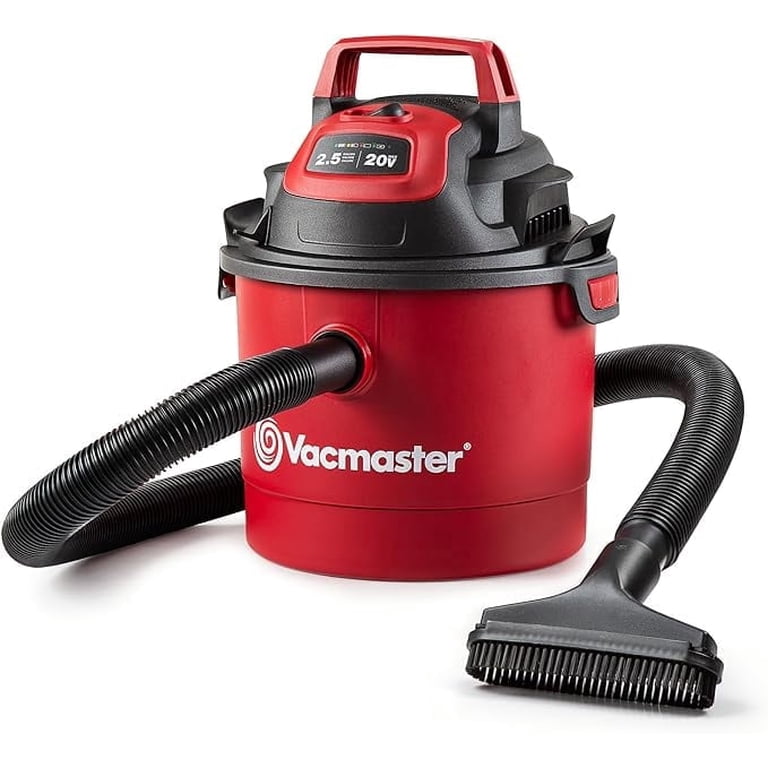
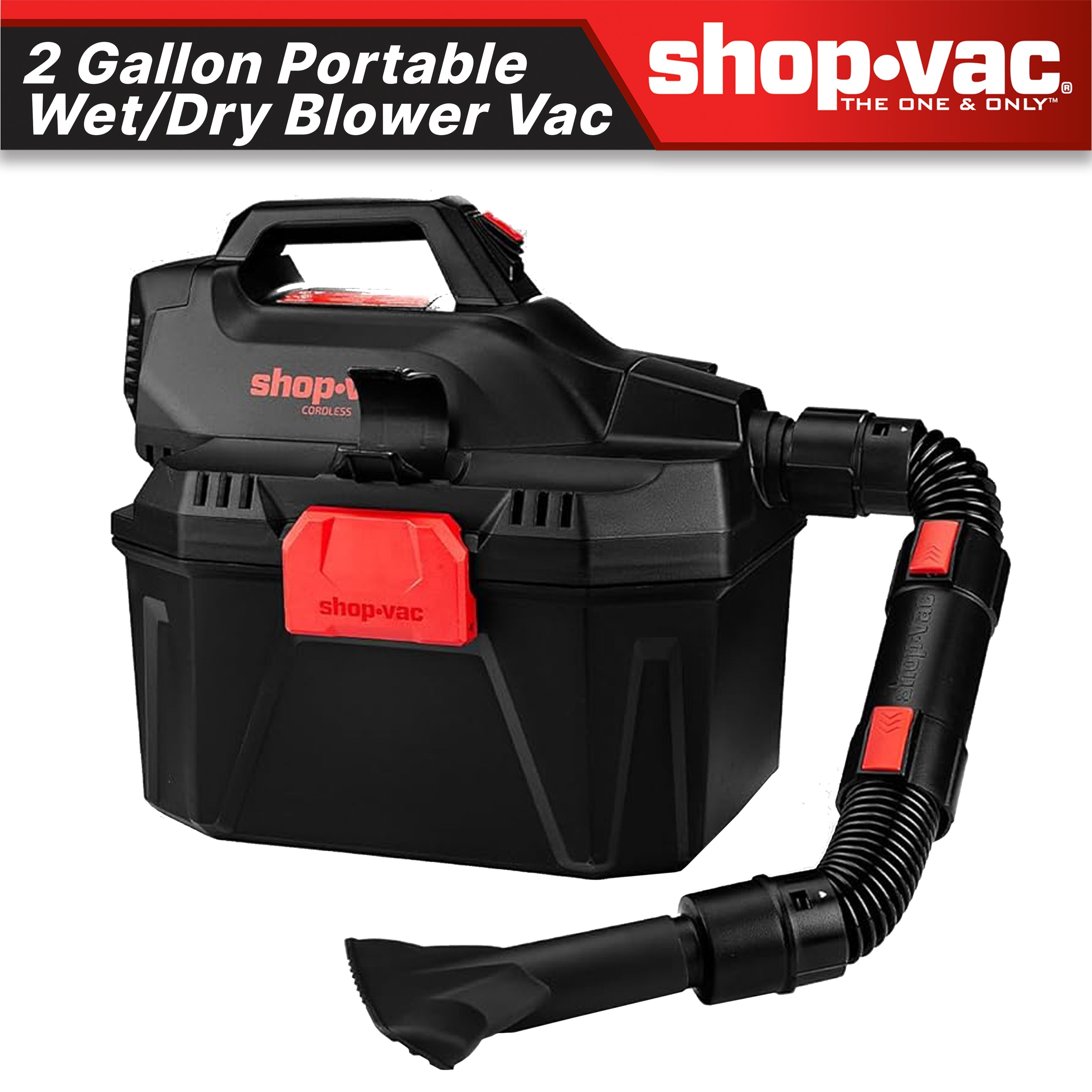
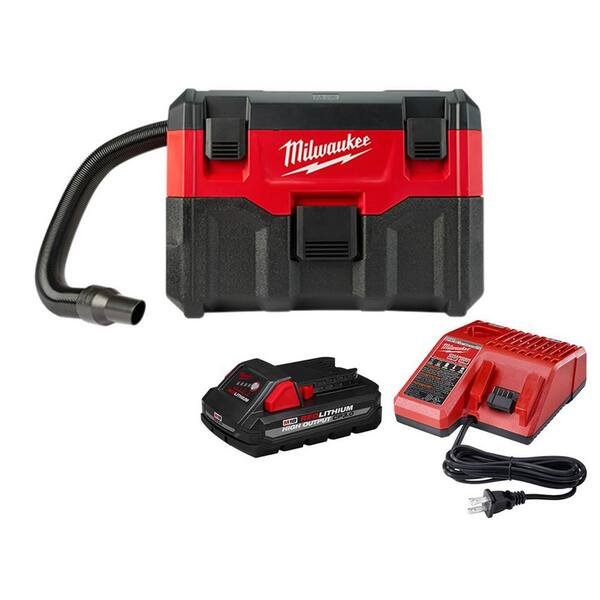
A cordless shop vacuum has a hose, tank, and utility attachments. It works well in garages, vehicles, workshops, basements, and construction areas.
These models may handle larger debris than floor washers. They can be noisy and less comfortable for whole-home cleaning, but they offer strong utility.
Handheld wet dry vacuum
A handheld model is compact and easy to use for small spills, car interiors, counters, and stairs. Its battery and tank are often small, so it is best for quick jobs.
Convertible stick vacuum
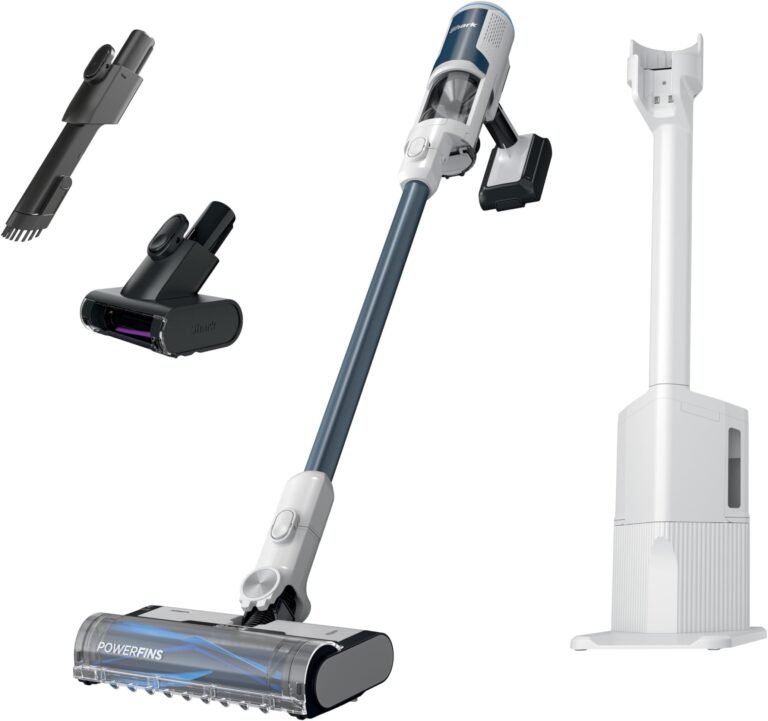
Some cordless vacuums convert from an upright stick into a handheld unit. They may clean dry debris well and handle limited wet pickup through a special attachment.
Check the product design carefully. A dry stick vacuum with a damp-cleaning accessory is not the same as a true wet dry vacuum.

Important Features to Compare
Choosing the right cordless wet dry vacuum cleaner is easier when you compare useful features instead of focusing only on advertised suction.
Battery system
Look for:
• Runtime in standard and high-power modes
• Removable battery design
• Battery replacement cost
• Charge time
• Battery warranty
Lithium-ion batteries are common because they offer good energy storage and steady power. Store the battery as directed, and avoid extreme heat or cold.
Tank design
Separate clean-water and dirty-water tanks are helpful in floor washers. They prevent you from spreading used water back onto the floor.
A wide opening makes the tank easier to rinse. Clear plastic also helps you see when the tank needs emptying.
Filter quality
A washable filter can reduce ongoing costs. Some models also include fine-particle filters that help capture dust.
Do not run a wet dry vacuum with a wet filter unless the manual says it is safe. A damp filter can restrict airflow and may cause odor or motor problems.
Brush roll
A soft roller may suit sealed hard floors. A mixed-bristle brush may work better on dry debris and low-pile carpet.
Look for an easy-release brush roll. If removing the roller requires tools, routine maintenance may become a chore.
Self-cleaning cycle
Many floor washers offer an automatic brush and tube cleaning cycle. This feature can remove some residue after use.
It does not eliminate maintenance. You still need to empty the dirty-water tank, rinse parts, and allow them to dry.
Weight and maneuverability
A machine that feels light in a store may feel heavier after several minutes of use. Check the handle angle, steering, tank placement, and balance.
If possible, test how easily the vacuum turns and reaches under furniture. Comfort is a practical feature, not a luxury.
Noise level
Cordless does not mean silent. Strong motors and pumps can produce noticeable noise. If you clean early in the morning or live in an apartment, look for a model with a published noise rating.

Best Uses Around the Home
A cordless wet dry vacuum cleaner is useful for many everyday tasks.
• Kitchen floors: Pick up crumbs, dried food, and small drink spills.
• Entryways: Clean rainwater, mud, and outdoor grit.
• Dining areas: Remove food particles after meals.
• Bathrooms: Collect small puddles near sinks or tubs, if approved by the manual.
• Pet areas: Pick up hair, water splashes, and tracked-in dirt.
• Cars: Clean floor mats, seats, and small liquid spills with a suitable attachment.
• Garages: Remove sawdust, leaves, and light debris with a shop-style model.
• Stairs: Move easily without pulling a cord from one step to the next.
These machines work best when used for fresh or manageable messes. Dried sticky food may need softening first. Large spills may require towels or a pump before vacuuming.
How to Use a Cordless Wet Dry Vacuum Cleaner Safely
Follow these steps for safer and better results:
-
Read the user manual before the first use. Confirm which surfaces and liquids are allowed.
-
Charge the battery fully. Low power can reduce suction and stop the brush roll.
-
Choose the correct mode. Use dry mode for dust and wet mode for liquid when the machine provides separate settings.
-
Remove large sharp objects by hand. Glass, nails, and screws can damage the hose, brush, or tank.
-
Move slowly over wet areas. A slow pass gives the machine more time to collect liquid.
-
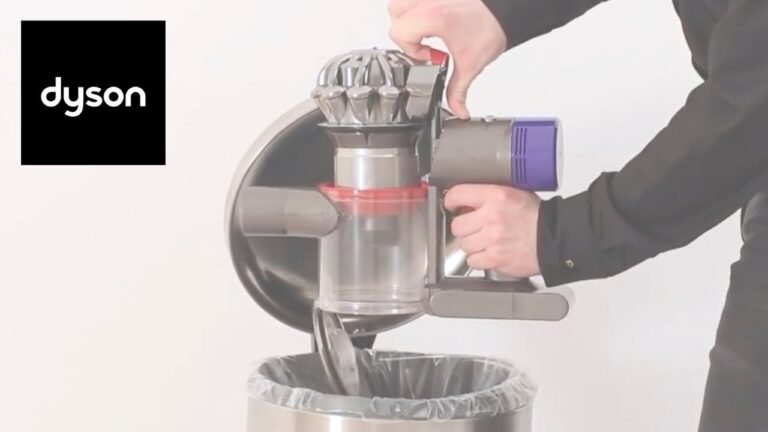
Empty the tank promptly. Dirty water left inside can create odors and bacterial growth.
-
Rinse washable parts. Follow the manual for filters, rollers, tanks, and hoses.
-
Let parts dry fully. Store wet components in an open, ventilated place when possible.
-
Inspect the battery and charger. Stop using damaged cables, swollen batteries, or cracked housings.
Avoid vacuuming hot ash, burning material, flammable liquids, or unknown chemicals. Do not place your hands near a moving brush roll, even when the machine looks switched off.

Maintenance Tips That Extend Performance
Regular care can make a major difference. A cordless wet dry vacuum cleaner often loses performance because of blocked filters, tangled hair, or a full tank rather than a weak motor.
After each wet-cleaning session:
• Empty the dirty-water tank.
• Rinse the tank with clean water.
• Remove hair and fibers from the brush roll.
• Wipe the floor head.
• Clean the filter as directed.
• Leave removable parts open to dry.
Once a week, inspect the intake path and wheels. Hair and thread can collect around axles and reduce movement. If the vacuum has a hose, check it for clogs.
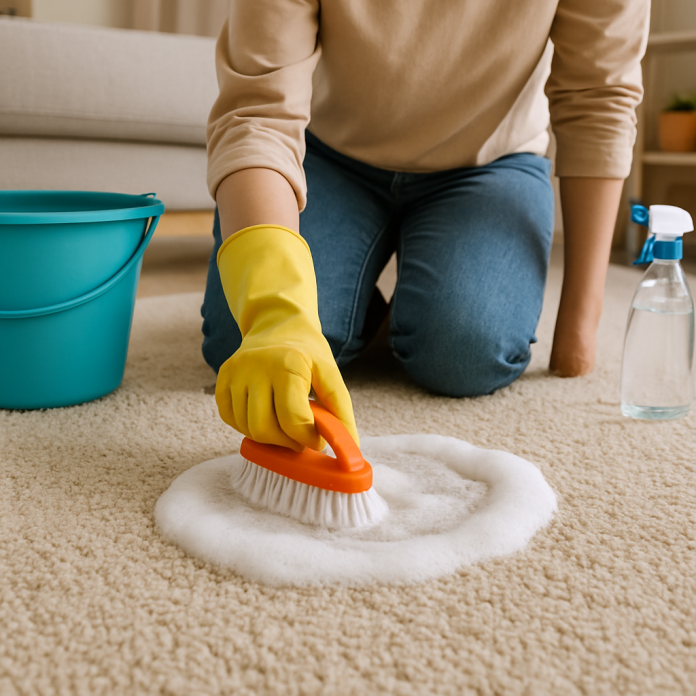
Do not use household soap unless the manufacturer permits it. Too much foam can damage pumps or create overflow. Use only the recommended cleaning solution and correct dilution.
One mistake I often see is storing a wet floor washer on its dock with a dirty tank still attached. This traps odor inside the machine. A quick rinse and air-dry routine takes a few minutes and can prevent a much larger cleaning problem.
Cordless Wet Dry Vacuum Cleaner vs. Traditional Options
A corded vacuum usually provides longer continuous operation. It may also offer stronger sustained suction for large carpets and deep cleaning. Its main drawback is reduced mobility.
A traditional mop can be cheaper and simpler for hard floors. It does not collect dry debris as efficiently, and dirty water may remain on the floor during cleaning.
A cordless wet dry vacuum cleaner combines several tasks in one device. It offers speed and convenience, but it may have a smaller tank, shorter runtime, and higher maintenance needs.
For many homes, the best setup is not one tool for everything. A cordless wet dry vacuum cleaner can handle daily messes, while a full-size vacuum can manage deep carpet cleaning and a mop can serve as a backup.
How to Choose the Right Model
Start with your main cleaning problem. Do not buy a large shop vacuum if you only need to clean kitchen floors. Do not buy a small floor washer if you need to remove workshop debris.
Use this checklist:
• Choose a floor washer for sealed hard floors and daily spills.
• Choose a shop-style model for garages, cars, basements, and larger debris.
• Choose a handheld model for stairs, vehicles, and quick spot cleaning.
• Select removable batteries for larger homes.
• Choose separate water tanks for cleaner wet-floor results.
• Look for easy brush-roll removal if you have pets.
• Check replacement battery, filter, and roller prices.
• Confirm the warranty and repair options.
• Read real owner feedback about leaks, battery life, odor, and clogging.
Pay special attention to floor compatibility. Natural stone, unsealed wood, delicate laminate, and some painted surfaces may require special care. When uncertain, test the machine on a hidden area first.
Frequently Asked Questions About Cordless Wet Dry Vacuum Cleaner
Can a cordless wet dry vacuum cleaner pick up large spills?
Some models can collect small or moderate spills, while others are intended only for damp floor washing. Check the tank capacity and manual before attempting to remove a large amount of standing water.
Can I use a cordless wet dry vacuum cleaner on carpet?
It depends on the design. Cordless shop vacuums may collect liquid from suitable carpet areas, but many wet floor washers are made only for sealed hard floors.
How long does the battery last?
Runtime commonly depends on the power mode, brush roll, floor type, and battery size. A model rated for 30 minutes may run for less time on high power or during heavy wet cleaning.
Do wet dry vacuums need filters?
Most models use filters to protect the motor and control fine particles. Follow the manual because some filters must stay dry, while others are washable and need complete air-drying.
Can I use regular floor cleaner in the machine?
Only use a cleaning solution approved by the manufacturer. Regular household cleaners may create too much foam, leave residue, or damage internal pumps and seals.
Is a cordless wet dry vacuum cleaner safe for hardwood floors?
It may be safe for sealed hardwood if the manufacturer approves that surface and you use the correct water setting. Avoid excess moisture and dry the floor promptly if water remains behind.
How often should I clean the vacuum?
Empty the dirty tank and rinse wet parts after every wet-cleaning session. Inspect the filter, brush roll, hose, and intake path at least weekly when the machine is used often.
Conclusion
A cordless wet dry vacuum cleaner offers a practical way to manage dust, crumbs, pet hair, muddy footprints, and small liquid spills without a power cord. The best choice depends on your floor type, home size, cleaning habits, battery needs, and tolerance for maintenance.
Look beyond suction claims. Compare battery runtime, tank design, floor compatibility, replacement parts, brush care, and warranty support. With the right model and a simple rinse-and-dry routine, you can make daily cleaning quicker and less stressful.
Review your most common messes, choose the vacuum type that matches them, and check the manufacturer’s safety instructions before use. If this guide helped, explore related cleaning resources or share your own cordless vacuum experience in the comments.
One Comment