The best way to dispose of a vacuum cleaner in the U.S. is to repair or donate it if it still works. If it is broken, check your local waste agency for electronics recycling, bulky-item pickup, or household hazardous waste instructions. Do not assume that a vacuum belongs in your curbside recycling cart.
The correct method depends on the vacuum type, its battery, and your city or county rules. A corded vacuum may be accepted as electronic waste or bulky trash. A cordless model may contain a lithium-ion battery that requires separate handling.

Quick Answer: What Should You Do With an Old Vacuum?
Use this order:
- Repair it if the problem is minor.
- Donate or sell it if it still works safely.
- Ask the manufacturer about take-back options.
- Check your local recycling or solid waste program.
- Use a bulky-item pickup if your area offers one.
- Separate and recycle the battery from a cordless vacuum when the instructions allow it.
- Use the trash only when your local authority says it is allowed.
Do not place a loose lithium-ion battery in the trash or curbside recycling bin. Batteries can start fires in collection trucks and recycling facilities.
Local rules differ across the United States. Search your city, county, or state waste agency website for terms such as:
vacuum cleaner recycling near meelectronics recycling [your city]bulky item pickup [your county]household battery disposal [your state]

First, Identify Your Vacuum Cleaner Type
The vacuum type affects the safest disposal route. Look at the label, power source, and design before you choose a method.
| Vacuum type | Main disposal concern | Common next step |
|---|---|---|
| Corded upright or canister | Electrical parts and mixed materials | Electronics recycling, bulky waste, repair, or donation |
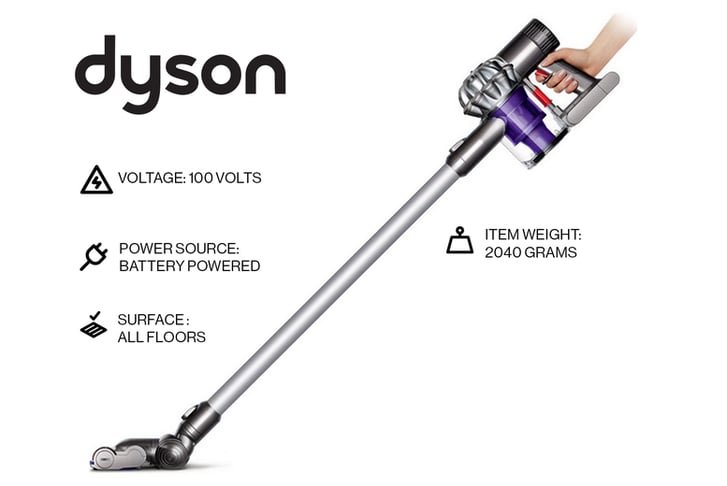
| Cordless stick vacuum | Rechargeable battery, often lithium-ion | Battery recycling plus local vacuum disposal |
| Robot vacuum | Battery, charging base, circuit boards | Electronics recycling or manufacturer take-back |
| Handheld vacuum | Battery and small electronic parts | Battery recycling and e-waste collection |
| Wet/dry shop vacuum | Motor, plastic tank, possible residue | Empty and clean it; check local rules |
| Central vacuum motor | Large motor and wiring | Repair, scrap-metal facility, or bulky waste |
| Commercial vacuum | Larger size and possible business-waste rules | Commercial recycler or equipment dealer |
A vacuum cleaner is usually a mixed-material electrical appliance. It may contain plastic, copper wire, steel, circuit boards, rubber parts, filters, and a motor. Because these parts are joined together, placing the whole machine in a recycling cart can cause problems.
Check for a Battery
Cordless vacuums often use removable or built-in rechargeable batteries. Look for:
- A battery door
- A removable battery pack
- A label that says lithium-ion, Li-ion, Ni-MH, or Ni-Cd
- A charging dock or wall charger
- A model manual that lists battery replacement instructions
If the battery is swollen, cracked, leaking, hot, or damaged, stop using the vacuum. Do not charge it or place it in a regular battery collection box. Contact your local household hazardous waste program for instructions.

Option 1: Repair the Vacuum cleaner
repairing the vacuum is often the least wasteful choice when the machine has a simple fault. Common repairable problems include a clogged hose, a worn belt, a full bag, a blocked brush roll, or a dirty filter.
Before discarding the vacuum:
- Unplug it or remove the battery.
- Check the bag or dirt cup.
- Clear the hose and floor head.
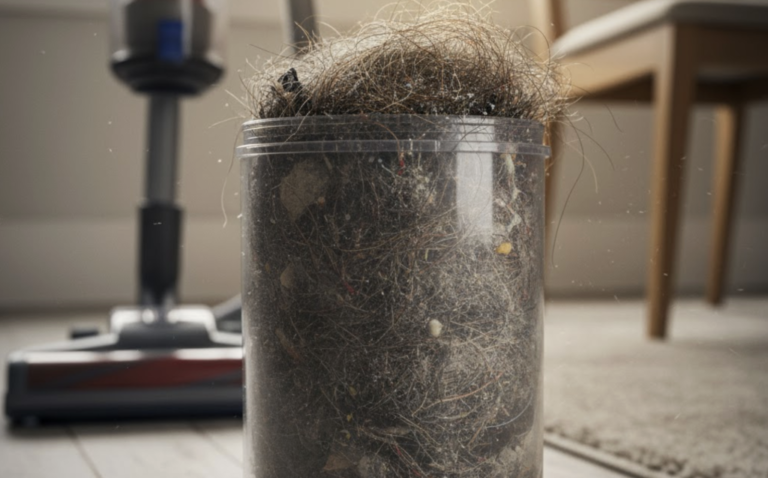
- Remove hair and thread from the brush roll.
- Clean or replace the filter if the manual permits it.
- Check the belt for cracks or slack.
- Inspect the power cord for cuts or exposed wires.
- Look up the model manual for approved parts.
Do not use a vacuum with a damaged cord, burning smell, sparking motor, cracked plug, or signs of overheating. A qualified repair shop should inspect those problems.
Repair may make sense when the vacuum is otherwise in good condition and replacement parts are available. It may not make financial sense when the motor, battery, and control board all need replacement.

Option 2: Donate or Sell a Working Vacuum
A working vacuum can often help another household, nonprofit, reuse center, or community group. Donation is suitable only when the machine is safe and clean.
Before giving it away:
- Empty the dirt cup or replace the bag.
- Remove hair and debris from the brush roll.
- Wipe the body and attachments.
- Wash reusable parts according to the manual.
- Include the charger, hose, tools, and owner's manual.
- State any known defect clearly.
- Do not donate a machine with a damaged cord or unsafe battery.
You can try a local thrift store, reuse center, mutual-aid group, community giveaway site, or appliance repair program. Call first. Some organizations do not accept used vacuums because of storage, sanitation, or electrical safety concerns.
For a sale listing, describe the brand, model, age, battery condition, included tools, and known faults. Honest details reduce returns and keep unsafe equipment out of use.

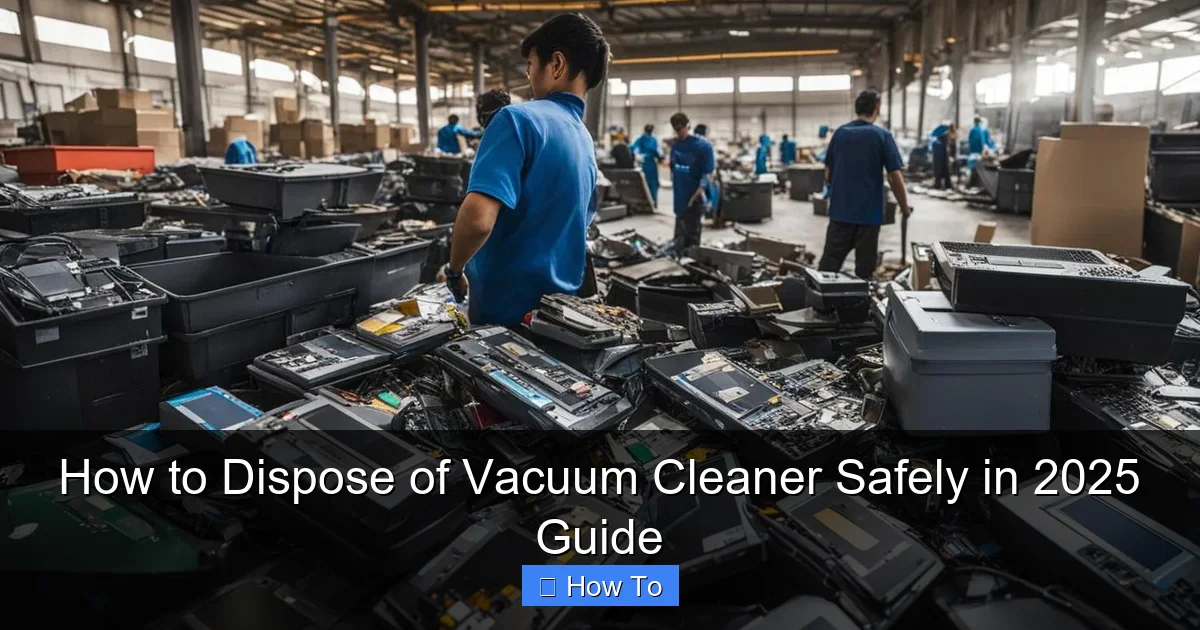
Option 3: Recycle the Vacuum as Electronic Waste
Electronics recycling is usually the preferred disposal route for a broken vacuum when a local program accepts small appliances. A certified or established recycler may recover metal, plastic, wiring, and electronic components.
Start with these sources:
- Your city or county recycling department
- Your state environmental agency
- A manufacturer take-back program
- A retailer that accepts small electronics
- A local household hazardous waste facility
- A community e-waste collection event
- The U.S. Environmental Protection Agency’s electronics recycling information
Call before you travel. Ask these specific questions:
- Do you accept vacuum cleaners?
- Is the service free?
- Do you accept cordless models?
- Must I remove the battery?
- Do you accept built-in batteries?
- Do you accept commercial or industrial vacuums?
- Are there size, weight, or brand limits?
- Do you require an appointment?
Do not assume that a site listed as “electronics recycling” accepts every electrical appliance. Some programs take computers and phones but reject vacuums, fans, or appliances with motors.
Option 4: Use a Bulky-Item or Appliance Pickup
Some U.S. cities and counties collect large household items through scheduled bulky-waste pickup. A full-size upright vacuum may qualify, but acceptance rules vary.
Check the pickup instructions before placing the vacuum outside. The program may require you to:
- Schedule a collection date
- Remove the battery
- Put the item at the curb only during a set time
- Limit the number of items
- Keep the machine dry
- Place it away from cars, trees, and utility lines
- Pay a fee for certain appliances
A vacuum cleaner is not normally treated like a refrigerator or air conditioner because it does not contain a refrigerant. Still, local waste agencies may classify it as an electrical appliance rather than ordinary trash.
If the vacuum is small and your local trash service permits it, the agency may allow it in the garbage. That decision belongs to the local program. Never rely only on a general rule from another city or state.

How to Dispose of a Cordless Vacuum Battery
Battery disposal needs extra care because rechargeable batteries can cause fires when crushed or shorted.
Removable Battery
If the manufacturer says the battery is removable:
- Turn off the vacuum.
- Remove the battery.
- Cover exposed battery contacts with nonconductive tape, such as electrical tape.
- Keep the battery away from metal objects.
- Take it to a battery recycling location that accepts its chemistry.
- Recycle or dispose of the vacuum body through the approved local route.
Call2Recycle provides a battery recycling location finder. Confirm that the location accepts your battery type before you go.
Do not place batteries in a plastic bag with keys, coins, tools, or other batteries. Do not puncture, crush, open, burn, or dismantle a battery pack.
Built-In Battery
Do not pry open a sealed vacuum unless the manufacturer’s instructions clearly allow it and you have the correct tools and safety knowledge. Instead:
- Ask the manufacturer for a take-back or replacement process.
- Contact your local household hazardous waste program.
- Ask an e-waste recycler whether it accepts the complete unit.
- Tell the facility that the vacuum contains a built-in rechargeable battery.
For a swollen, leaking, smoking, or hot battery, move away from the device and contact local emergency or hazardous-waste services. Do not place it in water or a regular recycling bin.

What to Do With the Bag, Dirt, and Filters
Empty the vacuum before recycling, donating, or storing it. Handle the contents carefully if they may contain allergens, pet waste, mold, broken glass, needles, or other hazardous material.
For ordinary household dust:
- Wear gloves if the dust is heavy or irritating.
- Empty the bag or dirt cup into a sealed trash bag.
- Wash reusable parts only when the manual allows it.
- Let wet parts dry fully before reassembly.
- Place disposable filters and used vacuum bags in the trash unless your local program gives different instructions.
Do not vacuum or shake out material that may contain asbestos, lead dust, animal waste, unknown chemicals, or medical waste. Stop and contact the proper local service for guidance.
A vacuum bag that handled mold does not belong in a donation stream unless it has been safely cleaned and the organization agrees to accept it. When in doubt, seal the material and ask your local waste agency how to manage it.

Can You Take a Vacuum Cleaner to a Scrap-Metal Yard?
Sometimes, but call first. Scrap yards may accept the motor and metal parts, yet many do not accept complete household appliances or machines that contain plastic, electronics, or batteries.
Ask whether the yard accepts:
- Complete vacuum cleaners
- Motors and copper wire
- Plastic housings
- Cordless vacuums
- Lithium-ion batteries
- Appliances with mixed materials
Do not dismantle a vacuum only to recover a small amount of metal unless you know how to do so safely. Unplug the machine, remove the battery if the design permits it, and avoid cutting wires or opening sealed battery packs.
A scrap yard is not automatically an electronics recycler. It may not manage circuit boards, rechargeable batteries, or contaminated filters.
What Not to Do With an Old Vacuum
Avoid these common disposal mistakes:
- Do not put a cordless vacuum with its battery in the trash unless your local authority specifically gives that instruction.
- Do not place a whole vacuum in curbside recycling without checking the program.
- Do not leave it beside a donation bin if the organization does not accept appliances.
- Do not donate a vacuum with exposed wires, a damaged plug, or a failing battery.
- Do not burn, crush, or dismantle a battery.
- Do not wash electrical parts or pour dust into a drain.
- Do not hide a battery inside a box or bag of ordinary recyclables.
- Do not assume a retailer accepts every brand or appliance type.
These steps protect workers, reduce fires, and help keep nonrecyclable items out of material recovery facilities.

Choosing the Right Disposal Method
Use this decision guide:
| Condition | Recommended action |
|---|---|
| Works and is safe | Donate, sell, or give it away |
| Minor clog, belt, or filter problem | Repair it |
| Corded and broken | Ask about e-waste, bulky waste, or appliance disposal |
| Cordless with removable battery | Recycle the battery separately, then follow local vacuum rules |
| Cordless with built-in battery | Contact the maker, e-waste recycler, or hazardous-waste program |
| Swollen, leaking, or hot battery | Stop using it and contact hazardous-waste or emergency services |
| Large shop or commercial vacuum | Check commercial recycler and local appliance rules |
| Contaminated with hazardous material | Do not donate; ask the relevant waste agency first |
The safest choice is the one that matches both the vacuum’s condition and your local program. A disposal method that is legal in one state may not be available in another.
Frequently Asked Questions
Can I put a vacuum cleaner in the regular trash?
Sometimes. Some local programs allow small corded vacuums in household garbage, while others require electronics recycling or bulky-item collection. Check your city or county waste rules before placing it at the curb.
Can I put a vacuum cleaner in the recycling bin?
Usually not. Curbside recycling systems are designed for approved containers, paper, cardboard, and similar materials. A vacuum may damage sorting equipment or be rejected because it contains mixed materials and electrical parts.
Where can I recycle a cordless vacuum?
Try a local e-waste facility, manufacturer take-back program, household hazardous waste site, or battery recycling location. Ask whether the facility accepts the complete vacuum or requires the battery to be removed first.
Should I remove the battery before recycling the vacuum?
Remove a battery only when the manufacturer’s instructions allow it and the battery is not damaged. If the battery is built in, do not force it out. Tell the recycler that the unit contains a rechargeable battery.
Can I donate a vacuum that still works but has a weak battery?
Tell the recipient exactly how long the battery lasts and whether a replacement is available. If the battery is swollen, hot, leaking, or damaged, do not donate the vacuum. Use a qualified battery or hazardous-waste disposal route instead.
Are vacuum bags and filters recyclable?
Most used vacuum bags and disposable filters go in the trash unless the manufacturer or local program says otherwise. Empty ordinary dust into a sealed bag. Use extra care with material that may contain mold, chemicals, sharp objects, or animal waste.
Final Recommendation
For most U.S. households, the best path is simple: repair or donate a safe working vacuum; recycle a broken vacuum through a local electronics or appliance program; and handle any rechargeable battery separately.
Before disposal, empty the machine, check for a battery, and verify the rules with your city, county, waste hauler, or state environmental agency. That short check can prevent a rejected load, a recycling-bin fire, or an unsafe donation.

One Comment