The BISSELL CleanView Upright Bagless Vacuum Cleaner 3536 is an older upright vacuum made for homes in the United States. It uses a cord, a dust bin, and washable or replaceable filters rather than vacuum bags. This guide explains how to identify the model, use it well, maintain it, fix common problems, and decide if a used BISSELL 3536 is worth buying.
The model is best suited to routine dry-floor cleaning. It can be useful on carpet, rugs, and hard floors when the brush setting and height are set correctly. Because production details and included tools may vary by sales package, check the rating label and owner’s guide for your specific machine before ordering parts or filters.

What Is the BISSELL CleanView 3536?
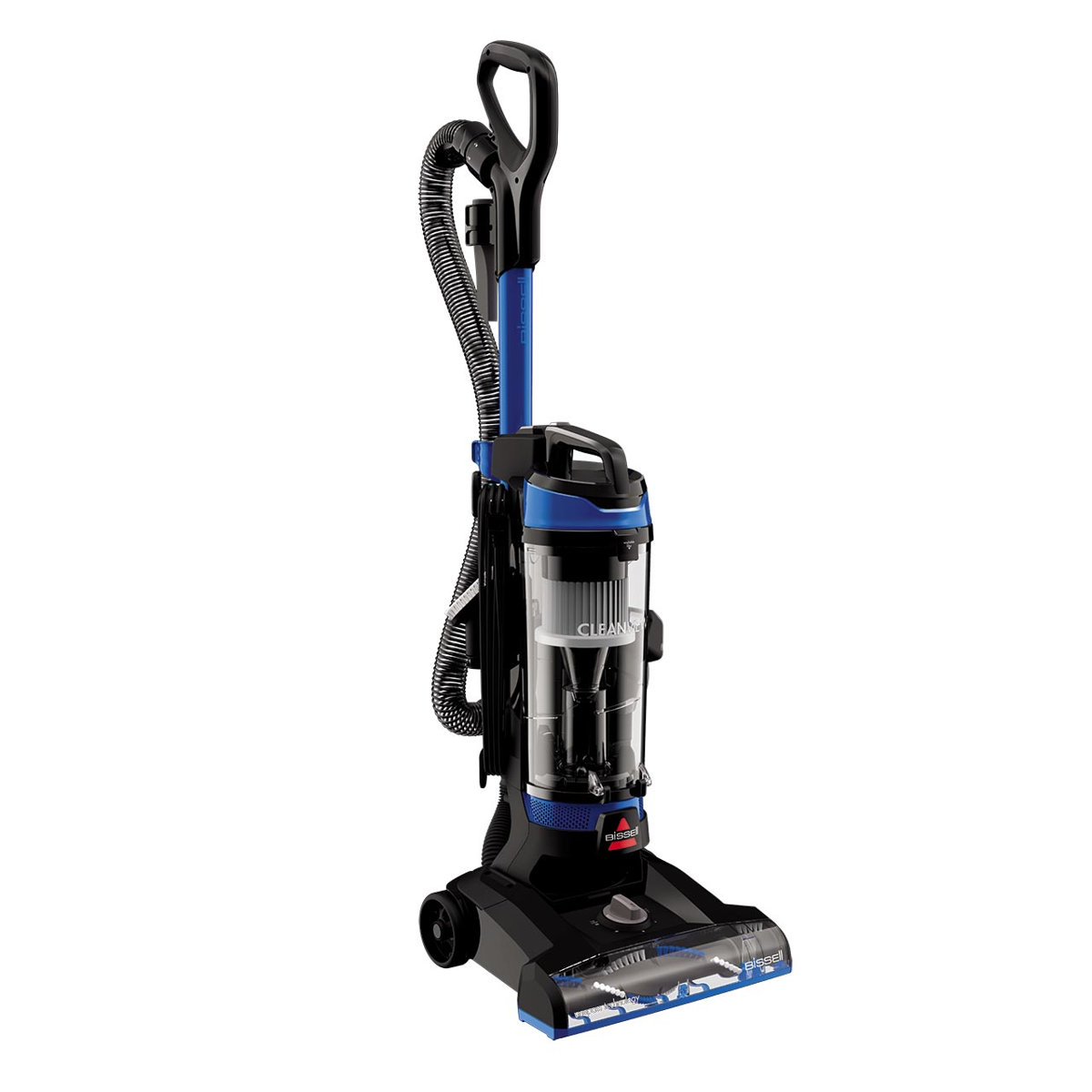
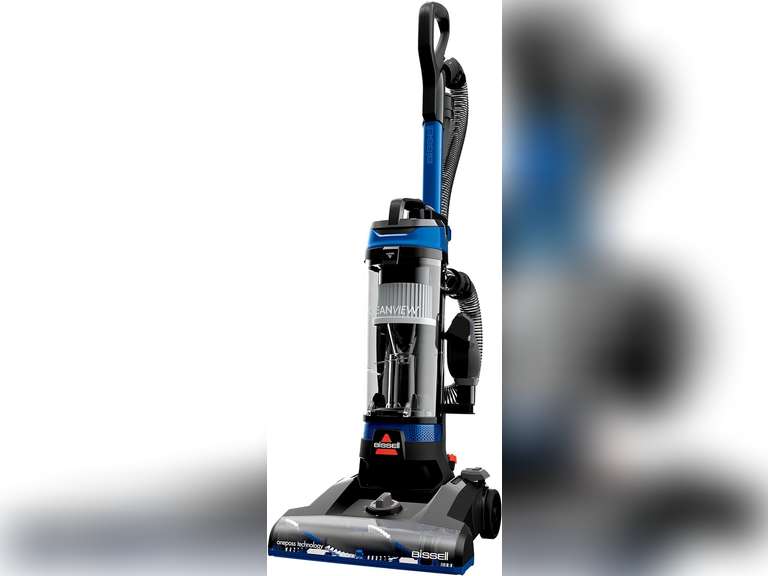
The BISSELL CleanView 3536 is a full-size, upright, bagless vacuum cleaner. “Bagless” means dirt collects in a removable dirt container instead of a paper or cloth vacuum bag. “Upright” means the motor, brush roll, handle, and cleaning head form one standing unit.
The vacuum is designed for dry household debris. It is not a wet vacuum, carpet cleaner, steam cleaner, or a safe tool for picking up liquids.
Typical parts include:
- Upright handle and body
- Floor cleaning head
- Rotating brush roll
- Dirt container
- Pre-motor and post-motor filters
- Flexible hose
- Extension wand or onboard tools, depending on the package
- Power cord
- Height adjustment control, if fitted to that production version
The exact accessories can differ. A machine marked “3536” may also have a longer product label with extra letters or numbers. Read the complete model number from the rating label before buying a belt, filter, hose, or brush roll.
What the model number tells you
The number 3536 identifies a product family, but it does not always identify every small revision. Manufacturers may change a filter shape, tool holder, belt, or dirt cup during a product’s sales life.
Before ordering a part, compare:
- The full model number
- The shape and size of the old part
- The attachment connection
- The voltage and plug style
- The diagram in the matching owner’s guide
This step can prevent a common mistake: buying a part listed for a similar-looking CleanView model that does not fit the 3536.
BISSELL CleanView 3536 Key Features
The BISSELL CleanView 3536 focuses on simple, corded cleaning rather than smart controls or cordless convenience. Its main benefits are a large cleaning head, steady power from a wall outlet, and a reusable dirt container.
Bagless dirt collection
The dirt container lets you see when the vacuum needs emptying. It also removes the need to buy standard disposable vacuum bags.
Bagless cleaning has a trade-off. Emptying the bin can release a small cloud of dust, especially when fine powder has collected around the filter. Empty the container outdoors if possible, and keep your face away from the opening.
Rotating brush roll
The brush roll helps lift hair, crumbs, and dry soil from carpet fibers. It can also create problems if thread, string, or hair wraps around the roller.
A brush roll that stops turning does not always mean the motor has failed. A jam, worn belt, blocked air path, or failed brush-roll drive can cause the same symptom.
Corded operation
a corded upright does not depend on a battery. This can help during long cleaning sessions because suction does not fade as a battery charge runs down.
The cord also limits movement. Never pull the vacuum by the cord, run it over the cord, or use a damaged cord. Unplug the cleaner before removing a jam or servicing the brush area.
Floor-height adjustment
If your 3536 has a height control, use the lowest setting that allows the vacuum to move without excessive drag. A setting that is too low can strain the belt and brush roll. A setting that is too high may reduce contact with the carpet.
Start at a middle setting. Lower or raise it based on the way the machine moves and the amount of debris it collects.
Onboard hose and tools
Some CleanView 3536 packages include a hose, wand, crevice tool, or dusting tool. These parts are useful for stairs, edges, furniture, and narrow spaces.
Always check that the hose is fully seated. A loose hose can create a large air leak and make the vacuum seem weak even when the motor is working.

BISSELL 3536 Specifications: What to Check
Online listings often mix specifications from different CleanView models. For an accurate record, use the label on your vacuum and the matching BISSELL owner’s guide.
Look for these details:
| Specification | Where to verify it | Why it matters |
|---|---|---|
| Full model number | Rating label on the vacuum | Confirms parts and manual |
| Electrical rating | Rating label | Confirms safe outlet use |
| Cord length | Product label or manual | Helps plan room coverage |
| Cleaning path | Product documentation | Shows how much floor each pass covers |
| Filter type | Owner’s guide or filter label | Determines cleaning and replacement needs |
| Belt type | Parts diagram or manual | Prevents a poor fit |
| Included tools | Original package or manual | Avoids assuming an accessory is included |
| Warranty status | Original paperwork and BISSELL support | Older units may no longer have active coverage |
Do not assume every online specification is for model 3536
Retail pages may copy data from another CleanView version. A listing may show a different motor rating, hose design, brush roll, or filter system.
The safest approach is to treat a seller’s specification as unconfirmed until it matches the model label or official documentation. This matters most when buying replacement parts or a used vacuum.
Power and outlet safety in the United States
Use the vacuum only with the electrical supply shown on its rating label. Most US household outlets provide nominal 120-volt service, but the label remains the final reference for the machine.
Do not use an extension cord unless the owner’s guide allows it and the cord is rated for the vacuum’s electrical load. Never operate the vacuum with a cut, crushed, hot, or exposed power cord.
How to Use the BISSELL CleanView 3536
Correct setup improves cleaning and reduces stress on the belt, brush roll, and motor.
Before the first cleaning session
- Remove packing material from the vacuum and tools.
- Check that the dirt container is locked in place.
- Confirm that the filters are installed.
- Inspect the hose for cracks or loose connections.
- Check the brush roll for shipping debris.
- Fully unwind enough cord for the room.
- Set the cleaning height to a middle position, if available.
Do not run the vacuum without its required filters. Filters help protect the motor from dust and help keep fine particles from returning to the room.
Carpet cleaning
For carpet, move the vacuum in slow, straight passes. Overlap each pass slightly so narrow strips of carpet are not missed.
If the vacuum is hard to push:
- Raise the height setting slightly.
- Check the brush roll for a jam.
- Inspect the belt.
- Look for a blocked floor opening.
- Empty the dirt container.
If the brush roll does not seem to contact the carpet, lower the height setting one step at a time. Do not force the machine into the carpet.
Hard-floor cleaning
Use the floor setting recommended in the owner’s guide. If the vacuum has a brush-roll control, follow the floor-care instructions for your version.
Loose grit can scratch some delicate floors. Use a gentle pass and avoid pressing the cleaner down. Pick up large sharp objects by hand before vacuuming.
Do not use the BISSELL 3536 to collect water, wet food, spilled drinks, fireplace ash, or other materials not approved by the manual.
Using the hose and attachments
Turn off and unplug the vacuum before changing attachments if the manual directs you to do so. Pull the hose straight from its connection rather than twisting it sharply.
For stairs, keep the vacuum stable on the floor when possible. Do not place a full-size upright on a stair tread where it could fall. Use the hose and tool from a safe position, and keep the power cord away from the stair edge.

How to Empty and Clean the Dirt Container
Empty the dirt container when it reaches the fill line or when airflow begins to drop. Waiting until the bin is packed can reduce suction and place more dust on the filters.
Safe emptying steps
- Turn off and unplug the vacuum.
- Remove the dirt container according to the handle or release button design.
- Hold the container over a trash can.
- Open the bottom door or lid.
- Tap out loose debris.
- Close the door until it locks.
- Reinstall the container firmly.
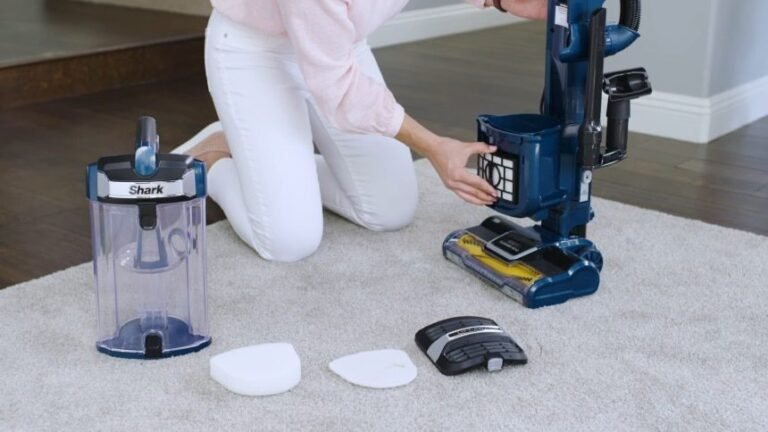
If fine dust sticks to the filter screen, clean the filter according to the owner’s guide. Do not wash a filter unless the guide says it is washable.
Let a washable filter dry completely before reinstalling it. A damp filter can restrict airflow and may damage the vacuum.
How often should you empty it?
Empty the bin after each major cleaning session if it is near full. Homes with pets, shedding, remodeling dust, or high-traffic rugs may need more frequent emptying.
A smaller amount of debris can still cause poor performance if it blocks the filter or cyclone area. Bin volume alone does not tell you when service is needed.
BISSELL CleanView 3536 Filter and Belt Maintenance
Regular maintenance is the best way to keep an older bagless vacuum working. The filter and belt need different care, so do not treat them as interchangeable parts.
Filter care
A dirty filter can cause weak suction, louder operation, overheating, or dust that escapes from the exhaust.
Use this basic routine:
- Empty the dirt container first.
- Remove the filter only after unplugging the vacuum.
- Shake or brush off loose dry dust where appropriate.
- Wash the filter only if the guide permits it.
- Allow washable filters to dry fully.
- Replace filters that are torn, hardened, misshapen, or permanently clogged.
Never operate the machine without a required filter. Never reinstall a wet filter.
Belt care
The belt transfers motor power to the brush roll. It can stretch, crack, slip, or break with age.
Signs of a belt problem include:
- The brush roll stops turning
- A burning-rubber smell
- A squeal from the floor head
- Visible slack or damage
- The brush roll turns freely by hand but does not run when powered
Unplug the vacuum before inspecting the belt. Keep fingers away from sharp edges and moving parts. If the belt replacement requires removing several covers, follow the exact model guide rather than forcing the housing apart.
Brush-roll care
Cut hair and thread away from the brush roll with scissors. Pull the debris out carefully. Do not cut the bristles or damage the end caps.
If the brush roll has sealed bearings or a damaged end cap, replacement may be safer than aggressive cleaning. A brush roll that binds after cleaning can overload the belt and motor.

BISSELL CleanView 3536 Troubleshooting
Start with simple and safe checks. Always unplug the vacuum before opening the floor head, removing a blockage, or inspecting the belt.
| Symptom | Likely causes | First checks |
|---|---|---|
| Weak suction | Full bin, dirty filter, blocked hose, air leak | Empty bin, clean approved filters, inspect hose |
| Brush roll will not turn | Jam, broken belt, switch setting, drive fault | Remove debris and inspect belt |
| Vacuum is noisy | Loose part, blockage, worn brush roll, motor issue | Turn off, inspect hose and brush area |
| Burning smell | Belt slip, brush jam, electrical fault | Unplug at once and inspect before reuse |
| Dust blows out | Missing filter, damaged filter, poor seal | Check filter and dirt-container fit |
| Vacuum shuts off | Overheating, blockage, electrical fault | Unplug, let it cool, clear airflow path |
| Hard to push | Height too low, brush jam, carpet seal | Raise height and inspect brush |
| Hose has little suction | Clog, loose hose, full bin, dirty filter | Check hose ends and airflow path |
Weak suction
Begin at the dirt container. Empty it, then inspect the filter and hose.
Check the hose from both ends. A blockage near the handle may not be visible from the floor opening. A broom handle can damage the hose, so use a safe, flexible method and avoid sharp objects.
If suction remains weak after cleaning the air path, inspect seals and the floor nozzle. A cracked hose or loose container gasket can create an air leak.
Brush roll does not spin
Turn off and unplug the vacuum. Remove hair and thread from the roller. Then inspect the belt for breaks, stretching, or glazing.
If the belt looks sound but the brush roll still does not turn, the problem may involve the brush-roll switch, drive system, or internal wiring. Do not keep running the vacuum if it smells hot or burns the belt.
Burning smell
A burning-rubber smell often points to a slipping belt or a brush roll that cannot rotate. Unplug the vacuum immediately.
Do not assume the smell will go away after continued use. Clear the jam and inspect the belt after the machine cools. If the cord, plug, motor, or housing becomes hot, stop using the vacuum and seek qualified repair help.
Vacuum shuts off during use
Some vacuums stop when airflow is restricted and the motor becomes too hot. Turn the machine off, unplug it, empty the bin, and check the filters, hose, and floor opening.
Allow the vacuum to cool before testing it again. If it repeatedly shuts off with a clean air path, the motor, thermal protector, or electrical system may need service.
Is a Used BISSELL 3536 Worth Buying?
A used BISSELL CleanView 3536 may be practical when it is inexpensive, complete, and easy to test. Its value depends less on the model name than on the condition of the motor, brush roll, hose, filters, cord, and dirt container.
Check these parts before buying
Ask the seller whether you can test the vacuum on both the hose and floor head. Look for:
- Smooth motor sound
- No burning smell
- Working brush roll
- Intact power cord and plug
- Secure dirt container
- Complete hose connection
- Clean or replaceable filters
- No major cracks in the body
- Available belts and filters
- A readable model label
A low purchase price can become expensive if the vacuum needs a motor, floor head, hose, and several missing tools.
When to avoid the machine
Avoid a used unit if:
- The cord insulation is cut or exposed
- The plug is melted or damaged
- The motor makes grinding or sharp electrical sounds
- The body has major cracks
- The vacuum overheats quickly
- The seller will not allow a basic test
- Replacement parts cannot be confirmed
- The machine has signs of water damage
For an older vacuum, repair parts may be available through official support, appliance-part sellers, or used-part markets. Availability can change, so confirm the exact model before paying.
BISSELL 3536 Compared With a New Vacuum
The CleanView 3536 can still handle basic dry debris if it is maintained. A newer vacuum may offer easier filter access, better seals, improved edge cleaning, quieter operation, or updated tools. Those benefits are not guaranteed by age alone; compare the exact models.
Choose the older BISSELL 3536 when:
- You already own it
- The motor and brush roll work well
- Replacement parts are easy to find
- You want a simple corded machine
- The repair cost is low
Consider a newer vacuum when:
- The 3536 needs major electrical repair
- The hose or floor head is unavailable
- You need sealed filtration for fine dust
- You want a lighter body or cordless use
- You need specialized pet-hair or hard-floor features
Do not compare only motor wattage or amp rating. Cleaning results also depend on airflow, brush design, seals, filtration, floor type, and maintenance.
Common Mistakes to Avoid
Several simple mistakes can shorten the life of the BISSELL CleanView 3536.
Running it with a full or wet filter
A blocked filter restricts airflow. A wet filter can also cause additional problems. Empty the container and dry approved washable filters fully before use.
Vacuuming liquids
The BISSELL 3536 is a dry vacuum. Water and other liquids can damage electrical parts and create a shock hazard. Use a wet/dry vacuum designed for liquid pickup instead.
Ignoring a burning smell
A hot smell may signal a slipping belt, seized brush roll, or electrical issue. Stop the vacuum rather than trying to finish the room.
Using the wrong replacement part
A part made for another CleanView model may look similar but fit poorly. Match the full model number and compare the part shape.
Pulling the vacuum by its cord
This can damage the cord near the plug or machine body. Carry the vacuum by its handle and keep the cord behind the cleaning path.
Forcing the brush roll
If hair is tightly wrapped, cut it away in sections. Do not force the roller or pry against plastic housings.
Where to Find the BISSELL 3536 Manual and Parts
Start with the official BISSELL support site and search by the full model number printed on the vacuum. The owner’s guide is the best source for:
- Filter removal
- Dirt-bin instructions
- Belt access
- Height-control use
- Tool storage
- Electrical information
- Approved maintenance steps
If official documentation is unavailable, use a replacement-parts seller only after comparing photos, dimensions, mounting points, and model compatibility. A marketplace title that says “fits CleanView” is not enough proof that it fits model 3536.
For an older machine, keep the following information with the vacuum:
- Full model number
- Serial number, if present
- Filter shape
- Belt dimensions or part number
- Brush-roll length
- Hose connection style
This record makes future maintenance much easier.

Frequently Asked Questions
Does the BISSELL CleanView 3536 use vacuum bags?
No. The 3536 is a bagless upright design. Dirt collects in a removable container that must be emptied and maintained.
Can the BISSELL 3536 pick up water?
No. Treat it as a dry vacuum unless the matching owner’s guide clearly states otherwise. Do not use it for spills or wet debris.
Why is my BISSELL 3536 losing suction?
Common causes include a full dirt container, dirty filter, blocked hose, blocked floor opening, damaged seal, or cracked hose. Unplug the vacuum and check those areas in that order.
Why does the brush roll stop spinning?
A wrapped brush roll, stretched or broken belt, brush-roll switch issue, or internal drive fault can stop the roller. Clear debris and inspect the belt before using the vacuum again.
How often should I replace the filters?
There is no safe schedule for every home. Clean approved washable filters as directed, and replace filters when they are damaged, permanently clogged, or no longer restore airflow after proper cleaning.
Is the BISSELL 3536 suitable for pet hair?
It may collect routine pet hair when the brush roll works correctly, but results depend on the floor, hair type, brush condition, and filter maintenance. A newer pet-focused vacuum may be a better choice for heavy shedding.
Final Recommendation
The BISSELL CleanView Upright Bagless Vacuum Cleaner 3536 is a straightforward corded vacuum for dry household cleaning. Its strongest advantages are simple operation, reusable dirt collection, and a design that can be maintained without disposable bags.
Before using one, confirm the full model number, inspect the cord and plug, empty the bin, check the filters, and test the brush roll. If the machine has a burning smell, damaged wiring, repeated overheating, or unavailable parts, replacement may be safer and more practical than repair.
For the next step, locate the model label on your vacuum and match it with the official BISSELL owner’s guide before ordering any belt, filter, hose, or brush roll.