Using a pool vacuum removes dirt, sand, leaves, and fine debris that a skimmer or pool brush may leave behind. For most swimming pools in the United States, the basic process is simple: assemble the vacuum, fill the hose with water, connect it to the suction line, vacuum the pool slowly, and clean the filter afterward.
The exact steps depend on whether you have a manual suction vacuum, a pressure-side cleaner, a robotic cleaner, or a built-in in-floor system. Always follow the instructions for your pool pump, filter, vacuum head, and cleaner. Equipment layouts and valve labels can vary by home and by manufacturer.
Choose the Right Pool Vacuum Method
The best method depends on your vacuum type and the kind of debris in the pool.
Manual suction pool vacuum
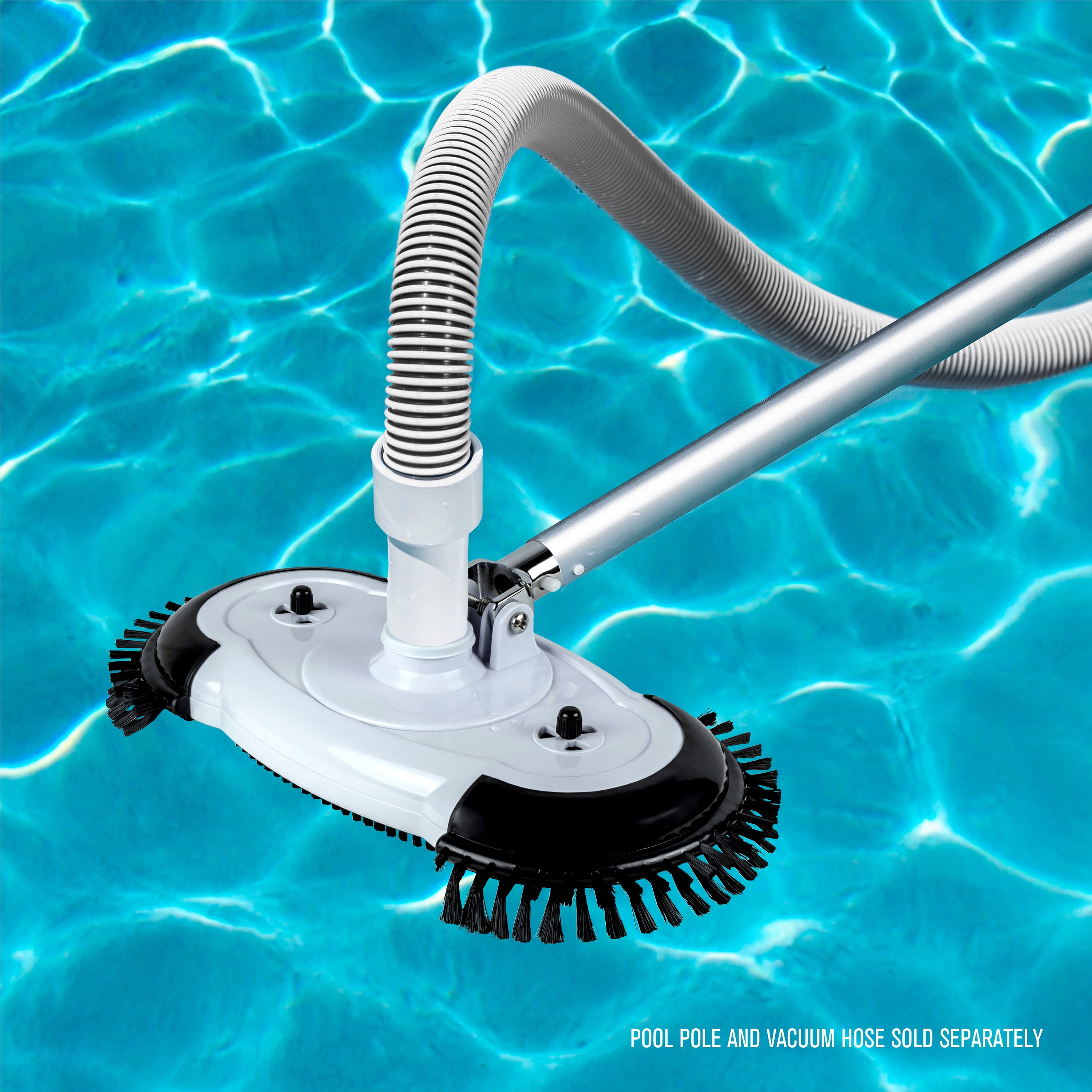
A manual suction vacuum uses the pool pump to pull water through a vacuum head and hose. It usually includes:
- A vacuum head
- A telescoping pole
- A flexible vacuum hose
- A skimmer plate, sometimes called a vacuum plate
- A skimmer basket
- A pool filter and pump
This type gives you direct control. It works well for dirt, dust, algae debris, and leaves that settle on the floor.
Robotic pool vacuum
A robotic pool cleaner has its own motor and filter bag or cartridge. It does not normally connect to the pool pump or skimmer. You place it in the water, connect its power supply as directed, and select a cleaning cycle.
Keep the power supply away from the pool edge and use only the equipment and outlet setup approved by the manufacturer. The U.S. Consumer Product Safety Commission advises using ground-fault circuit interrupter protection for electrical equipment near pools and following electrical safety rules carefully.
Pressure-side pool cleaner
A pressure-side cleaner connects to a return line or a dedicated pressure port. Water pressure moves the cleaner and pushes debris into a filter bag.
This system usually runs with the pool pump. It may need a booster pump, depending on the model. Use the cleaner’s manual for hose length, connection points, and operating time.
In-floor pool vacuum system
An in-floor system uses built-in cleaning heads. These heads direct debris toward the main drain or a collection area. The controls differ widely, so use the system’s valve diagram and owner’s manual.
Which method should you use?
| Pool problem | Suitable method |
|---|---|
| Dust and fine dirt on the floor | Manual suction or robotic vacuum |
| Leaves and larger debris | Leaf net first, then manual or robotic vacuum |
| Regular weekly cleaning | Robotic, suction, or pressure-side cleaner |
| Heavy algae debris | Manual vacuum, often to waste if the system allows it |
| Small spot of dirt | Manual vacuum or a small handheld cleaner |
| Debris that may clog the filter | Remove large debris first and inspect the filter often |
A pool vacuum is not a substitute for water testing. Cleaning removes debris, but it does not correct improper chlorine, pH, alkalinity, or sanitizer levels.

What You Need Before Vacuuming
Gather the equipment before you turn on the pump. This prevents long pauses while the pump is running and reduces the chance of losing prime.
You may need:
- A vacuum head
- A telescoping pole
- A vacuum hose long enough to reach the farthest pool area
- A skimmer plate or vacuum plate
- A clean skimmer basket
- A clean or serviceable filter
- A pool brush
- A leaf net
- Water test supplies
- The pool equipment manual
Check the pool water first. If the water is cloudy enough that you cannot see the floor, do not vacuum blindly. Poor visibility can hide drains, fittings, steps, toys, or other hazards.
Remove large leaves and branches with a leaf net. Large debris can block the vacuum head, skimmer basket, pump basket, or filter.
Inspect the equipment pad. Look for leaks, loose lids, cracked fittings, and unusual damage. Do not operate damaged electrical equipment. If you see a wiring problem, call a qualified pool or electrical professional.

How to Use a Manual Pool Vacuum
Follow these steps for a standard manual suction pool vacuum connected through the skimmer.
1. Turn off the pump before connecting equipment
Turn off the pool pump before changing valve positions or connecting the vacuum hose. Keep hands, clothing, and tools away from moving pump parts.
Check the water level. Water should normally be high enough to cover the skimmer opening during vacuuming. If the water level is too low, the pump may draw air.
2. Assemble the vacuum head
Attach the vacuum head to the telescoping pole. Make sure the connection locks in place.
Attach one end of the vacuum hose to the vacuum head. Push the hose firmly onto the fitting so it does not pull loose while you work.
3. Fill the vacuum hose with water
The hose must be full of water before it connects to the suction line. Air in the hose can reduce suction and may cause the pump to lose prime.
A simple method is:
- Place the vacuum head on the pool floor.
- Hold the hose in the water.
- Move the open end of the hose under the water.
- Keep the hose underwater until air bubbles stop coming out.
- Do not lift the hose end back into the air.
Some pool owners place the hose against a return jet to help push air out. Do this only while keeping the hose under water and only if the setup allows it.
4. Connect the hose to the skimmer
There are two common connection methods.
Using a skimmer plate
With the pump off, place the skimmer plate over the skimmer basket. Connect the filled hose to the plate’s opening.
In many systems, the plate lets you vacuum without removing the skimmer basket. The basket catches larger debris before it reaches the pump.
Connecting directly to the skimmer
Some systems require the hose to connect directly to the suction port inside the skimmer. Follow the equipment manual. Never guess if the skimmer has more than one port.
Keep the hose underwater while making the connection. A hose that fills with air may reduce pump flow.
5. Set the valves correctly
Valve settings vary by pool system. Common settings include:
- Filter: Sends vacuumed water through the filter and back to the pool.
- Waste: Sends water and debris out of the system instead of through the filter.
- Drain: May send water away from the pool, depending on the plumbing.
- Recirculate: Bypasses the filter and usually is not used for normal vacuuming.
- Closed: Stops water flow. Do not run the pump with a closed suction or return path.
For routine dirt, the Filter setting is often suitable. For heavy algae or very dirty water, Waste may be useful if your system has that setting. Vacuuming to waste lowers the water level, so watch the pool and replace water as needed.
Only discharge pool water where local rules allow. Chlorinated water may harm grass, landscaping, storm drains, or nearby waterways. Check your city, county, or state requirements before sending water to waste.
6. Start the pump and check suction
Turn on the pump. Watch the pump basket, pressure gauge, and return jets.
Good signs include:
- Water returns to the pool normally.
- The pump basket stays full of water.
- The vacuum head feels lightly pulled to the floor.
- The pressure gauge remains within the normal range for your system.
If the pump makes a rattling or grinding sound, shut it off. If the pump basket fills with air, stop and check the hose, water level, lid seal, and connections.
7. Vacuum the pool slowly
Move the vacuum head across the floor in slow, overlapping passes. Start at the shallow end and work toward the deep end if that makes hose control easier.
Slow movement matters. Fast strokes stir dirt into the water before the vacuum can collect it.
Use a pattern such as:
- Vacuum along the walls.
- Move across the shallow floor.
- Continue toward the deep end.
- Overlap each pass slightly.
- Pause over thick spots of dirt.
- Avoid dragging the head across fittings or sharp surfaces.
If the water becomes cloudy, slow down or stop. Let the debris settle before continuing.
8. Finish and disconnect safely
Turn off the pump before changing valves or disconnecting the hose. Remove the hose while keeping it underwater when possible.
Empty the skimmer basket and pump basket if they contain debris. If you used the Waste setting, restore the normal valve position and refill the pool to the proper level.
Backwash a sand or diatomaceous earth filter only according to the filter manufacturer’s instructions. Cartridge filters are not backwashed. They must be removed and cleaned as directed.

How to Use a Robotic Pool Vacuum
A robotic cleaner follows a different process because it has its own motor and filter.
- Remove large leaves with a leaf net.
- Inspect the cleaner, cable, filter basket, or filter cartridge.
- Place the robot in the pool as the manual directs.
- Let trapped air escape before starting the cycle.
- Place the power supply in the approved location.
- Start the cleaner using its control panel or app, if included.
- Remove the cleaner after the cycle ends.
- Turn off and unplug the power supply before handling the cleaner.
- Empty and rinse the filter basket or cartridge.
- Store the cleaner out of direct sun if the manual recommends it.
Do not pull a robotic cleaner from the pool by its power cable unless the manufacturer specifically permits it. Use the handle or retrieval method provided with the unit.
A robotic cleaner may not remove every type of debris in one cycle. Fine dust, heavy leaves, wall stains, and algae may need a brush, leaf net, or manual vacuum.

How to Vacuum a Pool to Waste
Vacuuming to waste sends dirty water out of the pool system instead of through the filter. This can help when the pool contains a large amount of algae or heavy debris that could quickly load the filter.
Use this method only when:
- Your plumbing has a waste or drain setting.
- The filter manufacturer allows the procedure.
- Local discharge rules permit the water to leave the property.
- You can maintain a safe water level.
The basic process is:
- Remove large debris with a leaf net.
- Turn off the pump.
- Set the valve to Waste or the correct drain position.
- Prime the vacuum hose.
- Connect the hose to the skimmer system.
- Turn on the pump.
- Vacuum slowly.
- Watch the water level during the entire process.
- Stop before the pump begins to draw air.
- Turn off the pump before returning the valve to its normal position.
- Refill the pool if needed.
- Test and balance the water.
Never run the pump dry. A low water level can allow air into the skimmer and pump, which may cause loss of prime or equipment damage.
How Often Should You Vacuum a Pool?
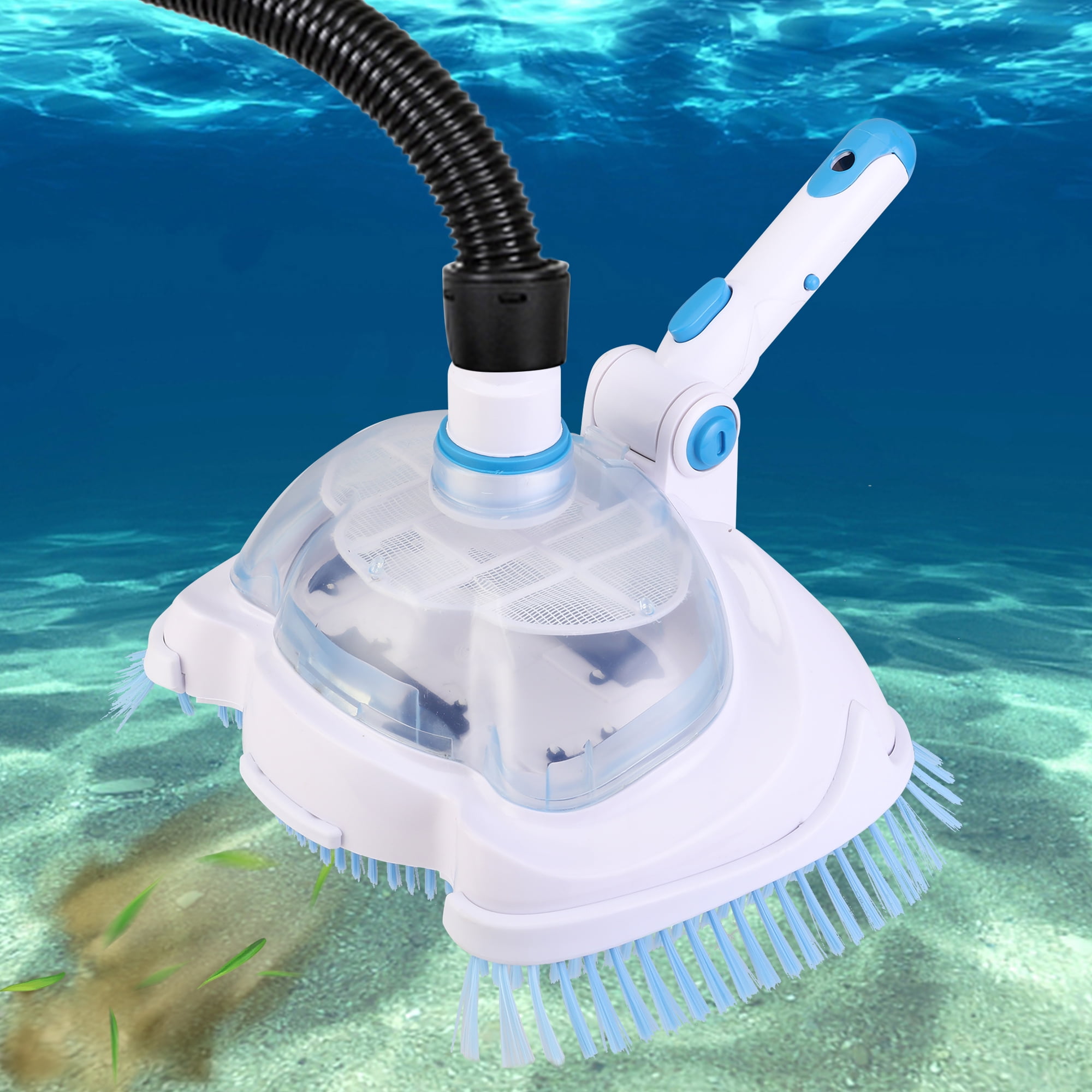
Vacuum when debris settles on the floor or when brushing leaves dirt that the circulation system does not remove.
Many residential pools need cleaning about once a week during normal use. Pools may need more frequent vacuuming when:
- Trees drop leaves into the water.
- Wind carries dust or pollen into the pool.
- Swimmers bring in dirt.
- The pool has recently opened for the season.
- Algae has been treated.
- A storm has passed.
- The pool is near construction or unpaved soil.
A good schedule is based on the pool’s condition, not a fixed calendar. Skim the surface often, brush the walls and floor, empty baskets, and test the water as part of routine care.
Vacuuming does not replace circulation. Run the pump according to your equipment instructions and local service needs. Pump run time depends on pool size, plumbing, filter type, water temperature, and the condition of the water.

Troubleshooting Pool Vacuum Problems
The vacuum has no suction
Possible causes include:
- Air trapped in the hose
- A loose hose connection
- A low water level
- A clogged skimmer basket
- A clogged pump basket
- A dirty filter
- An incorrect valve position
- A blocked vacuum head
Turn off the pump before inspecting connections. Refill the hose with water and reconnect it. Then check the baskets and filter.
The pump loses prime
Air may enter through the vacuum hose, skimmer, pump lid, or a low water level.
Check that:
- The skimmer is not drawing air.
- The pump lid is tight.
- The lid gasket is clean and seated.
- The hose is full of water.
- The pool water covers the skimmer opening.
- The suction valve is open.
If the pump repeatedly loses prime, stop using it and contact a pool professional. Continued operation with air in the system can damage the pump.
The vacuum head floats
The head may contain trapped air. Hold it underwater and tilt it slightly to release air.
The hose may also be pulling upward. Make sure the hose is the correct length. Too much hose can create drag and lift the vacuum head.
The water becomes cloudy
You may be moving the vacuum too quickly. Use slow, overlapping passes.
Cloudy water can also result from:
- Fine dust passing through the filter
- Algae growth
- Poor filtration
- Incorrect water balance
- A filter that needs cleaning
- A damaged filter element
Test the water and inspect the filter. If you cannot see the pool floor, stop vacuuming until visibility improves.
The pressure gauge rises quickly
A fast pressure increase often means the filter is collecting a large amount of debris. Stop the pump and clean or backwash the filter according to the filter type and manufacturer’s instructions.
Do not remove a filter lid while the pump is running or while the filter is pressurized.
The vacuum clogs
Turn off the pump before clearing the vacuum head, hose, skimmer basket, or pump basket.
Use a leaf net before vacuuming large debris. If the pool contains many leaves, a leaf canister may reduce the amount of debris entering the skimmer system, if compatible with your setup.

Common Pool Vacuum Mistakes to Avoid
Moving the vacuum too fast
Fast movement stirs dirt into the water. Slow passes collect more debris and reduce the need to repeat the job.
Starting with air in the hose
Air can reduce suction and make the pump lose prime. Fill the hose fully before connecting it.
Vacuuming with a dirty filter
A clogged filter reduces water flow. Clean the filter when the pressure reaches the level specified by the manufacturer or when flow drops noticeably.
Using the wrong valve setting
The wrong setting can send water in an unwanted direction or bypass the filter. Read the valve labels and equipment diagram before starting.
Forgetting water loss
Vacuuming to waste removes pool water. Watch the water level and stop before the pump draws air.
Vacuuming large leaves through the skimmer
Large debris can block the hose or baskets. Remove it with a leaf net first.
Running the pump without water flow
Never run the pump with a closed valve, blocked suction line, or empty pump basket. Turn off the pump if you hear unusual noise or see air collecting in the basket.
Treating algae with vacuuming alone
Vacuuming removes some algae debris, but it does not replace proper water treatment. Test the water, brush affected surfaces, and follow a safe sanitation plan based on the product label and pool guidance.
The CDC’s Model Aquatic Health Code provides public-pool guidance on water quality and operation. Residential pool owners should also follow product labels, local rules, and equipment manuals.

Pool Vacuum Safety Tips
Use these precautions every time:
- Keep children and pets away from the equipment pad.
- Do not swim while handling electrical equipment.
- Keep electrical connections dry.
- Use only properly rated, ground-fault-protected electrical equipment near the pool.
- Turn off the pump before changing valves or clearing blockages.
- Never open a pressurized filter.
- Never place hands near a suction outlet.
- Do not block or cover a pool drain.
- Do not vacuum when you cannot see the pool floor.
- Keep chemical products in their original labeled containers.
- Follow the label when adding pool chemicals.
- Call a qualified professional for damaged wiring, repeated pump problems, broken drain covers, or pressure-vessel concerns.
If a drain cover is missing, broken, or loose, do not use the pool. A damaged drain cover can create a serious entrapment hazard.

Frequently Asked Questions
Do I vacuum a pool on the filter or waste setting?
Use Filter for normal dirt when the filter is clean and the water level is stable. Use Waste only when your system supports it, the pool has heavy debris or algae, and local discharge rules allow it. Waste removes pool water, so monitor the level closely.
Should I brush the pool before vacuuming?
Yes. Brush walls, steps, and areas where dirt sticks before vacuuming. Brushing loosens debris so the vacuum can collect it. For heavy algae, follow the pool chemical product label and correct the water balance as well.
Can I vacuum a pool without a skimmer plate?
Some systems allow the hose to connect directly inside the skimmer. Others require a vacuum plate or a dedicated suction port. Do not improvise a connection that could allow air into the pump or damage the plumbing.
Why does my pool vacuum keep losing suction?
The most common causes are air in the hose, a low water level, a clogged basket, a dirty filter, or an incorrect valve position. Turn off the pump before checking each item.
Can I leave a robotic pool vacuum in the pool?
Follow the cleaner’s manual. Some models allow limited in-pool storage, while others should be removed after each cycle. Remove the cleaner before swimming if the manufacturer or local safety guidance requires it.

Final Takeaway
To use a pool vacuum, remove large debris, assemble the vacuum head and pole, fill the hose with water, connect it to the correct suction point, select the proper valve setting, and vacuum slowly. Check the pump, baskets, filter pressure, and water level while you work.
For routine cleaning, vacuum to the filter. For heavy debris, vacuum to waste only when the system and local rules allow it. Stop if the pump loses prime, the water level drops too far, or you find damaged electrical or suction equipment.