Introduction
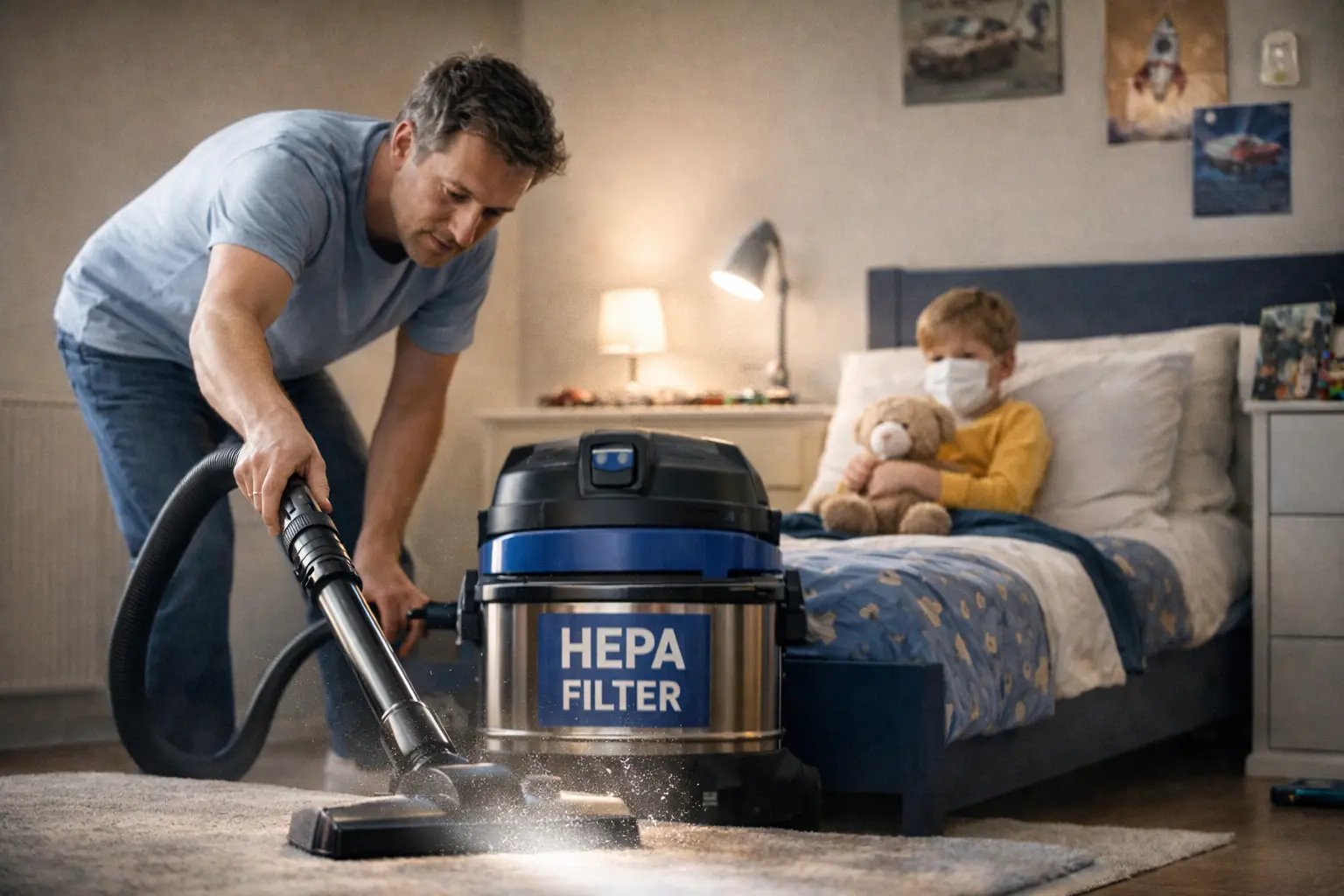
For households in the United States, vacuum HEPA filter cleaning depends on the vacuum model and the filter design. Some HEPA filters are washable, while others are disposable or should only be gently tapped and replaced. Before cleaning, check the owner’s manual or the label on the filter. If the manufacturer does not specifically say the filter is washable, do not rinse it.
The safest general method is to unplug the vacuum, remove the filter outdoors or in a well-ventilated area, clear loose dust without damaging the pleats, and allow any approved washable filter to dry completely before reinstalling it.

What Is a HEPA Vacuum Filter?
A HEPA filter is a high-efficiency air filter designed to capture very small airborne particles. In the United States, the commonly referenced HEPA performance benchmark is the ability to remove at least 99.97% of particles measuring 0.3 microns under specified test conditions. The U.S. Department of Energy describes 0.3 microns as a particularly difficult particle size to capture; filters may capture larger and smaller particles as well.
In a vacuum, the HEPA filter is usually part of the exhaust-filtration system. It helps prevent fine dust, pollen, pet dander, and other particles from being blown back into the room after air passes through the vacuum.
A vacuum may contain several filters:
- Pre-motor filter: Protects the motor from dust and debris.
- Post-motor or exhaust filter: Cleans air before it leaves the vacuum.
- HEPA filter: A high-efficiency filter that may be located before or after the motor.
- Foam filter: Often washable, but not necessarily a HEPA filter.
- Bag or dust-cup filter: Holds collected debris and may work with the HEPA filter as part of a sealed system.
The term “HEPA” does not automatically mean “washable.” Filter media can be made from tightly pleated fiberglass, synthetic fibers, paper-like material, foam, or a combination of materials. Water, detergent, brushing, or compressed air can damage some designs.
Why cleaning matters
A clogged filter can reduce airflow and make a vacuum perform poorly. Common effects include:
- Weaker suction
- A hotter-running motor
- Increased operating noise
- Dust or odor coming from the exhaust
- Reduced battery runtime on cordless models
- Premature motor wear
- More dust escaping through gaps, seals, or an overloaded dust cup
Cleaning the filter does not make an expired or damaged filter new again. Replacement is necessary when the filter is torn, misshapen, permanently clogged, moldy, or no longer seals correctly.
How to Clean a Vacuum HEPA Filter Safely
Use the following process unless the vacuum manufacturer provides different instructions. The owner’s manual takes priority because cleaning methods vary by model.
1. Read the manual and inspect the filter
Find the exact vacuum model number and look for the sections titled “filter maintenance,” “filter cleaning,” or “filter replacement.” Confirm:
- Whether the filter is washable
- Whether water or mild detergent is permitted
- How often the manufacturer recommends cleaning
- Whether the filter must be replaced instead of cleaned
- Whether a second filter must be installed before operating the vacuum
- How long a washable filter must dry
If the filter has no washable symbol or the manual is unclear, treat it as non-washable.
2. Unplug the vacuum or remove the battery
turn off the vacuum and disconnect it from power. For a cordless vacuum, remove the battery if the design allows it. This prevents accidental startup and reduces the risk of electrical contact with water.
Never clean a filter while the vacuum is running. Do not open a dust compartment while the machine is connected to power unless the manual specifically requires it.
3. Move the filter-removal process outdoors when possible
Removing a loaded filter can release fine dust. In a U.S. home, a garage, covered porch, or outdoor area is generally preferable to a bedroom or living room.
If you have asthma, severe allergies, or another condition affected by airborne particles, consider having another person handle the dirty filter. A well-fitting N95 respirator can reduce inhalation of airborne particles, but it does not eliminate all exposure. Avoid cleaning dusty filters near children, pets, food, or open windows into occupied rooms.
4. Empty the dust cup or replace the bag first
A full dust cup or bag can contaminate a freshly cleaned filter. Empty or replace it according to the vacuum’s instructions.
- Hold the dust cup low over a trash bag.
- Open it carefully to reduce dust release.
- Seal the waste bag after emptying.
- Wipe the dust cup only if the manual permits it.
- Make sure the dust cup is completely dry before reinstalling it.
Do not rely on the HEPA filter to compensate for an overloaded dust cup or a damaged dust-cup seal.
5. Remove the filter without bending or crushing it
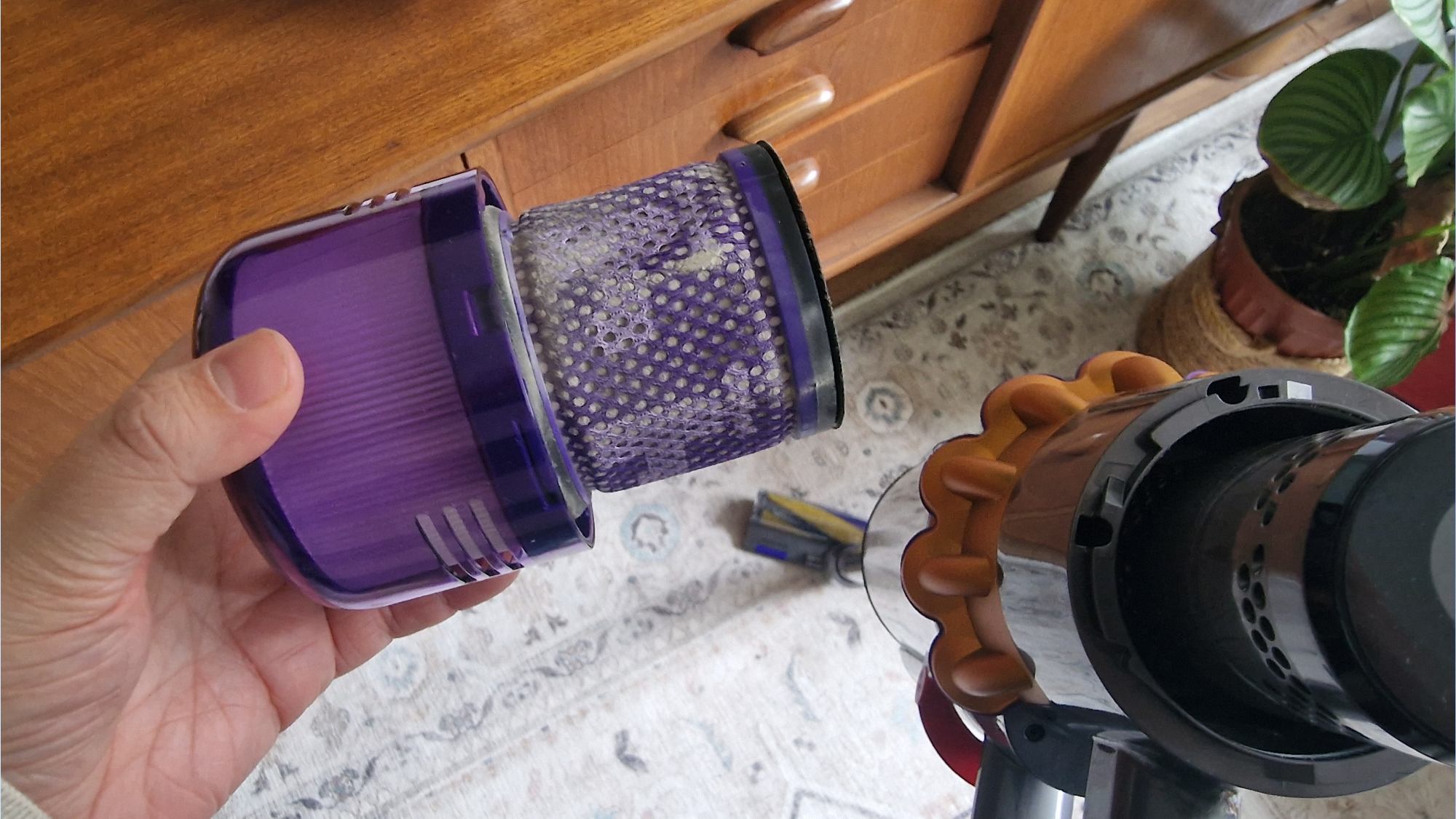
Open the filter housing and note the filter’s orientation. Some filters have an arrow, gasket, locking tab, or a specific motor-facing side.
Handle the frame rather than the pleated media. Avoid:
- Folding the filter
- Scraping the pleats
- Pulling on the filter material
- Using a stiff brush
- Tearing the rubber gasket
- Installing a filter backward
A filter that no longer fits tightly can allow unfiltered air to bypass it.
6. Clean a non-washable filter using the manufacturer-approved method
For a non-washable filter, use only the method permitted by the manual. Depending on the design, this may include:
- Gently tapping the filter against a hard outdoor surface
- Lightly shaking loose dust into a trash bag
- Wiping the frame with a dry cloth
- Replacing the filter instead of cleaning it
Do not use a household vacuum to clean the HEPA filter unless the manufacturer specifically approves that method. The second vacuum may become contaminated, and the filter may still release fine dust.
Avoid compressed air. Blowing air through the filter can force particles deeper into the media or disperse concentrated dust into the air. It can also damage pleats and seals.
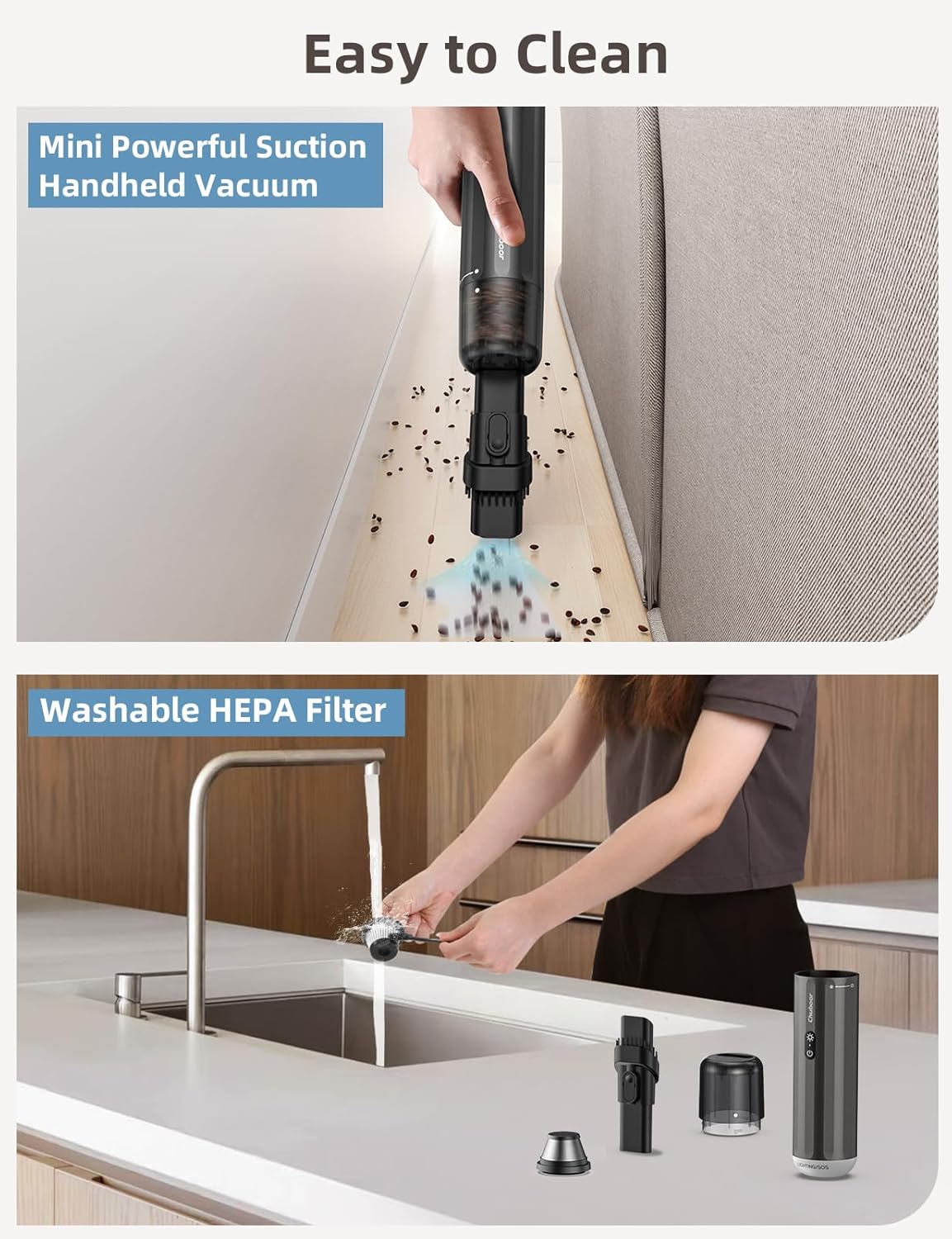
7. Wash the filter only when the manufacturer allows it
If the manual says the HEPA filter is washable:
- Rinse it under cool or lukewarm running water.
- Direct water through the clean side if the manufacturer specifies a direction.
- Avoid hot water unless the manual allows it.
- Do not use bleach, solvents, fabric softener, or strong detergents.
- Do not scrub the pleats.
- Continue rinsing until the runoff is reasonably clear.
- Shake off excess water gently.
Some manufacturers permit mild soap, while others prohibit it. Follow the exact model instructions rather than applying a general cleaning recipe.
8. Dry the filter completely
Place the filter in a warm, well-ventilated area away from direct high heat. Allow it to dry for the full time stated in the manual. If no drying time is provided, wait until the filter is completely dry throughout—not merely dry on the surface.
Do not:
- Use a hair dryer or heat gun
- Put the filter in a clothes dryer
- Reinstall a damp filter
- Run the vacuum without the required filter
- Place the filter on a radiator or heating register
Moisture can damage the motor, create odors, encourage microbial growth, or cause the filter media to deform.
9. Inspect and reinstall the filter
Before reinstalling, check for:
- Holes or tears
- Crushed pleats
- Loose adhesive
- A warped frame
- Mold or persistent odor
- A damaged gasket
- Dust bypass marks around the edges
Insert the filter in the original orientation and close the housing securely. If the vacuum uses more than one filter, reinstall all required filters.
10. Test the vacuum
After assembly, run the vacuum briefly in a clear area. Check for:
- Normal suction
- No unusual rattling
- No burning or electrical smell
- No visible dust plume
- No filter warning light
- No air leaking around the housing
Stop immediately if the vacuum overheats, produces a burning smell, or blows visible debris from the exhaust.
Washable vs. Non-Washable HEPA Filters
The correct cleaning method depends on the filter’s construction and the manufacturer’s instructions, not simply on whether it is labeled HEPA.
| Filter condition | Recommended action | Avoid |
|---|---|---|
| Manual says washable | Rinse as directed and dry completely | Hot water, harsh chemicals, incomplete drying |
| Manual says replaceable | Replace at the stated interval or when damaged | Washing or scrubbing |
| No instructions available | Use gentle dry cleaning only or replace it | Guessing that it is washable |
| Torn, warped, or poorly sealed | Replace the filter | Continuing to use it |
| Strong odor remains after approved cleaning | Replace it and inspect the vacuum | Masking the odor with fragrance |
| Visible mold or water damage | Replace it; clean the housing as directed | Reusing contaminated media |
A “washable” label may apply to a foam pre-filter rather than the HEPA filter itself. Check each filter separately.
How Often Should You Clean or Replace a Vacuum HEPA Filter?
There is no single schedule that fits every vacuum. Follow the manufacturer’s recommendation and adjust based on use.
Clean or inspect the filter sooner when:
- You vacuum daily
- You have shedding pets
- You collect fine dust, fireplace ash, drywall dust, or renovation debris
- You vacuum after a flood or water leak
- The vacuum shows a filter warning
- Suction decreases
- The exhaust develops an unusual odor
- The motor sounds strained
- The dust cup fills quickly
Many manufacturers recommend routine filter inspection every few weeks or months and periodic replacement, but the exact interval differs by model. A household vacuum used for normal dry dirt may need less frequent attention than one used in a home with multiple pets or heavy fine-particle debris.
Do not use a household vacuum for asbestos, lead-contaminated dust, mold remediation, or other regulated or hazardous materials unless it is specifically designed and approved for that work. Ordinary residential vacuum filters and seals may not provide adequate protection.

Troubleshooting Vacuum HEPA Filter Problems
The vacuum still has weak suction after cleaning
Possible causes include:
- A clogged hose or floor nozzle
- A full dust cup or bag
- A blocked brush roll
- A second filter that also needs cleaning or replacement
- A damaged seal around the filter
- A filter that has reached the end of its service life
- A motor or fan problem
Disconnect power before checking for blockages. If the filter looks clean but airflow remains poor, inspect the entire air path rather than repeatedly washing the same filter.
The vacuum smells musty after washing
A musty smell usually indicates trapped moisture, contamination in the housing, or a filter that cannot be fully cleaned. Remove the filter and let it dry completely. If the odor persists, replace the filter and clean only the surrounding components that the manual identifies as washable.
Do not add fragrance oils or household cleaners to the filter.
Dust is coming from the exhaust
Check whether:
- The filter is installed backward
- The filter housing is not fully closed
- The filter gasket is damaged
- The dust cup or bag is incorrectly fitted
- A filter is missing
- The filter is torn or overloaded
If the vacuum releases visible dust after these checks, stop using it until the filter and seals are repaired or replaced.
The filter warning light remains on
A warning light may indicate more than a dirty HEPA filter. It can signal restricted airflow, a full dust cup, a blocked hose, an incorrectly installed filter, or a sensor issue. Follow the model-specific reset instructions. Do not ignore the warning if the vacuum is overheating.
The filter is difficult to remove
Do not pry aggressively or use metal tools near the filter media. Look for locking tabs, threaded caps, or a release button. If the filter is stuck because of dust buildup, consult the manual or the manufacturer rather than forcing it and damaging the housing.
Common Vacuum HEPA Filter Cleaning Mistakes
Washing every filter
Some filters are washable, but many HEPA cartridges are not. Water can destroy paper-based media and may leave a filter permanently restricted.
Using compressed air
Compressed air can spread fine particles and damage pleated filter media. It is usually a poor choice for household HEPA filter maintenance.
Reinstalling the filter while damp
Even a small amount of retained moisture can create odor and potentially damage the vacuum motor. Drying must be complete.
Beating the filter aggressively
Tapping may remove loose surface dust, but striking or bending the filter can create gaps and tears. Gentle handling is safer.
Running the vacuum without its filter
Operating without the required filter can send dust into the motor and back into the room. It may also void warranty coverage or cause damage.
Treating a HEPA filter as permanent
HEPA filters collect particles over time. Cleaning may restore some airflow, but it does not reverse material fatigue, odors, damage, or loss of sealing performance.
Cleaning hazardous dust with ordinary equipment
Standard home vacuums are not automatically suitable for lead dust, asbestos, silica dust, mold remediation, or biohazard cleanup. Use applicable occupational guidance and qualified remediation professionals for those situations.
When Should You Replace a Vacuum HEPA Filter?
Replace the filter when the manufacturer’s service interval has been reached or when cleaning no longer restores normal airflow. Replacement is also appropriate if the filter is:
- Torn or punctured
- Permanently gray, clogged, or compressed
- Warped by heat or water
- Covered with mold
- Producing a persistent odor
- Missing its gasket
- Unable to stay securely in the housing
- Causing a recurring filter warning
Use the exact replacement type recommended for the vacuum. A filter that physically fits may not provide the correct airflow, sealing, or filtration performance.
If replacement filters are unavailable, verify the vacuum model and part number carefully. Model names can be similar, and revisions may use different filter shapes.
How to Keep a Vacuum HEPA Filter Cleaner Longer
Good maintenance begins before the filter becomes overloaded.
- Empty the dust cup before it reaches the maximum-fill line.
- Replace full vacuum bags promptly.
- Remove hair and threads from the brush roll.
- Check the hose and nozzle for blockages.
- Avoid vacuuming liquids unless the vacuum is designed for wet pickup.
- Do not use a household vacuum for construction or hazardous dust.
- Store the vacuum in a dry area.
- Keep replacement filters available if the model requires one filter to be used while another dries.
- Check seals and latches during routine maintenance.
- Follow the owner’s manual rather than applying a universal cleaning schedule.
A properly maintained dust cup, bag, pre-filter, and hose reduce the amount of debris reaching the HEPA filter.

Frequently Asked Questions
Can I wash a HEPA filter with soap?
Only if the vacuum manufacturer specifically permits soap. Some washable filters should be rinsed with water only, while others may allow mild detergent. Do not assume that soap is safe because a filter is washable.
Can I vacuum a HEPA filter to clean it?
Usually, no. A household vacuum may spread contamination, and suction can damage some filter media. Use the dry-cleaning method listed in the manual or replace the filter.
How long does a washable HEPA filter take to dry?
The required time depends on the filter’s thickness, humidity, airflow, and manufacturer instructions. Do not reinstall it until it is completely dry throughout. Surface dryness is not enough.
Can I use a vacuum without a HEPA filter temporarily?
Avoid doing so unless the manufacturer explicitly provides a safe operating configuration. Without the required filter, dust may enter the motor or return to the room.
Does cleaning a HEPA filter restore its original performance?
Not necessarily. Cleaning may remove loose dust and improve airflow, but it cannot repair damage or guarantee the filter has returned to its original filtration condition. Replace it when the manufacturer recommends replacement or when it is damaged, clogged, or odorous.
Key Takeaways
- Check the manual before cleaning any vacuum HEPA filter.
- Wash the filter only when the manufacturer says it is washable.
- Use gentle dry cleaning for non-washable filters, or replace them.
- Never reinstall a damp filter.
- Avoid compressed air, harsh chemicals, aggressive brushing, and high heat.
- Inspect the housing, seals, dust cup, hose, and pre-filter when suction remains weak.
- Replace damaged, moldy, permanently clogged, or poorly sealing filters.
- Do not use ordinary household vacuums for hazardous-material cleanup.
Conclusion
Safe vacuum HEPA filter cleaning is mainly a matter of identifying the filter type and following the vacuum manufacturer’s instructions. Unplug the machine, control dust during removal, clean only by an approved method, dry washable filters completely, and replace filters that are damaged or no longer performing properly.
For the next maintenance step, check your vacuum’s model number and confirm whether its HEPA filter is washable, dry-clean-only, or replaceable.
2 Comments